Want the occasional useful email?
New calculators, updated cost data, and the occasional money-saving guide. No account needed, and you can leave any time.
By Alex Diaz · How we calculate this
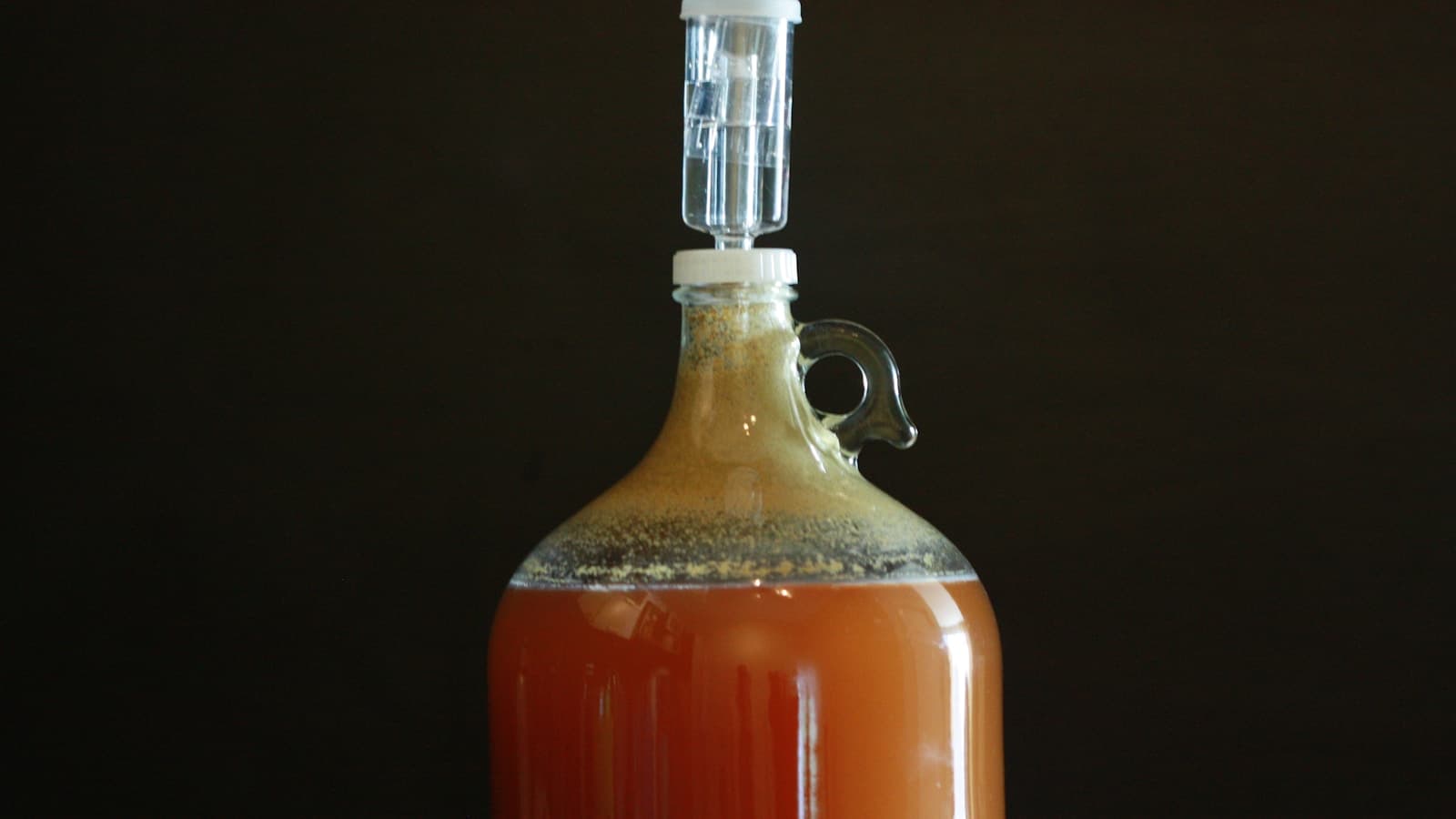
Federal law caps home brewing at 100 gallons a year per adult, or 200 gallons per household with two or more adults, no license required - plenty of room for a beginner working through a five-gallon batch every few weekends. The equipment is where the real budget decision sits: a basic starter kit runs $100 to $300, while a serious all-grain setup with its own kettle, mash tun, and fermenter climbs to $300 to $1,000 or more.
These key factors affect home brewing equipment affordability
Starter kit versus all-grain setup
Extract brewing is the cheap way in: a kit with a fermenting bucket, airlock, siphon, and sanitizer runs $100 to $300 and gets a five-gallon batch going on a regular stovetop. All-grain brewing swaps the pre-made malt extract for raw grain you mash yourself, which usually means a mash tun, a bigger kettle, and sometimes a dedicated propane burner - that jump alone pushes the total to $300 to $1,000 or more before a single hop gets bought.
Ingredient costs per batch
Malt, hops, and yeast for a standard five-gallon batch run $30 to $60 and yield close to two cases of beer, which is where the per-bottle math starts to beat retail craft beer once the equipment's paid for. That math only holds if the batch actually turns out drinkable; an infection or a bad temperature swing means that $30 to $60 goes down the drain with nothing to show for it.
Upgrades that add real cost
A temperature-controlled fermentation chamber ($150 to $400) fixes the single most common cause of off flavors and failed batches, so it's usually the first serious upgrade people make after the starter kit. Kegging instead of bottling runs $150 to $300 in equipment but saves real time for anyone brewing regularly, and a grain mill for all-grain brewing adds another $100 to $200 on top of that.
Space and utility needs
A stovetop handles a five-gallon batch fine, but going bigger or moving to all-grain often means adding a propane burner and better ventilation, especially in a kitchen that wasn't built with brewing in mind. There's also a legal line worth knowing: that 100-gallon (or 200-gallon household) yearly cap is for personal use only, and selling even a single bottle puts you under the same licensing requirements as a commercial brewery.
How to use your results
- Budget separately for ingredients per batch, since these are an ongoing cost on top of the one-time equipment purchase.
- Start with extract brewing equipment before upgrading to all-grain, since the gear investment jumps significantly at that step.
- Include a fermentation temperature controller if you plan to brew year-round, since temperature swings are a common cause of failed batches.
- Recheck your total if you're considering kegging, since that add-on can cost as much as the original starter kit.
Ways to increase how much home brewing equipment you can afford
- Start with a basic extract starter kit instead of jumping straight to an all-grain setup, which typically costs half as much.
- Stick with bottling instead of kegging initially, saving $150 to $300 upfront.
- Buy a kit that reuses your existing stovetop instead of a dedicated propane burner setup.
- Look for bundled starter kits that include ingredients for the first batch, which are often better value than buying components separately.
More tech & hobbies calculators
Peer comparison data
Bureau of Labor Statistics (median income by age), Experian (credit score by age)
Used by the “how you compare” figures in the sidebar, not by the costs on this page.
Every figure on this site, with its source and the date it was last verified
How you compare
Income
Credit score
Nothing added yet - add something to see your risk.