Want the occasional useful email?
New calculators, updated cost data, and the occasional money-saving guide. No account needed, and you can leave any time.
By Alex Diaz · How we calculate this
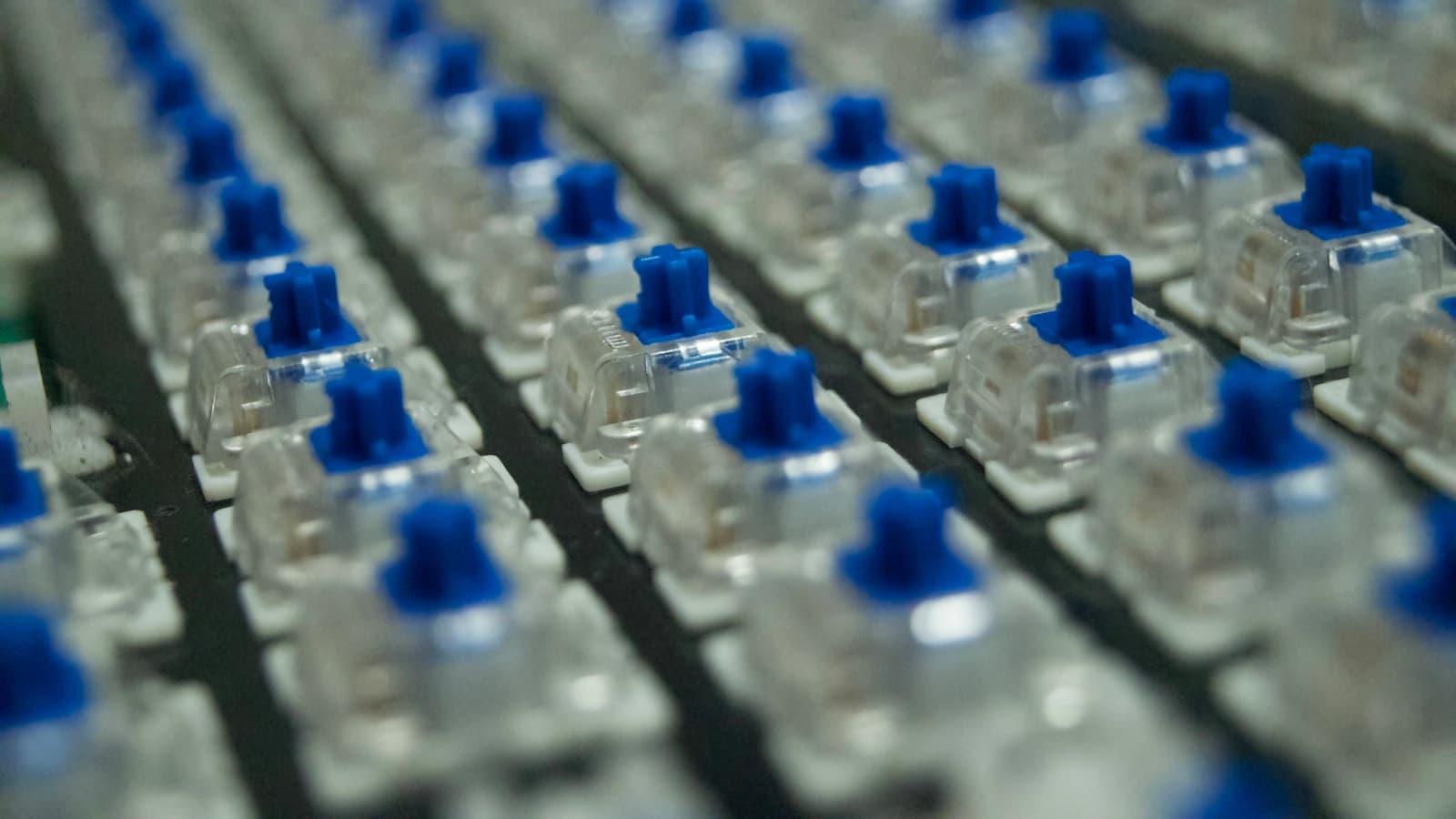
Building your own board usually means four separate purchases - case, switches, keycaps, and stabilizers - and even middle-of-the-road picks in each category land the total between $300 and $600 before you've touched a screwdriver. Hot-swappable PCBs have made the hobby a lot more forgiving, since you can try different switches without a soldering iron, but that convenience carries its own markup over a fixed-switch board. It's a one-time cost, so it's worth measuring against a few months of spending room rather than a single paycheck.
These key factors affect custom mechanical keyboard affordability
How the parts add up
A case or barebones kit alone can run anywhere from $30 to well over $150, and that's before switches, a keycap set, and stabilizers get added on top. Aluminum cases can more than double what a plastic one costs, and a set of hand-cast artisan keycaps can add another $100 or more by itself. Add it all up and a build that looked like a $150 keyboard on the case listing often finishes closer to $400.
Sound-tuning and assembly extras
Lubing switches, adding foam or films, and taping the plate to chase a deeper, thockier sound typically adds $20 to $60 in supplies on top of the parts themselves. None of it is optional if you're chasing a specific sound, and it eats a weekend of hand assembly too. At some point you're not really paying for a keyboard anymore - you're paying for the tinkering.
Group buys and preorder timing
Some of the best-regarded keycap sets and cases never sit on a shelf. They sell through group buys where you pay months before anything ships, and waits of six to twelve months aren't unusual; if a run gets delayed or the vendor folds, refunds aren't guaranteed. Hot-swappable PCBs ease the sting a little, since you can type on stock switches while you wait for the ones you actually wanted.
How to use your results
- If the total pushes your risk score into a caution zone, price out a barebones kit with stock switches first and add premium keycaps later once you know you'll use the board daily.
- Compare the cost against how many hours a day you actually type, since a board used for eight hours of daily work justifies a higher spend than one used occasionally for gaming.
- Check whether your current keyboard is genuinely uncomfortable or broken versus simply less exciting than what you've seen online before committing the full budget.
Ways to make a custom mechanical keyboard more affordable
- Start with a barebones kit and inexpensive switches, then upgrade keycaps and switches individually once you've confirmed the layout and size you actually like.
- Buy used boards and switch sets from hobbyist marketplaces like r/mechmarket, where lightly used parts often sell for 30 to 50 percent below retail.
- Wait for interest-check and group-buy discount pricing instead of paying full retail on a vendor's in-stock restock, which is usually marked up.
- Skip artisan keycaps and hand-wired cables at first since they add cosmetic cost without changing how the board types or feels.
More tech & hobbies calculators
Peer comparison data
Bureau of Labor Statistics (median income by age), Experian (credit score by age)
Used by the “how you compare” figures in the sidebar, not by the costs on this page.
Every figure on this site, with its source and the date it was last verified
How you compare
Income
Credit score
Nothing added yet - add something to see your risk.