Want the occasional useful email?
New calculators, updated cost data, and the occasional money-saving guide. No account needed, and you can leave any time.
By Alex Diaz · How we calculate this
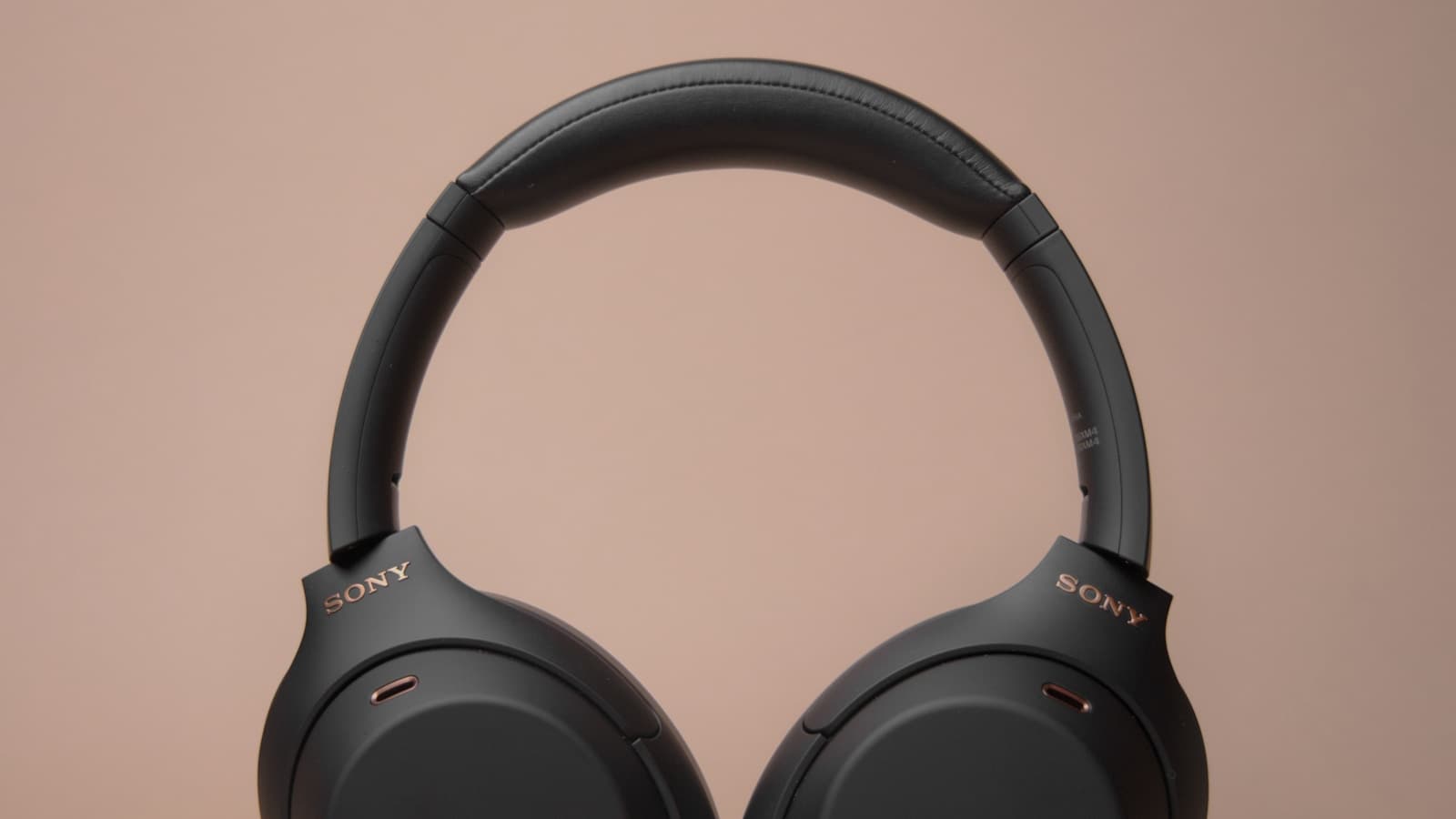
Active noise cancellation is real-time signal processing, not just padded ear cups, which is why it adds so much to the price over a passive pair. Flagship ANC models like the Sony WH-1000XM5 or Bose QuietComfort Ultra run $350 to $550, while headphones that rely on cushions alone to block sound cost a fraction of that. Even the good ones wear out - cushions need replacing every year or two at $20 to $40 a pair, and that's before the battery starts to go.
These key factors affect headphone affordability
Noise cancellation quality and drivers
Cheap ANC in the $50 to $100 range leans on a basic chip that's decent at killing a steady drone, an airplane engine or an air conditioner, but noticeably worse at cutting sudden noise or voices. The processors and larger drivers inside something like the WH-1000XM5 or QuietComfort Ultra cancel a wider band of frequencies and still sound full at low volume, which matters if you tend to listen quietly around other people.
Ecosystem and codec compatibility
Buy AirPods Max on an Android phone and you lose the spatial audio and automatic device switching that make them worth the price to an iPhone owner in the first place. High-res codecs like LDAC and aptX HD have the same catch: they only do anything if your phone actually supports them, so check that before paying extra for sound quality your hardware can't unlock.
Replacement parts and battery degradation
Over-ear ANC still beats in-ear ANC for pure noise blocking, since a sealed cup around the ear gives the cancellation circuitry more to work with than a small eartip ever can. The parts wear out either way. Cushions go after a year or two of daily use, $20 to $40 to replace, and the battery loses real capacity after roughly 500 charge cycles, so a pair worn daily for a commute is often noticeably shorter-lived by year three.
How to use your results
- If your risk score is low, a premium ANC pair is a reasonable purchase, especially if you'll use it daily for commuting or travel.
- If it's high, a mid-range pair around $100 to $150 still delivers solid noise cancellation without the flagship price tag.
- Check that your phone supports the higher-end codecs before paying a premium for audio quality you may not be able to access.
- Factor in replacement ear cushions if you plan to wear them daily, since that's a real recurring cost on top of the purchase.
Ways to make headphones more affordable
- Buy the previous generation once a new model launches, since prices on the outgoing version often drop 25 to 30 percent.
- Watch for major sales events, when premium ANC headphones frequently see their steepest year-round discounts.
- Consider open-box or manufacturer-refurbished units, which usually include a warranty at a meaningfully lower price.
- Skip spatial audio or multi-device features you won't use and put that savings toward better ANC and driver quality instead.
More tech & hobbies calculators
Peer comparison data
Bureau of Labor Statistics (median income by age), Experian (credit score by age)
Used by the “how you compare” figures in the sidebar, not by the costs on this page.
Every figure on this site, with its source and the date it was last verified
How you compare
Income
Credit score
Nothing added yet - add something to see your risk.