≈ $300,000 down
Estimated total
$8,985/mo
Want the occasional useful email?
New calculators, updated cost data, and the occasional money-saving guide. No account needed, and you can leave any time.
By Alex Diaz · How we calculate this
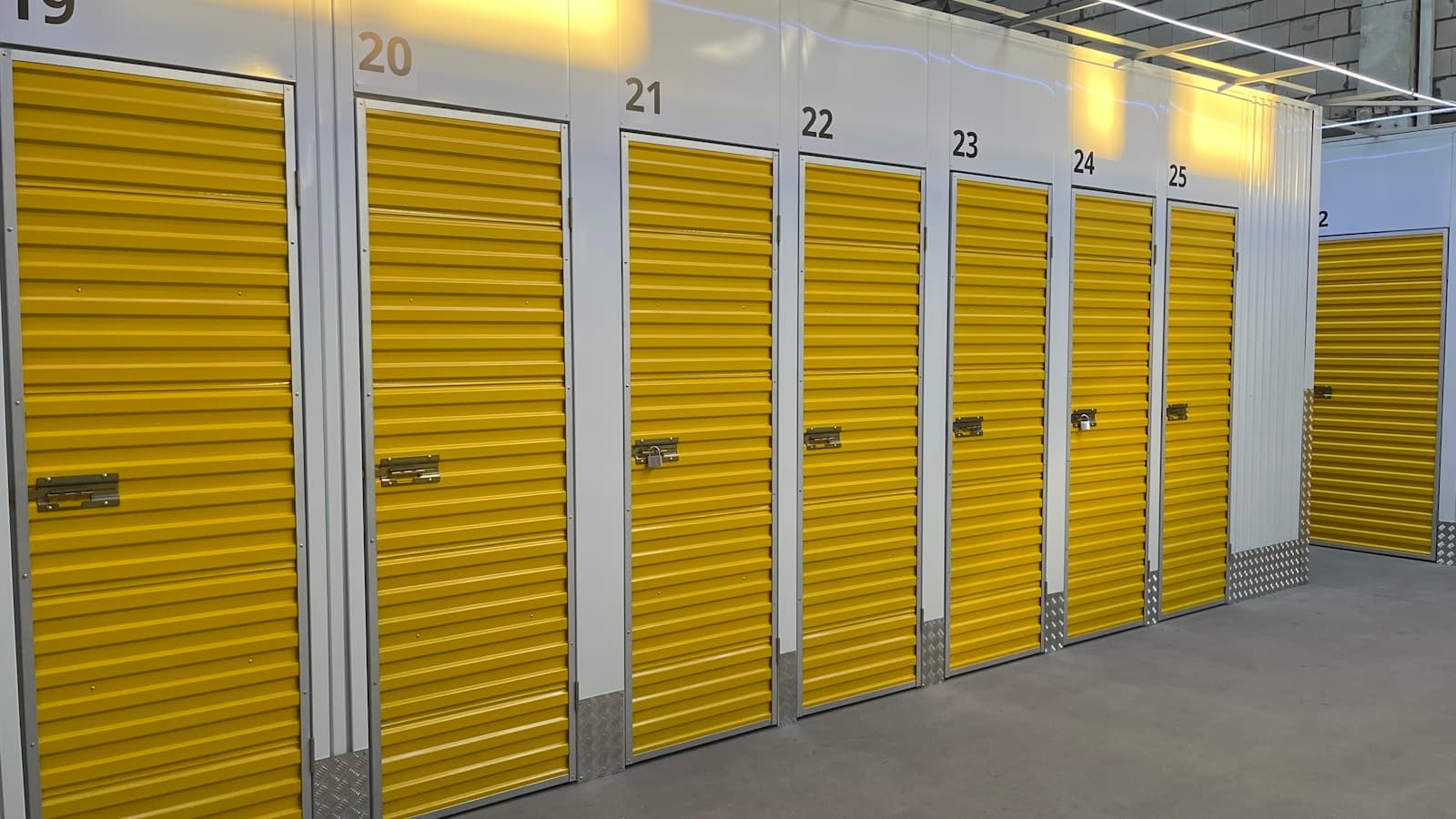
Building a self-storage facility from scratch typically runs $25 to $45 a square foot depending on climate control and site work, while buying an already-leased facility usually prices out higher per square foot but skips the eighteen-to-thirty-six-month climb to stable occupancy that new construction requires. Lenders underwrite these deals to a stabilized occupancy of 85% to 90%, and that number, more than the purchase price itself, is what decides whether the deal actually works.
These key factors affect self-storage facility affordability
Occupancy rate and lease-up timeline
Occupancy drives returns in this business more than almost anything else on the balance sheet. A newly built facility can take a year and a half to three years to climb from empty to the 85% to 90% stabilized level lenders expect, and the mortgage payment doesn't wait around for that ramp-up to finish. Buy a facility that's already stabilized and you inherit that occupancy on day one - a big reason stabilized properties command a premium over new construction.
Operating expenses as a share of revenue
Property taxes, insurance, management, security, and routine upkeep eat roughly 30% to 40% of gross revenue at a typical facility. That's a lighter load than most commercial real estate carries, but underwriting off the rent roll instead of net operating income is still one of the most common ways a buyer talks themselves into a deal that can't actually cover its own mortgage.
Local competition and unit mix
Storage demand barely travels; a new facility three miles away can quietly soften occupancy in a way competition across town never would. Climate-controlled units rent for a real premium over standard drive-up space, but building or converting to climate control costs more too, so the unit mix on offer has to match what renters in that specific market are actually willing to pay for.
How to use your results
- Weigh the monthly loan payment against net operating income (rental revenue minus operating expenses), not gross rental income, since the gap between the two is large in this business.
- If you're buying a facility still in lease-up, make sure you have enough reserve to cover the loan payment during the months it runs below stabilized occupancy.
- Use the loan term options to see how a 15-year versus 25-year amortization changes the monthly payment your net operating income needs to clear.
Ways to make a self-storage facility more affordable
- Buy a facility that's already stabilized at 85%+ occupancy rather than one in lease-up, to avoid carrying the loan payment through a slow ramp-up period.
- Increase the down payment to lower the loan-to-value ratio, which often also unlocks a better interest rate from commercial lenders.
- Negotiate a longer amortization period (25 years instead of 15) to reduce the monthly payment, even if it means more interest paid over time.
- Look for a facility with a favorable unit mix already in place, since converting standard units to climate-controlled after purchase adds significant upfront cost.
More career & life changes calculators
Sources
U.S. Small Business Administration (typical small-business loan rate)
Starting points to compare against, not real-time quotes.
Peer comparison data
Bureau of Labor Statistics (median income by age), Experian (credit score by age)
Used by the “how you compare” figures in the sidebar, not by the costs on this page.
Every figure on this site, with its source and the date it was last verified
How you compare
Income
Credit score
Nothing added yet - add something to see your risk.