Want the occasional useful email?
New calculators, updated cost data, and the occasional money-saving guide. No account needed, and you can leave any time.
By Alex Diaz · How we calculate this
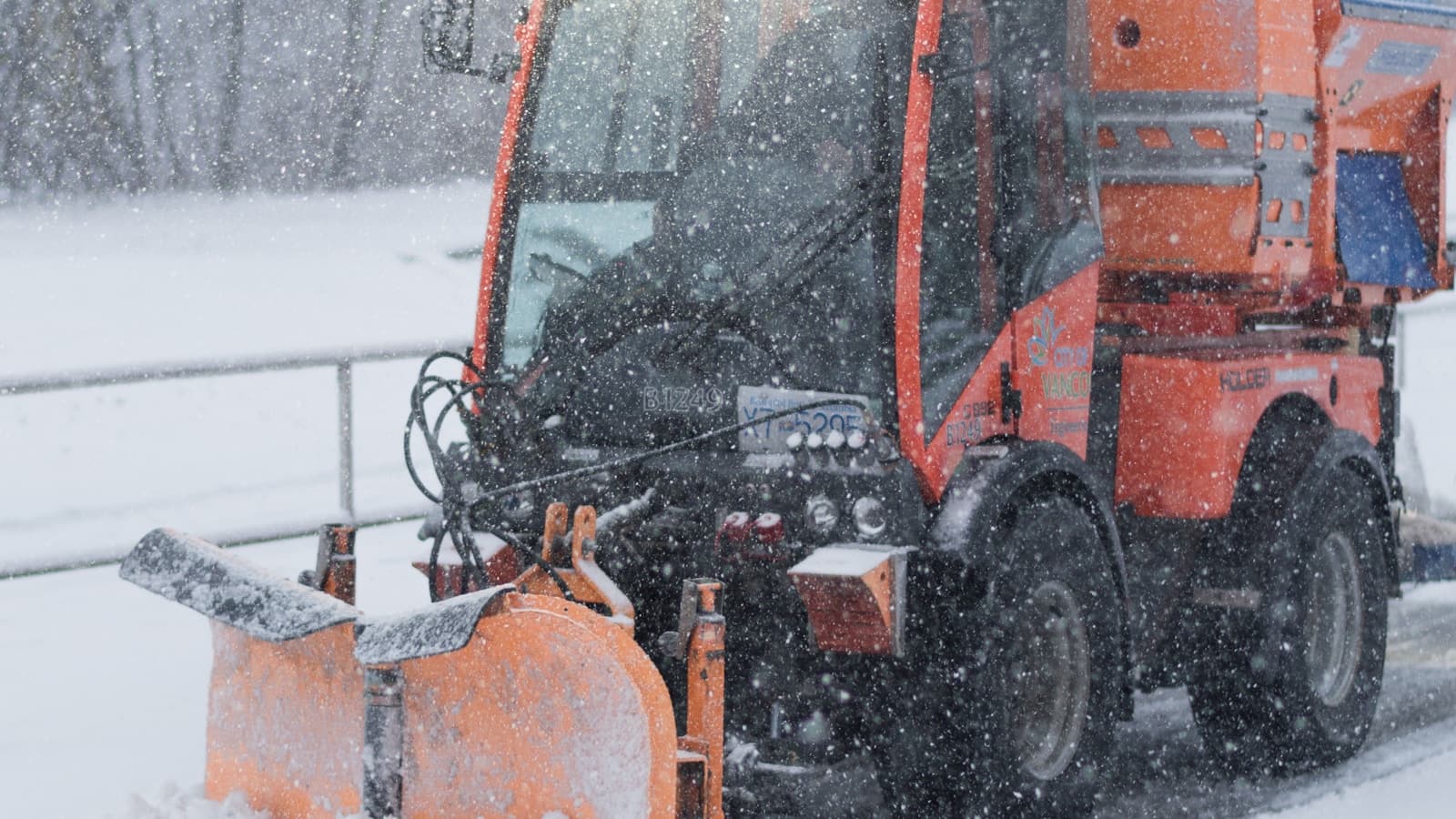
Snow plowing is one of the few businesses where the weather itself sets the year's revenue - a mild winter with light snowfall can gut an otherwise solid season no matter how many driveways you've lined up in advance. The plow and truck setup is treated here as a one-time purchase rather than something financed, so this measures what you enter against roughly three months of your budget instead of a single month's paycheck.
These key factors affect snow plow business affordability
Equipment and vehicle costs
A used plow blade alone runs $3,000 to $6,000. A heavy-duty pickup already fitted with one can go for $15,000 to $40,000 used, and a salt or ice-melt spreader tacks on another $1,500 to $4,000 beyond that. The $8,000 default really only pencils out if you're starting from a truck you already own and just need the attachment and spreader.
Insurance and licensing
A plow truck costs more to insure commercially than the same truck insured for personal use, and liability coverage for property damage - a cracked driveway edge, a dinged fence, a mailbox that didn't survive the season - runs roughly $500 to $1,500 a year for a solo operator. Local business license fees are a smaller add-on but worth checking before the first snowfall.
Seasonal and weather-dependent income
Snowfall totals swing unpredictably from one winter to the next, but the truck payment, insurance, and equipment storage costs keep coming whether it snows or not. A plow business needs cash set aside to get through an unusually light season, not just enough to buy the equipment in the first place.
How to use your results
- If the risk bar shows red, consider starting with a used truck and a single plow blade instead of a full package, or line up a few contracts before buying additional equipment.
- A low risk score still assumes a normal winter - budget for at least one lighter-than-average snow season when the equipment cost is a bigger share of your income.
- Compare the total equipment cost against your emergency fund rather than just your monthly paycheck, since this is a lump-sum purchase made before the business earns anything.
Ways to make a snow plow business more affordable
- Buy a used plow attachment and pair it with a truck you already own instead of purchasing a dedicated plow truck.
- Start with residential driveway contracts, which require less equipment than commercial lots, and reinvest early season earnings into upgrades.
- Look into equipment financing or a small business line of credit for the plow and spreader rather than paying the full amount upfront.
- Line up a handful of signed seasonal contracts before buying equipment so you know the income is there to support the purchase.
More career & life changes calculators
Peer comparison data
Bureau of Labor Statistics (median income by age), Experian (credit score by age)
Used by the “how you compare” figures in the sidebar, not by the costs on this page.
Every figure on this site, with its source and the date it was last verified
How you compare
Income
Credit score
Nothing added yet - add something to see your risk.