≈ $13,500 down
Estimated total
$1,437/mo
Want the occasional useful email?
New calculators, updated cost data, and the occasional money-saving guide. No account needed, and you can leave any time.
By Alex Diaz · How we calculate this
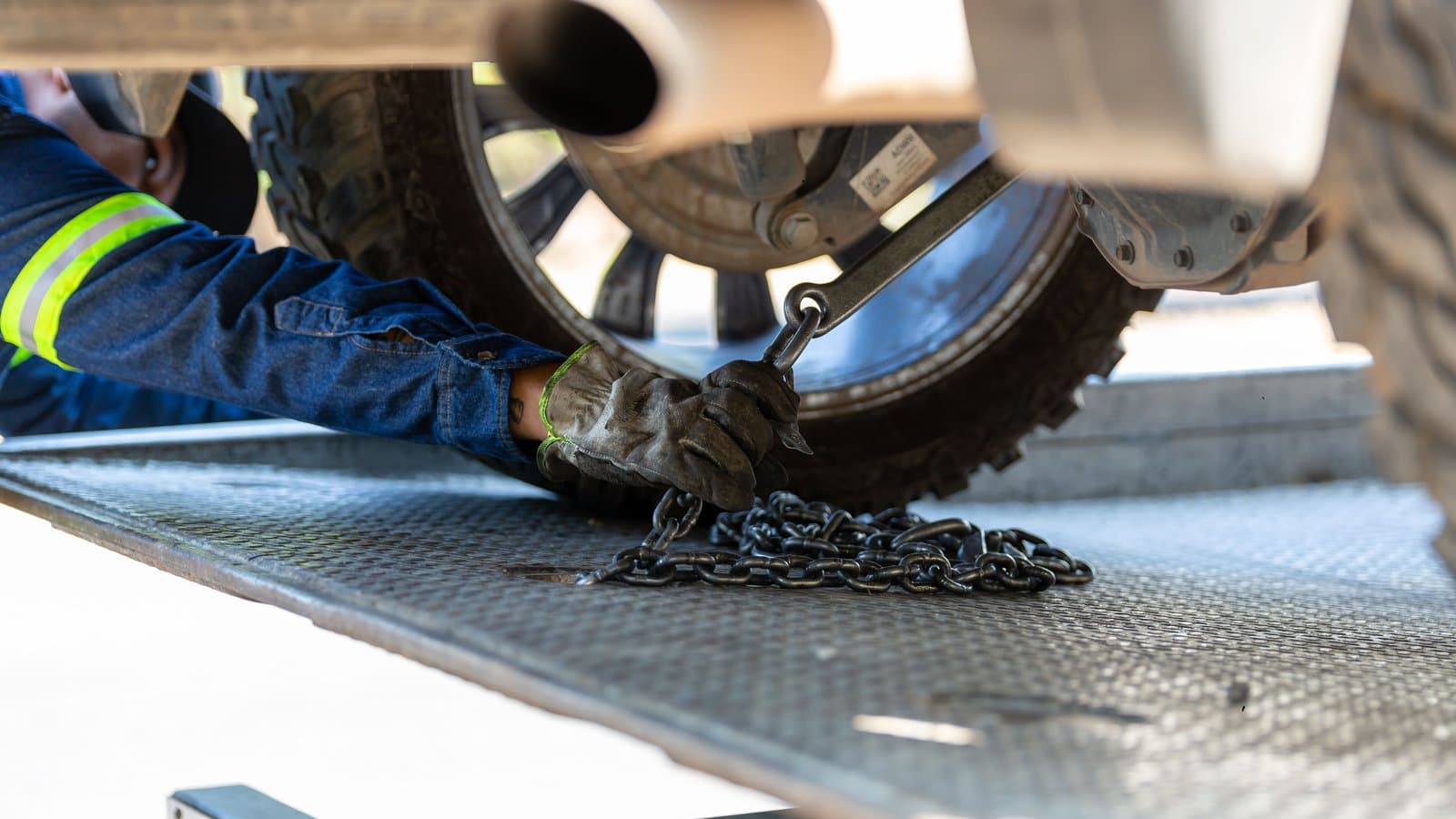
Landing a spot on a city's tow rotation list, an insurance company's dispatch panel, or a AAA contract is where the real money is in this business, and getting on those lists usually means passing a background check and proving your equipment meets their minimum standards first. A tow truck is almost always financed, so this turns the purchase price, down payment, rate, and term you enter into a monthly payment and checks it against your income.
These key factors affect tow truck business affordability
Truck cost and equipment
Cost splits pretty cleanly by class: a used wheel-lift truck for cars and light trucks can be found well under the $90,000 default, while a flatbed capable of hauling anything from a sedan to a pickup runs $40,000 to $120,000 depending on capacity and age. That default assumes a mid-duty flatbed financed at 15% down over six years at 9% - step up to a heavy-duty rotator built for semis and buses and the number climbs considerably from there.
Licensing, permits, and insurance
Towing and operator licensing requirements differ by state and sometimes by city, and running anything heavier usually means a commercial driver's license plus a motor carrier permit for the business itself. The bigger cost surprise tends to be insurance: garage keepers liability and commercial auto coverage written for towing operations run well above a standard commercial auto policy, because the moment a stranger's car is hooked to your hitch, you're legally responsible for it.
Contract and on-call income
Municipal rotation lists, insurance dispatch programs, and AAA contracts are where steady towing income actually comes from, but approval takes time - background checks, equipment inspections, sometimes a waiting list. Impound lot storage fees, charged daily to owners retrieving their vehicles, are a real secondary revenue stream too, though running one means you also need somewhere to legally store the cars. Expect early months to lean more on private calls than on contract dispatch work.
How to use your results
- Weigh the risk score against income from private calls alone before assuming rotation contract income right away
- Add commercial auto and garage keepers liability insurance costs on top of the loan payment when checking affordability
- Factor in CDL requirements and permit costs if you plan to operate a heavier-duty truck
Ways to increase how much tow truck business you can afford
- Start with a lighter-duty wrecker instead of a heavy flatbed to lower the purchase price
- Increase your down payment above 15% to shrink the loan balance and reduce monthly risk
- Apply to insurance company and local rotation lists early, since approval can take months
- Compare equipment financing lenders that specialize in commercial vehicles, since rates can vary more than standard auto loans
More career & life changes calculators
Sources
U.S. Small Business Administration (typical small-business loan rate)
Starting points to compare against, not real-time quotes.
Peer comparison data
Bureau of Labor Statistics (median income by age), Experian (credit score by age)
Used by the “how you compare” figures in the sidebar, not by the costs on this page.
Every figure on this site, with its source and the date it was last verified
How you compare
Income
Credit score
Nothing added yet - add something to see your risk.