Want the occasional useful email?
New calculators, updated cost data, and the occasional money-saving guide. No account needed, and you can leave any time.
By Alex Diaz · How we calculate this
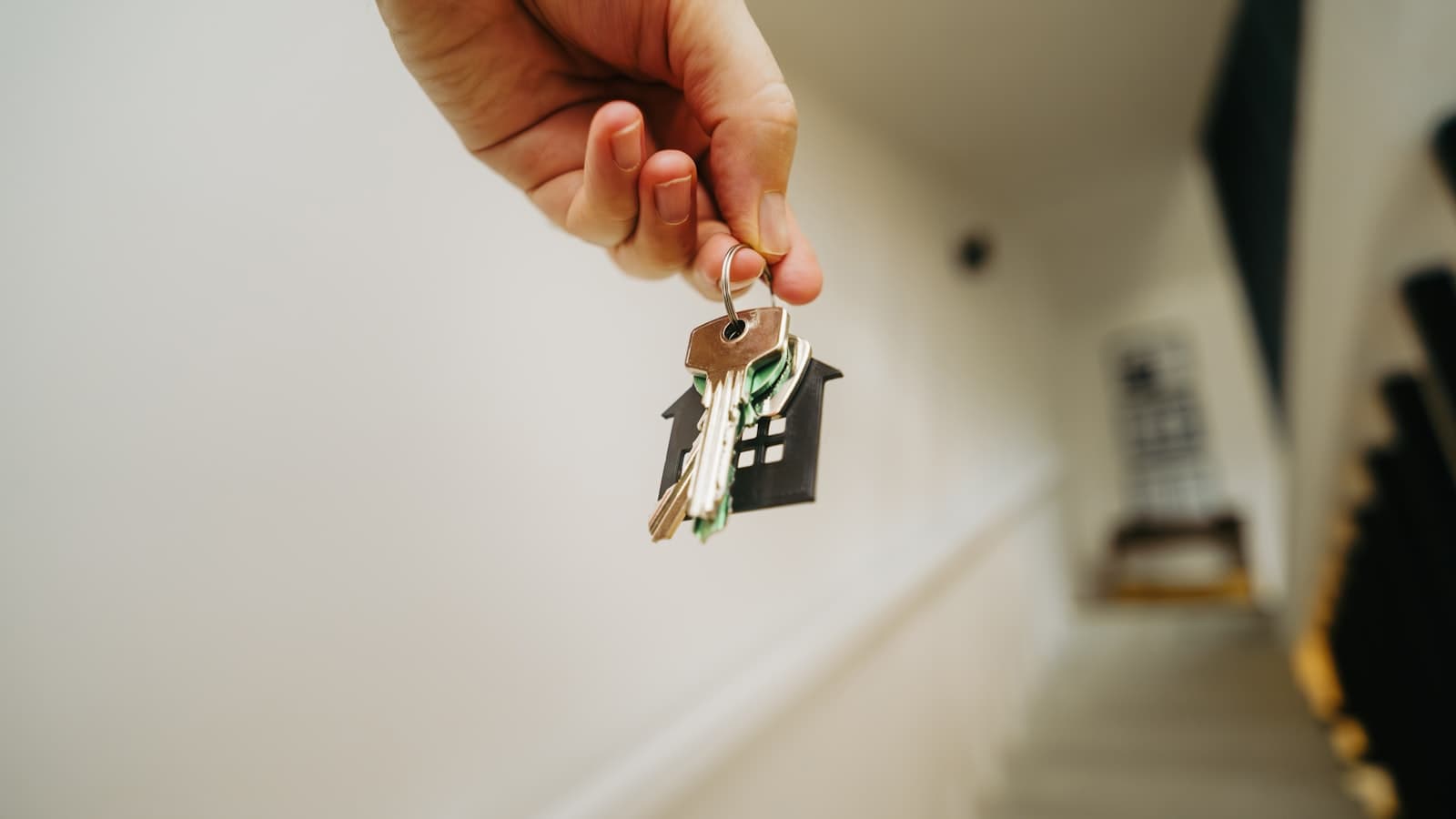
A conventional mortgage can require as little as 3% down and FHA loans go as low as 3.5%, but anything below 20% typically means paying private mortgage insurance until you build enough equity. Because a down payment is a one-time cost rather than a recurring bill, this calculator weighs the total amount against roughly three months of your budget - treating it as a savings goal to plan for, not a monthly commitment.
These key factors affect down payment affordability
Income and expenses
Saving for a down payment is really a test of what's left over after your regular bills and any debt you're carrying, not just whether you can hit a round number. That fuller picture is what gets weighed here, rather than the down payment amount by itself.
How much you actually need
Conventional loans can go as low as 3% down, FHA loans 3.5%, and VA or USDA loans as low as 0% for eligible buyers. Putting down less than 20% on a conventional loan typically means paying private mortgage insurance (PMI) - but that's not permanent. Once your equity crosses that 20% mark, you can usually ask your servicer to cancel PMI rather than waiting for it to drop off automatically at 78% loan-to-value.
Cash reserves after closing
It's tempting to put every available dollar toward the down payment, but that leaves nothing for closing costs, the move itself, or the repair that always seems to turn up in the first few months. Lenders think about this too - many want to see some reserves left over after closing, not just enough to cover the down payment on paper.
Down payment assistance
Many states and some employers offer down payment assistance programs or grants. Eligibility is often broader than people assume - many programs define a first-time buyer as anyone who hasn't owned a home in the past three years, not someone who has literally never owned one. Worth checking what's available before assuming you have to save the full amount alone.
How to use your results
- Compare a 20% down payment against a smaller one plus the ongoing cost of mortgage insurance.
- Include your existing debt for a realistic picture of how much you can set aside each month.
Ways to save for a down payment faster
- Automate a monthly transfer into a dedicated savings account so the goal doesn't compete with everyday spending.
- Research down payment assistance programs in your state before assuming you need to save the full amount.
- Pay down high-interest debt first if it's competing directly with your savings rate.
- Consider a lower down payment with mortgage insurance if waiting to save 20% means missing your window.
More housing calculators
Peer comparison data
Bureau of Labor Statistics (median income by age), Experian (credit score by age)
Used by the “how you compare” figures in the sidebar, not by the costs on this page.
Every figure on this site, with its source and the date it was last verified
How you compare
Income
Credit score
Nothing added yet - add something to see your risk.