≈ $125,000 down
Ongoing housing costs
Estimated total
$2,579/mo
Want the occasional useful email?
New calculators, updated cost data, and the occasional money-saving guide. No account needed, and you can leave any time.
By Alex Diaz · How we calculate this
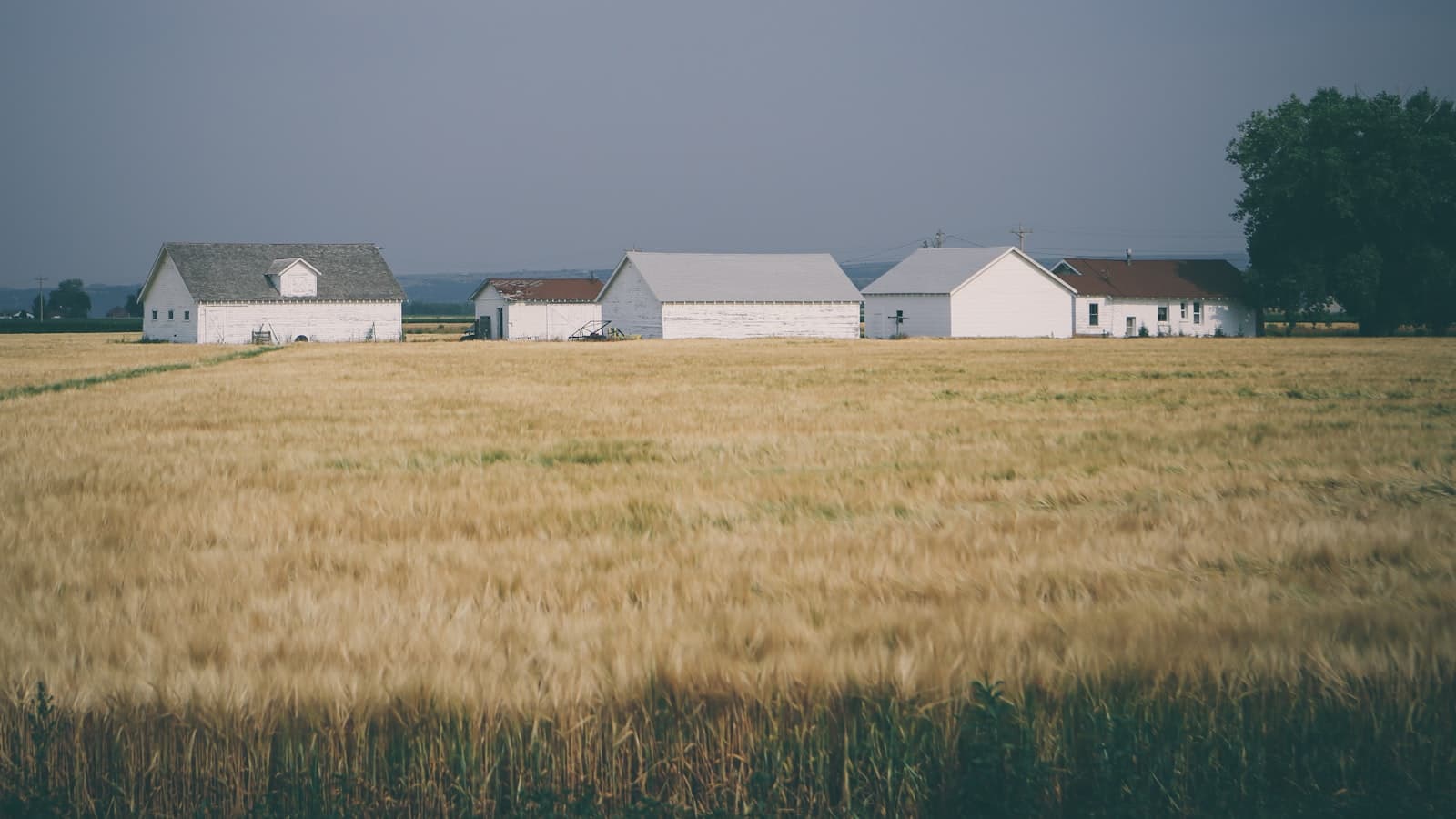
Farm and agricultural land rarely gets financed like a house. Farm Credit System institutions, cooperative lenders chartered specifically to serve agriculture, handle a large share of these loans instead of a typical residential mortgage lender, and they usually want more down before they'll fund the deal. Enter the farm's price, down payment, interest rate, and loan term below, and this calculator turns that into a monthly payment weighed against your income.
These key factors affect farm affordability
Income and expenses
A farm payment competes with everything else in your budget the same way any other loan would, so this calculator weighs it against your income and whatever other debt you've logged rather than looking at the payment in isolation.
Credit score
Farm Credit System lenders and other agricultural specialty lenders underwrite differently than a bank writing a residential mortgage, often putting real weight on the land's income potential rather than a credit score alone. That doesn't make credit irrelevant, though: a lower score still shows up in the rate and terms you're offered, and it can be the difference between qualifying through a specialty lender on your own versus needing a co-signer or a bigger check upfront.
Farmland vs. improvements
The purchase price on a working farm is rarely just land. A house, barns, grain storage, irrigation equipment, and fencing might all be bundled into one number, and it's worth pricing those pieces apart from each other, since bare land, structures, and a residence each get financed under different rules and sometimes by different lenders entirely.
Income potential
If crops, livestock, or a land lease are supposed to help cover the payment, treat that projection skeptically at first. Farm income swings with weather and commodity prices in a way a salary never does, so it's worth building the estimate around a conservative, below-average year and seeing if the payment still holds up, rather than assuming the best year you can imagine.
Down payment and loan term
Agricultural loans commonly ask for a larger down payment than a residential mortgage, and terms can run shorter too, both of which push the monthly payment higher than the price tag alone would suggest. Beginning farmers have another path worth checking: the USDA Farm Service Agency's Down Payment Farm Ownership Loan program lets an eligible buyer put down as little as 5%, with the FSA financing a portion of the purchase at a reduced rate and a commercial or FSA-guaranteed loan covering the rest.
How to use your results
Try adjusting the inputs to see what actually moves your risk score:
- Down payment - agricultural loans often require more down than a standard mortgage.
- Expected income - be conservative if the farm is meant to generate revenue.
- Existing debt - add what you're already carrying for a more realistic picture.
Ways to increase how much farm you can afford
- Pay down existing debt before applying for agricultural financing.
- Shop lenders that specialize in farm and agricultural loans, since terms vary from standard mortgages.
- Save for a larger down payment, since agricultural loans often require more than a home loan.
- Get a realistic estimate of income potential rather than assuming best-case yields or rents.
More housing calculators
Peer comparison data
Bureau of Labor Statistics (median income by age), Experian (credit score by age)
Used by the “how you compare” figures in the sidebar, not by the costs on this page.
Every figure on this site, with its source and the date it was last verified
How you compare
Income
Credit score
Nothing added yet - add something to see your risk.