Want the occasional useful email?
New calculators, updated cost data, and the occasional money-saving guide. No account needed, and you can leave any time.
By Alex Diaz · How we calculate this
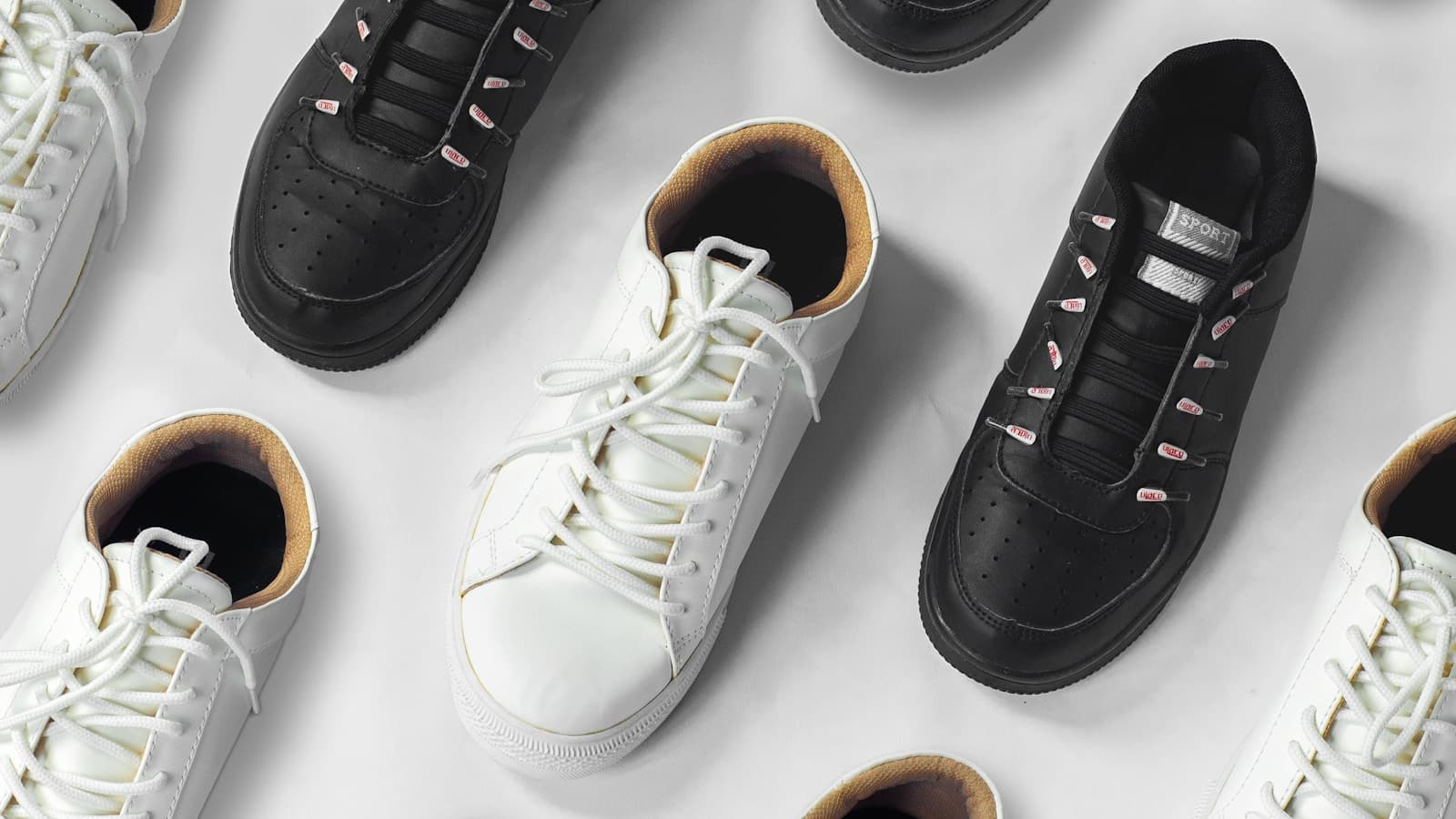
The resale market is really what defines pricing in this category. A hyped release, especially a collaboration tied to a known designer or artist, routinely resells for two to five times its original retail price on platforms like StockX or GOAT, sometimes within hours of dropping. Because designer sneakers are a one-time purchase, the estimate weighs the price you enter against roughly three months of your budget rather than a single month's income.
These key factors affect designer sneaker affordability
Brand and collaboration tier
A standard designer sneaker from an established fashion house runs $400 to $900 at retail. Limited releases and high-profile collaborations are a different market entirely, sometimes commanding $1,000 to $5,000 or more on resale, well above whatever the original tag said.
Retail versus resale market pricing
Hyped pairs often sell out at retail within minutes, sometimes through a raffle or early-access list rather than a straightforward purchase, then reappear almost immediately on resale platforms at a markup. A pair that's never been worn, listed as deadstock, sells for meaningfully more than an identical pair with any wear at all, which matters if you're buying with resale in mind rather than just to wear.
Authentication and resale fees
Buying through a resale marketplace typically adds authentication and processing fees of 5% to 15% on top of the listed price, the cost of the platform physically inspecting each pair before it ships. That inspection step exists because designer sneakers, like most heavily hyped fashion items, are a common counterfeit target, so the fee is effectively buying certainty that what arrives is genuine.
Care and longevity
Keeping a pair in resale-ready condition takes more than just not wearing them, specialized cleaning products, proper storage away from sunlight and humidity, and even the original box all affect what a pair is worth later. It's an ongoing cost and a bit of effort that only matters if resale value is part of why you bought them in the first place.
How to use your results
- Check both retail and resale pricing before buying, since a hyped release can cost multiples of its original retail price on the secondary market.
- Add authentication and processing fees to your total if buying through a resale marketplace.
- Recheck your total if you're chasing a specific limited colorway, since that segment of the market moves and prices quickly.
- Consider whether you want retail availability or resale-market pricing, since these can be very different budgets for the same shoe.
Ways to increase how much designer sneakers you can afford
- Buy standard retail releases instead of limited collaborations, avoiding the resale markup entirely.
- Sign up for brand release raffles or early-access lists instead of relying on the resale market for hyped drops.
- Buy prior-season colorways instead of the newest release, which are often discounted 30% to 50% once demand cools.
- Buy directly from the brand or authorized retailer instead of resale platforms to skip authentication and processing fees.
More lifestyle & luxury calculators
Peer comparison data
Bureau of Labor Statistics (median income by age), Experian (credit score by age)
Used by the “how you compare” figures in the sidebar, not by the costs on this page.
Every figure on this site, with its source and the date it was last verified
How you compare
Income
Credit score
Nothing added yet - add something to see your risk.