Want the occasional useful email?
New calculators, updated cost data, and the occasional money-saving guide. No account needed, and you can leave any time.
By Alex Diaz · How we calculate this
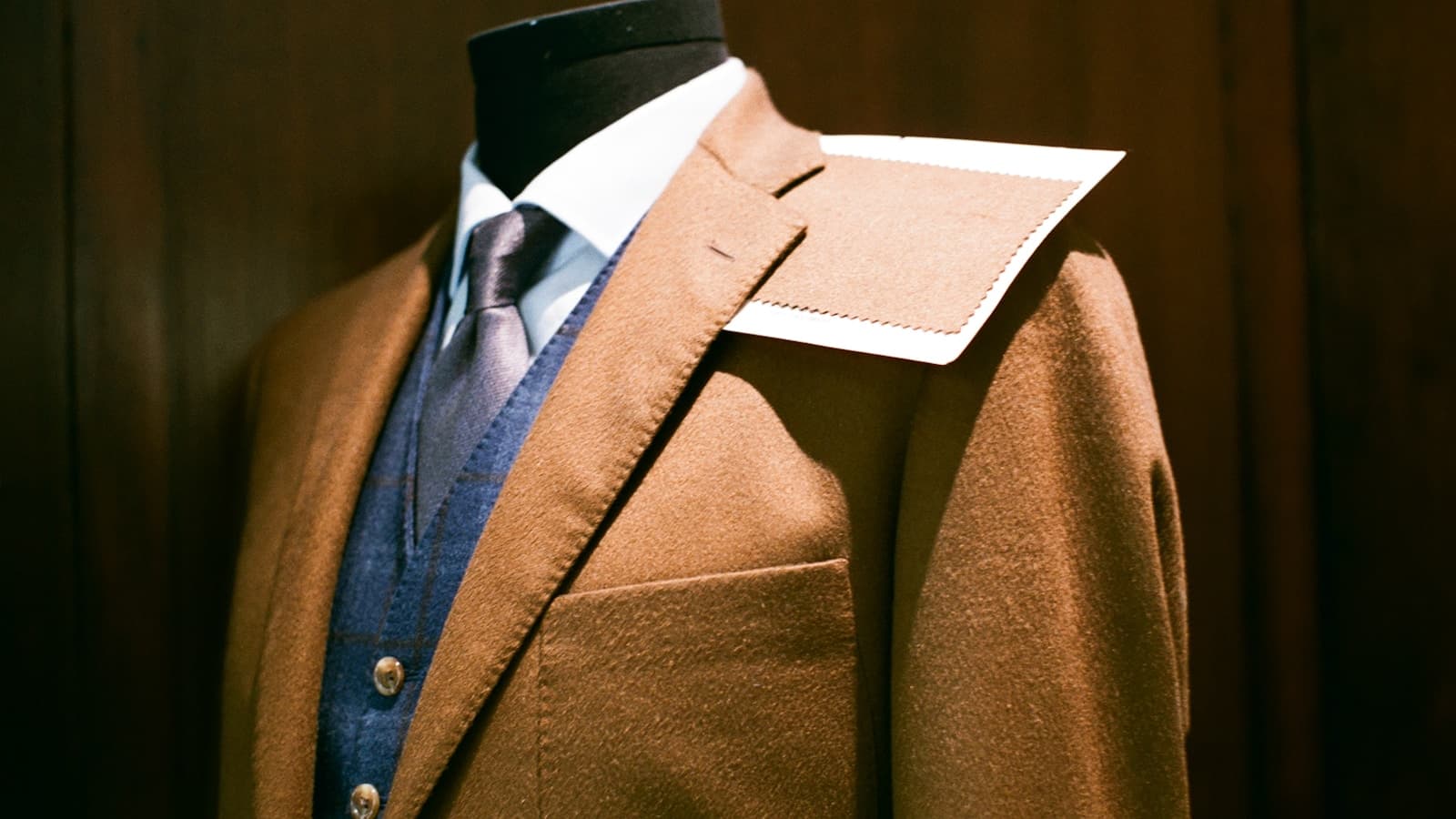
There's a real difference between bespoke and made-to-measure, and it's not just marketing. Bespoke means a pattern cut from scratch for your body, with at least two or three fittings along the way, and it runs $3,000 to $7,000 or more depending on the tailor and fabric. Made-to-measure starts from an existing block pattern that's adjusted to your measurements, which is faster and far cheaper, typically $800 to $2,000, and skips most of the fitting process bespoke requires.
These key factors affect bespoke suit affordability
Bespoke versus made-to-measure versus off-the-rack
Bespoke starts with a pattern drafted from your measurements alone, no existing block involved, and typically means two to four fittings before the finished suit is delivered - expect $3,000 to $7,000 or more. Made-to-measure takes a standard pattern and adjusts it to fit you, usually in a single fitting, and lands at $800 to $2,000. Off-the-rack tailoring, buying a suit in your closest stock size and having it taken in, is the fastest and cheapest route at $500 to $1,500, though it can't fully replicate a pattern built around your own proportions.
Fabric quality drives much of the price
Wool gets graded by fiber fineness, expressed as a Super number: Super 100s is a solid, durable everyday weight, while Super 150s and above uses finer fibers that drape better but wear less durably and cost considerably more. Stepping up from a mid-weight Super 100s to a Super 150s or a cashmere blend can add $500 to $1,500 to the price of the same suit, fabric alone.
Fitting process and turnaround
Expect two to four fittings spread over 6 to 12 weeks for a true bespoke suit, since each one refines the pattern before it's cut into the final cloth. Made-to-measure turnaround is usually much faster, often 3 to 6 weeks with just one fitting, since the starting pattern needs less correcting.
Alterations and care
A suit doesn't stay finished forever - your body changes, and a jacket that fit perfectly at delivery may need the waist or sleeves adjusted a year or two later. Professional pressing after repeated wear, plus periodic alterations, adds a small but recurring cost on top of the purchase price itself.
How to use your results
- Compare bespoke, made-to-measure, and off-the-rack tailoring, since the price gap between them is substantial for similar-looking results.
- Factor in fabric choice separately, since premium fabric can add over a thousand dollars to the base construction price.
- Account for the multi-fitting timeline, since bespoke suits aren't a same-day purchase.
- Recheck your total if you need the suit for a specific date, since rush fittings sometimes carry an added fee.
Ways to increase how much bespoke suit you can afford
- Choose made-to-measure instead of full bespoke, which delivers a comparable custom fit at a fraction of the price.
- Select a mid-weight wool instead of a premium high-thread-count fabric to keep the base price down.
- Order during a tailor's off-season, since many are busiest around wedding and holiday seasons, for better scheduling and sometimes pricing.
- Buy one well-made suit instead of multiple, and have it altered as needed rather than commissioning separate pieces.
More lifestyle & luxury calculators
Peer comparison data
Bureau of Labor Statistics (median income by age), Experian (credit score by age)
Used by the “how you compare” figures in the sidebar, not by the costs on this page.
Every figure on this site, with its source and the date it was last verified
How you compare
Income
Credit score
Nothing added yet - add something to see your risk.