Want the occasional useful email?
New calculators, updated cost data, and the occasional money-saving guide. No account needed, and you can leave any time.
By Alex Diaz · How we calculate this
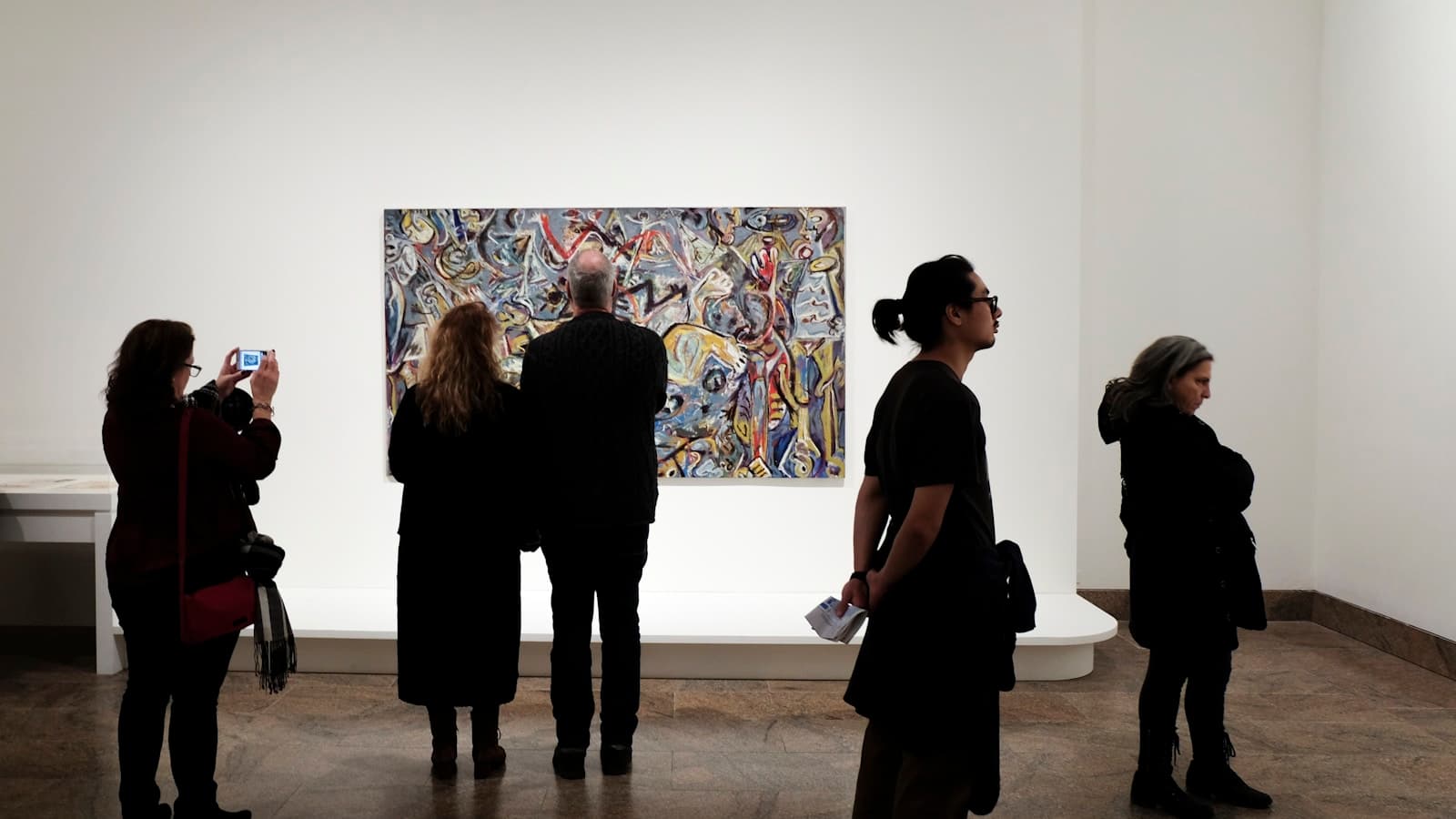
Price in the art world is set almost entirely by reputation and provenance, not materials or hours of labor, which is why two similarly sized paintings can be $500 apart or $500,000 apart depending on whose name is on the canvas and who owned it before you. However you buy it, budget for more than the sticker: an auction house like Christie's or Sotheby's tacks a buyer's premium of 20% to 26% onto the winning hammer price before you're done paying.
These key factors affect fine art affordability
Emerging vs. established artists
Work from an emerging or early-career artist typically sells for $200 to $2,000, and a mid-career artist with steady gallery representation moves into the $2,000 to $20,000 range. Blue-chip names, the handful of artists whose work collectors treat almost like a stable asset class, run into six or seven figures at auction, and that gap has almost nothing to do with how long a piece took to make. It's worth remembering that none of these tiers guarantee anything: art is illiquid, a piece can sit unsold for years even at a loss, and appreciation is never a sure thing no matter how a seller frames the purchase.
Buying venue affects price and fees
Buy from a gallery and roughly half the retail price is commission, split between the gallery and the artist. Buy at auction and Christie's or Sotheby's adds that 20% to 26% buyer's premium on top of the hammer price. Buy directly from an artist's studio and you skip both markups, but you also give up the resale channel a gallery or auction relationship provides if you ever want to sell.
Authentication, appraisal, and insurance
A formal appraisal runs $300 to $800 and does double duty: it supports what you can insure the piece for, and it's usually what a future buyer or auction house wants to see before taking a resale seriously. A fine art rider on a homeowners policy typically costs 1% to 2% of the appraised value per year, an ongoing cost that's easy to forget once the purchase itself is done.
Framing, conservation, and display
Museum-quality framing runs $300 to $1,500 depending on size and materials. Past the frame, protecting a piece's value means controlling light and humidity and occasionally paying for professional cleaning or conservation, none of which is optional if the art is meant to hold value rather than just hang on a wall.
How to use your results
- Get a written appraisal before finalizing your budget so the number you enter reflects real resale value, not just the asking price.
- Factor in buyer's premium if buying at auction, since that adds 20% to 26% on top of the hammer price you plan to bid.
- Include framing and insurance rider costs in your total if you're buying a piece meant to hang and be protected long-term.
- Recheck your estimate if you're buying from a gallery versus directly from an artist, since gallery prices include a built-in commission.
Ways to increase how much fine art you can afford
- Buy directly from emerging or early-career artists instead of established names to get comparable quality art at a fraction of the price.
- Consider limited-edition prints or works on paper instead of unique originals, which typically cost 50% to 80% less.
- Negotiate directly with galleries, since many will offer 10% to 15% off asking price for direct cash purchases.
- Buy at estate sales or secondary-market auctions rather than primary gallery releases, where pricing tends to run lower.
- Skip formal appraisal costs for lower-value pieces bought purely for enjoyment rather than investment.
More lifestyle & luxury calculators
Peer comparison data
Bureau of Labor Statistics (median income by age), Experian (credit score by age)
Used by the “how you compare” figures in the sidebar, not by the costs on this page.
Every figure on this site, with its source and the date it was last verified
How you compare
Income
Credit score
Nothing added yet - add something to see your risk.