Ongoing costs
Want the occasional useful email?
New calculators, updated cost data, and the occasional money-saving guide. No account needed, and you can leave any time.
By Alex Diaz · How we calculate this
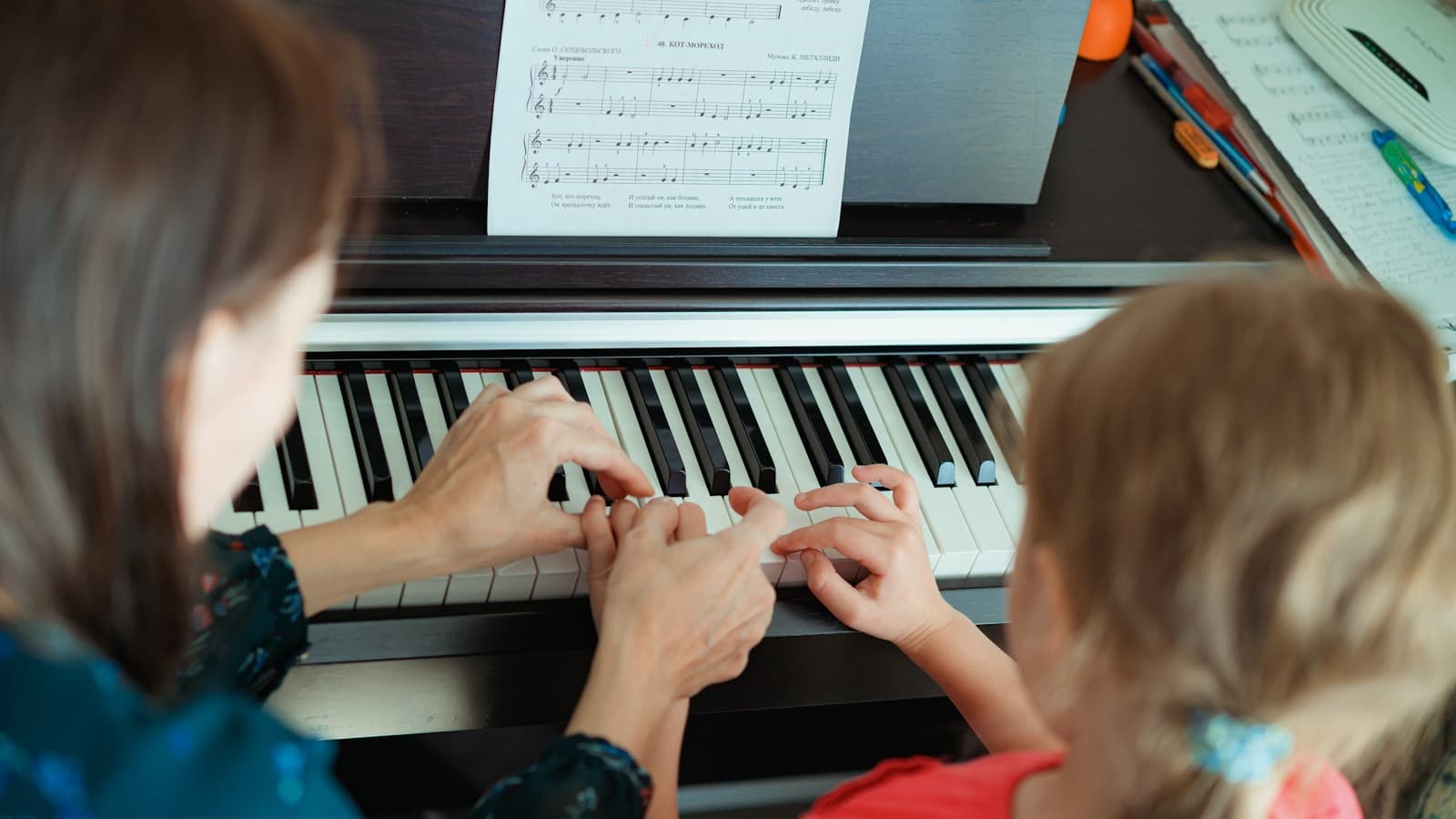
A half hour with a private teacher runs $40 to $80, and the credentials behind that price vary more than the number suggests - a conservatory-trained instructor with a performance degree charges well above a talented local hobbyist teaching out of a home studio. Weekly lessons mean four or five paid sessions a month, so whichever rate you pick compounds fast.
These key factors affect music lesson affordability
Lesson rate and frequency
Credentials move the price more than most people expect going in. A teacher with a conservatory background and a performance history might charge $70 to $90 for a half hour, while a skilled community musician teaching from home charges $30 to $50 for the same thirty minutes, and in the beginner years the instruction itself often isn't that different. Multiply either number by four or five sessions a month and the gap between teachers turns into a real monthly line item, not a rounding error.
Instrument ownership vs. rental
School band and orchestra programs almost always start kids on a rental instrument rather than asking parents to buy one outright, since nobody wants to sink hundreds of dollars into a clarinet before knowing if their kid sticks with it. Most of these are rent-to-own, so the payments slowly convert into ownership over a year or two - but add it all up and that route often costs more in total than just buying a decent used instrument from the start.
Group vs. one-on-one instruction
A group class splits the teacher's hourly rate across several students, so it routinely runs half the cost of private lessons or less. What gets traded away is pace: a private student gets material adjusted to exactly where they're stuck, while a group lesson moves at whatever speed keeps the whole room engaged, which drags for a fast learner and rushes anyone who's behind.
How to use your results
- Multiply the per-lesson rate by how many lessons happen per month, not per week, so the estimate reflects the real recurring bill.
- Include instrument rental or maintenance costs if you don't already own the instrument outright.
- Revisit the plan each semester, since many studios adjust rates or you may need to add practice materials as a student advances.
Ways to make music lessons more affordable
- Look into group classes or community music schools, which typically charge less per student than private instruction.
- Buy a quality used instrument instead of renting long-term, since rental costs often exceed the value of the instrument within a couple of years.
- Ask about package pricing, since many teachers discount lessons paid for a full month or semester up front.
- Check local school or community programs, which sometimes offer free or subsidized lessons for students who qualify.
More lifestyle & luxury calculators
Peer comparison data
Bureau of Labor Statistics (median income by age), Experian (credit score by age)
Used by the “how you compare” figures in the sidebar, not by the costs on this page.
Every figure on this site, with its source and the date it was last verified
How you compare
Income
Credit score
Nothing added yet - add something to see your risk.