Want the occasional useful email?
New calculators, updated cost data, and the occasional money-saving guide. No account needed, and you can leave any time.
By Alex Diaz · How we calculate this
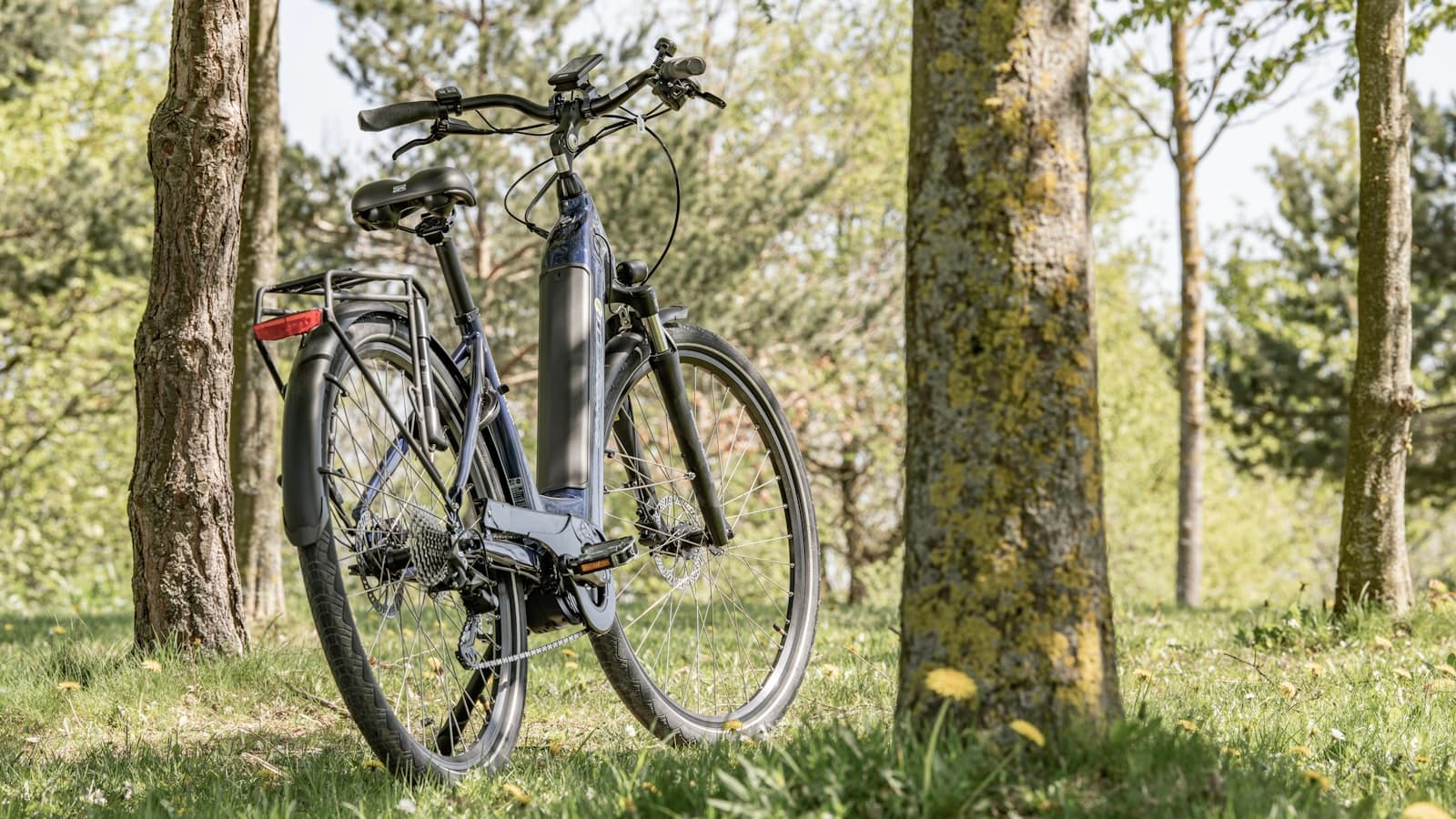
An e-bike's price tag hides a lot in the spec sheet. Battery capacity, motor power, and the reputation of the drive system do most of the work separating a $900 bike from a $4,000 one, even when two models look nearly identical standing side by side. Since it's a one-time purchase rather than a bill you'll see every month, this calculator sizes the price against roughly three months of your budget instead of a single paycheck.
These key factors affect e-bike affordability
Income and expenses
The price matters less on its own than what it does to the rest of your budget once rent, bills, and any debt are accounted for, so that's the number this calculator leans on.
How it's classified
Most e-bikes in the US fall into one of three classes: Class 1 and 2 top out at 20 mph, Class 3 at 28 mph, and the split between throttle and pedal-assist changes where you're actually allowed to ride one. Some cities keep Class 3 bikes off certain bike paths or add a minimum age or helmet requirement, so it's worth checking the local rule for the specific class before buying rather than after.
Battery and motor quality
Battery capacity and motor power are the two things that actually separate a budget e-bike from a premium one, and most of that difference is invisible standing next to the bike in a showroom. A replacement battery pack alone often runs $300 to $800, and most lithium-ion packs noticeably lose capacity somewhere around 500 to 1,000 charge cycles - roughly three to five years of regular riding - so it's a cost worth planning for down the line, not just at checkout.
Running it against a car
If it's replacing car trips rather than adding a new hobby on top of your commute, weigh the purchase against what those trips actually cost in gas, parking, and wear on your car over a year. Framed that way, a pricier e-bike can look like a reasonable trade rather than a splurge.
Accessories and maintenance
A helmet, a good lock, and lights add a real amount on top of the sticker price, and it's easy to leave them out when comparing two bikes' listed costs side by side. The battery is the part most likely to need replacing down the road, not the frame or motor, so it's more realistic to budget for that eventually than to treat the bike as a one-time expense forever.
How to use your results
- Include a helmet, lock, and lights in your total rather than just the bike's price.
- Compare models by battery range and motor quality, not just the sticker price.
Ways to increase how much e-bike you can afford
- Check whether your city or state offers e-bike rebates or incentives.
- Consider a lower-tier model with a smaller battery if your typical rides are short.
- Pay down existing debt first to free up more of your budget.
More vehicles calculators
Peer comparison data
Bureau of Labor Statistics (median income by age), Experian (credit score by age)
Used by the “how you compare” figures in the sidebar, not by the costs on this page.
Every figure on this site, with its source and the date it was last verified
How you compare
Income
Credit score
Nothing added yet - add something to see your risk.