≈ $5,000 down
Taxes & fees
Ongoing vehicle costs
Estimated total
$810/mo
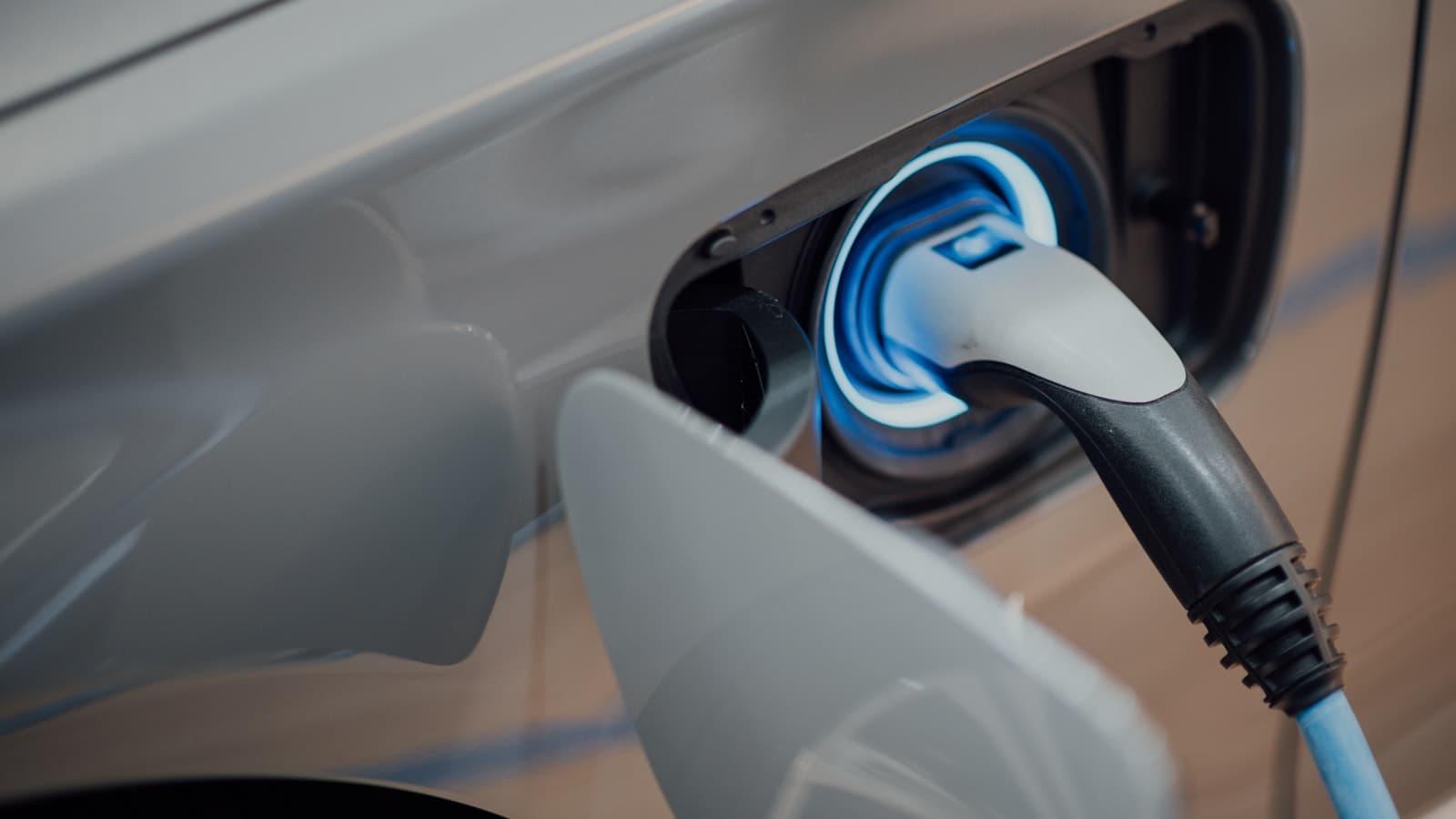
An EV typically carries a higher sticker price than a comparable gas car, though lower fueling and maintenance costs can close some of that gap the longer you own it. Your estimate factors in your household income, any existing monthly debt, and credit score, then combines that with the electric car's price, down payment, interest rate, and loan term you enter to work out a monthly payment - weighed against your income to gauge how risky the purchase would be.
These key factors affect electric car affordability
Income and expenses
An electric car payment competes with everything else in your budget, so it's weighed against your income and any other debt you've logged rather than judged on its own.
Credit score
Auto loan rates vary by credit tier the same way they do for any car purchase - a lower score typically means a higher rate for the exact same vehicle, and that's baked into your risk score here just as it would be for a gas-powered loan.
Tax credits and incentives
The federal tax credit that used to take up to $7,500 off a new EV, or $4,000 off a used one, ended for vehicles acquired after September 30, 2025, so it's no longer something to count on for most purchases today. Some states, cities, and utilities still run their own EV rebates or reduced registration fees. Coverage and amounts vary a lot by location and change often, so it's worth checking what's actually still active near you rather than assuming a credit that no longer exists at the federal level.
Charging vs. fuel costs
Charging at home is typically the cheapest way to fuel an EV per mile, though that advantage shrinks on public fast chargers, which often carry a premium for the convenience. Estimate what you'll actually pay based on where you'll really charge - a home outlet, a workplace charger, or mostly public stations - rather than defaulting to the best-case number people quote online.
Battery warranty and resale value
Automakers are required to warranty an EV's battery for at least 8 years or 100,000 miles, whichever comes first, which covers most of a typical loan term. Resale value is the bigger wildcard: EVs have generally depreciated faster than comparable gas cars in the used market, partly because range and charging technology keep improving year over year and make older models feel dated sooner. Worth keeping that in mind when deciding how much to finance.
Down payment and loan term
A larger down payment shrinks both the loan and the payment. A longer term lowers the monthly cost but adds more total interest over the life of the loan.
How to use your results
Try adjusting the inputs to see what actually moves your risk score:
- Down payment - see how putting more down lowers the loan and the payment.
- Loan term - compare a shorter term's higher payment against a longer term's lower one.
- Existing debt - add what you're already carrying for a more realistic picture.
- Incentives - subtract any tax credit or rebate you'd realistically qualify for from the price.
Ways to increase how much electric car you can afford
- Confirm which tax credits or rebates you qualify for before finalizing the price you're financing.
- Pay down existing debt before taking on a new car payment.
- Shop your loan - credit unions and banks often beat dealer financing.
- Consider a certified used electric vehicle, which can come with a lower price and, in some cases, its own incentive.
More vehicles calculators
Sources
Bureau of Labor Statistics (median income by age, shown in the sidebar), Experian (credit score by age, shown in the sidebar), Bankrate (average auto loan rate), Tax Foundation / Avalara (state vehicle sales tax rates), Policygenius (national average vehicle sales tax), CarEdge (average dealer documentation fee), GeoNames (ZIP code/city lookup) - starting points to compare against, not real-time quotes.
Nothing added yet - add something to see your risk.