Want the occasional useful email?
New calculators, updated cost data, and the occasional money-saving guide. No account needed, and you can leave any time.
By Alex Diaz · How we calculate this
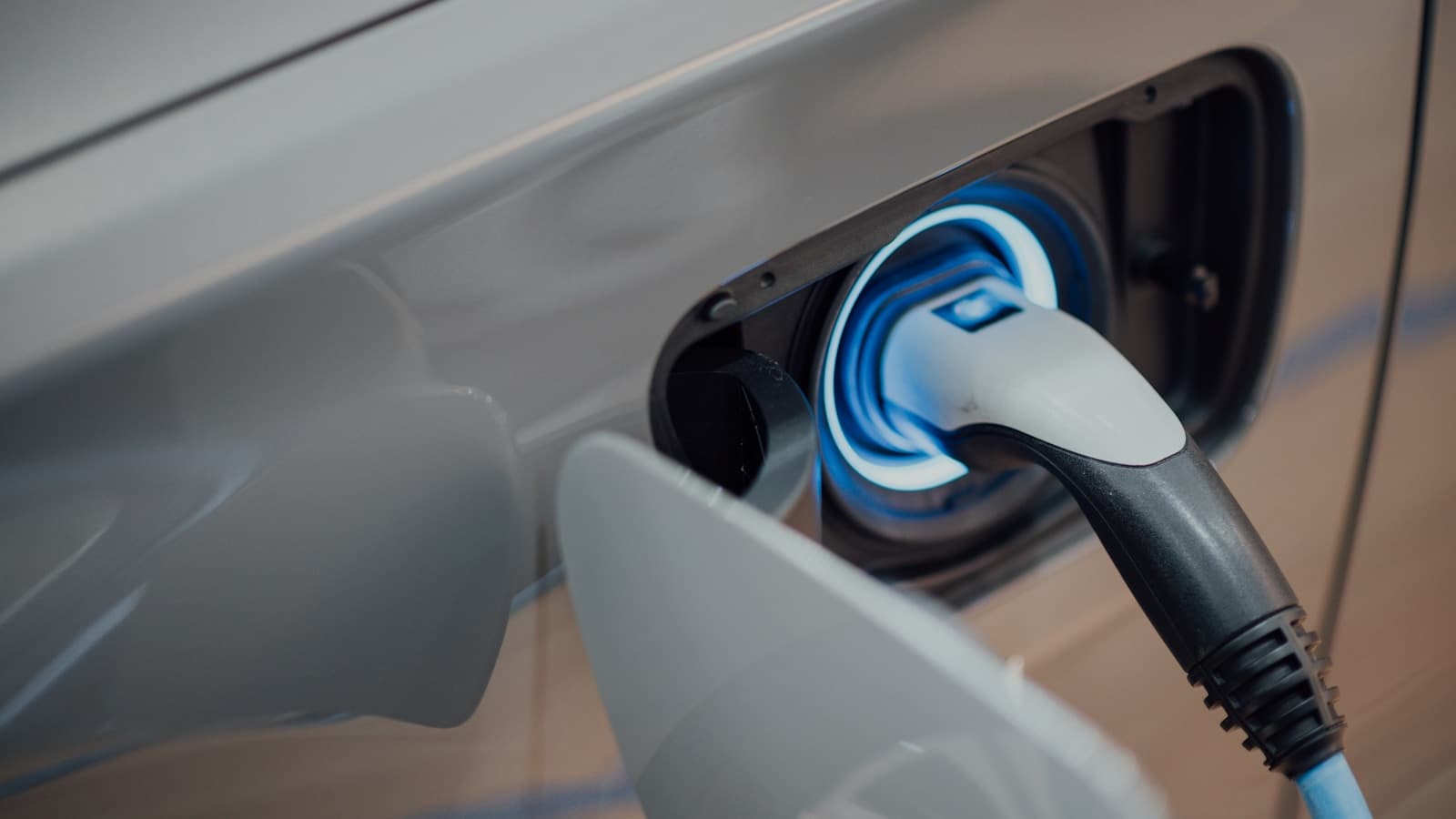
Public fast-charging pricing isn't the same everywhere, and that's partly regulatory: some states don't let anyone but a licensed utility sell electricity by the kilowatt-hour, so networks like Electrify America and EVgo bill drivers there by the minute instead. A subscription mostly pays off if you charge in public often enough for the discount to outweigh the monthly fee - if you can charge at home overnight, it usually doesn't.
These key factors affect EV charging subscription affordability
Network subscription savings
EVgo, ChargePoint, and Electrify America each run their own membership tier, usually $4 to $25 a month, that knocks roughly 20 to 30 percent off the pay-as-you-go public charging rate. Whether a per-kWh or per-minute rate applies depends on the state, since some utilities regulate who can sell power by the kilowatt-hour. Occasional public chargers often lose money on the monthly fee before the discount catches up.
Home charging is almost always cheaper
A Level 2 charger plugged in overnight, billed at ordinary residential rates, beats the per-mile cost of even a discounted subscription in most cases. That turns a public-charging plan into something you mainly need for travel days and road trips rather than daily driving, unless home charging simply isn't an option where you live.
Networks don't share memberships
Tesla's Supercharger network, EVgo, ChargePoint, and Electrify America don't share billing or membership tiers with each other. A driver who splits charging between two or three of them because of where they live or travel can end up paying for overlapping plans without noticing. It's worth checking which network actually has stations along your regular routes before picking one to subscribe to.
How to use your results
- Estimate how often you actually charge in public and compare the subscription's discounted rate against pay-as-you-go pricing.
- If you have reliable home charging, weigh whether the subscription is worth it just for occasional road trips.
- Check which networks are actually available along your regular routes before committing to a specific provider's plan.
Ways to make an EV charging subscription more affordable
- Charge at home overnight whenever possible, since residential electricity rates are typically far cheaper than any public network's discounted subscription rate.
- Compare pay-per-use pricing against the subscription cost based on your actual monthly charging habits before signing up.
- Check for automaker-bundled charging credits, since many EVs come with a set amount of free fast-charging before you need a separate plan.
- Downgrade or pause the subscription during months you're relying mainly on home charging and not traveling.
More vehicles calculators
Peer comparison data
Bureau of Labor Statistics (median income by age), Experian (credit score by age)
Used by the “how you compare” figures in the sidebar, not by the costs on this page.
Every figure on this site, with its source and the date it was last verified
How you compare
Income
Credit score
Nothing added yet - add something to see your risk.