Want the occasional useful email?
New calculators, updated cost data, and the occasional money-saving guide. No account needed, and you can leave any time.
By Alex Diaz · How we calculate this
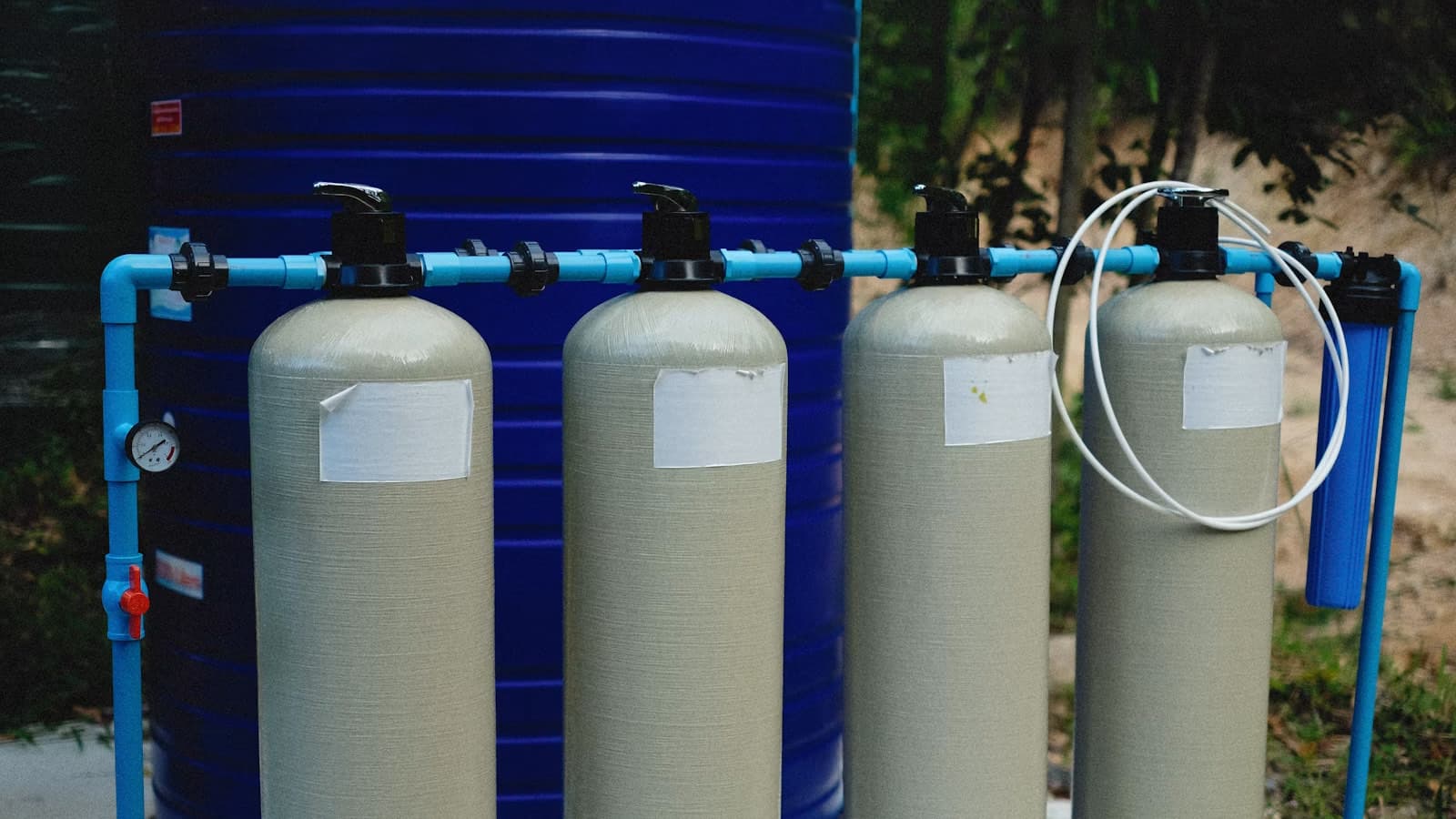
A basic salt-based softener is the least expensive way to get genuinely soft water, since it actually removes calcium and magnesium through ion exchange rather than just managing them. A salt-free conditioner costs more and works differently: it treats those minerals so they're less likely to form scale, rather than removing them, which is worth knowing before assuming the two options deliver the same result. Because it's a one-time cost rather than a recurring bill, this calculator weighs the total price against roughly three months of your budget rather than a single month's income.
These key factors affect water softener costs
Income and expenses
Because a water softener is a one-time purchase rather than a monthly bill, this score sizes the total cost against roughly three months of your budget instead of a single paycheck. What's actually left over after your existing bills and debt matters more than the price tag by itself, since that's what determines how much of a stretch the purchase really is.
System type and household size
A basic salt-based softener costs less than a salt-free conditioner or a whole-home filtration combo system, and within salt-based systems, price scales with the grain capacity you need, which depends on household size and how hard your water actually is. An undersized unit regenerates constantly and wears out faster, while an oversized one wastes salt and water, so getting the sizing right matters just as much as picking the system type.
Ongoing costs
Salt-based systems need periodic bags of salt and occasional resin bed replacement every several years as the resin loses its capacity to exchange minerals. A demand-initiated softener, one that regenerates based on actual water use rather than a fixed timer, typically uses less salt and water over its life than an older timer-based unit, which is worth factoring in if you're comparing long-term running costs rather than sticker price alone.
How to use your results
- Get your water tested for hardness before buying, so the system is sized correctly.
- Compare a salt-based system against a salt-free one, including ongoing costs.
Ways to make a water softener more affordable
- Get quotes from multiple installers, since pricing for the same system can vary.
- Choose a properly sized system for your household rather than oversizing.
- Consider a DIY-installable unit if you're comfortable with basic plumbing work.
More home improvement calculators
Peer comparison data
Bureau of Labor Statistics (median income by age), Experian (credit score by age)
Used by the “how you compare” figures in the sidebar, not by the costs on this page.
Every figure on this site, with its source and the date it was last verified
How you compare
Income
Credit score
Nothing added yet - add something to see your risk.