Want the occasional useful email?
New calculators, updated cost data, and the occasional money-saving guide. No account needed, and you can leave any time.
By Alex Diaz · How we calculate this
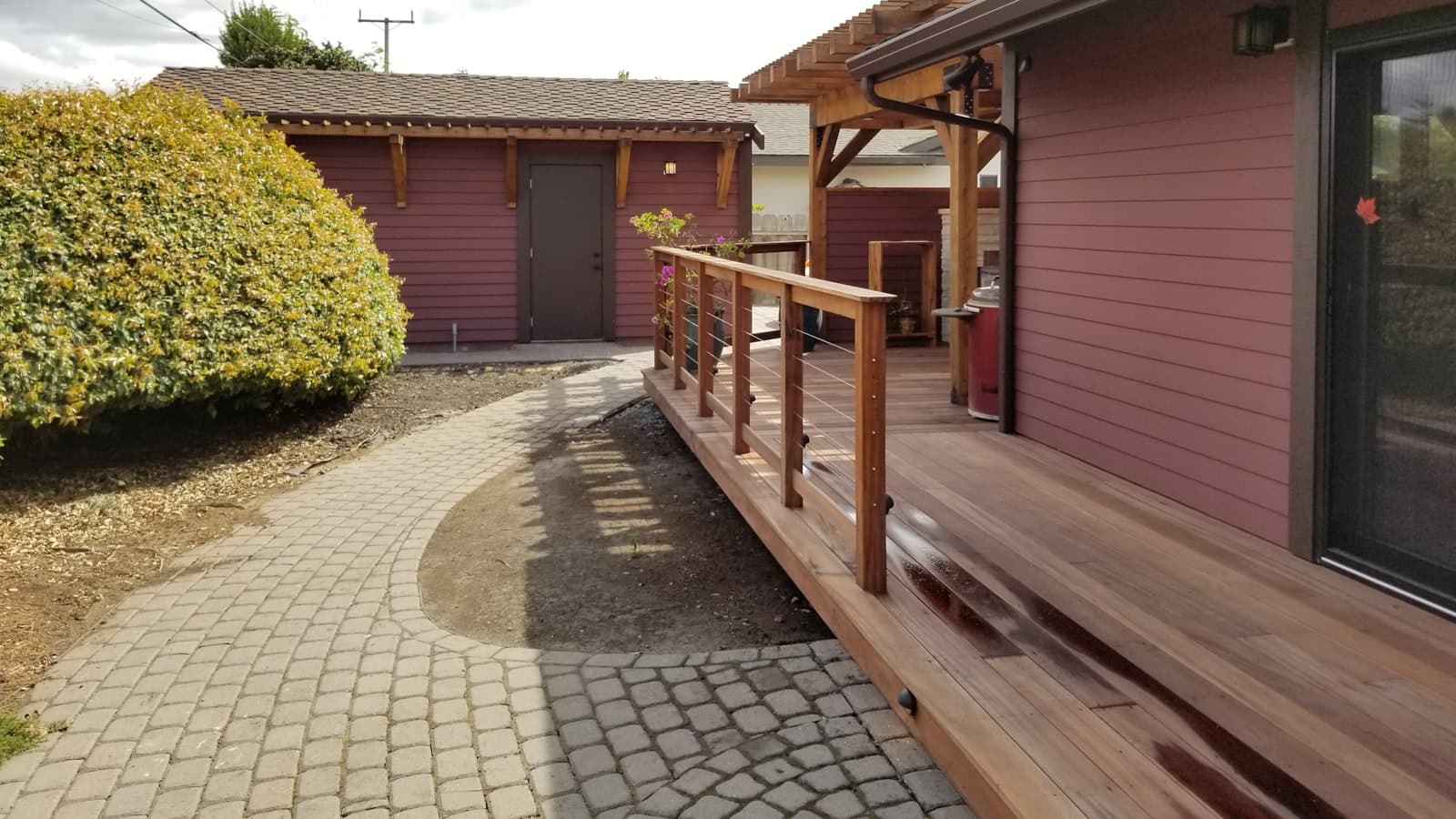
Most accessibility guidelines, including the ADA's, call for a minimum slope ratio of 1:12, meaning at least one foot of ramp for every inch the entryway rises off the ground. A modest 4-inch step needs at least 4 feet of ramp under that math, but a full flight of stairs with a 30-inch rise could call for 30 feet or more, which is usually the single biggest driver of total cost, more than the material chosen. Because it's a one-time cost rather than a recurring bill, this calculator weighs the total price against roughly three months of your budget rather than a single month's income.
These key factors affect wheelchair ramp costs
Income and expenses
Because a ramp is a one-time cost rather than a monthly bill, this score compares the total price to roughly three months of your budget instead of a single month's income. What's left after your regular bills and any debt you're carrying matters more here than the price tag by itself, since that gap is what determines how much of a stretch the purchase really is.
Material and permanence
A modular aluminum ramp is built from prefabricated sections that bolt or pin together, which means it can be rented, resold, or reconfigured later if your needs change, and it typically costs less than a permanent structure. A ramp built from wood or poured concrete costs more and takes longer to install, but it can be designed to match the house and hold up for years, which makes more sense if the need is long-term rather than temporary, say, after a surgery or a short recovery.
Length and slope requirements
The 1:12 ratio most guidelines recommend is a minimum, not necessarily a target. A gentler slope is easier to self-propel and safer in wet or icy conditions, but it also means more linear footage, more material, and a bigger footprint on the property, all of which push the price up together. A switchback or a landing partway up can shorten the footprint on a tight lot, though building one adds its own construction cost.
Assistance programs
Some nonprofits, local Area Agencies on Aging, and state Medicaid home- and community-based services waivers help cover ramp costs for qualifying households, and the VA offers home modification grants, including its Home Improvements and Structural Alterations program, for eligible veterans with a service-connected disability. It's worth checking eligibility before assuming the full cost falls on you.
How to use your results
- Measure the actual rise at your entryway before pricing the ramp, since it drives the length needed.
- Check for local, state, or veterans' assistance programs before assuming full out-of-pocket cost.
Ways to make a wheelchair ramp more affordable
- Consider a rented modular ramp if the need is temporary rather than a permanent installation.
- Check for nonprofit, veterans', or Medicaid assistance programs in your area.
- Get quotes from multiple installers, since pricing for the same scope can vary.
More home improvement calculators
Peer comparison data
Bureau of Labor Statistics (median income by age), Experian (credit score by age)
Used by the “how you compare” figures in the sidebar, not by the costs on this page.
Every figure on this site, with its source and the date it was last verified
How you compare
Income
Credit score
Nothing added yet - add something to see your risk.