Want the occasional useful email?
New calculators, updated cost data, and the occasional money-saving guide. No account needed, and you can leave any time.
By Alex Diaz · How we calculate this
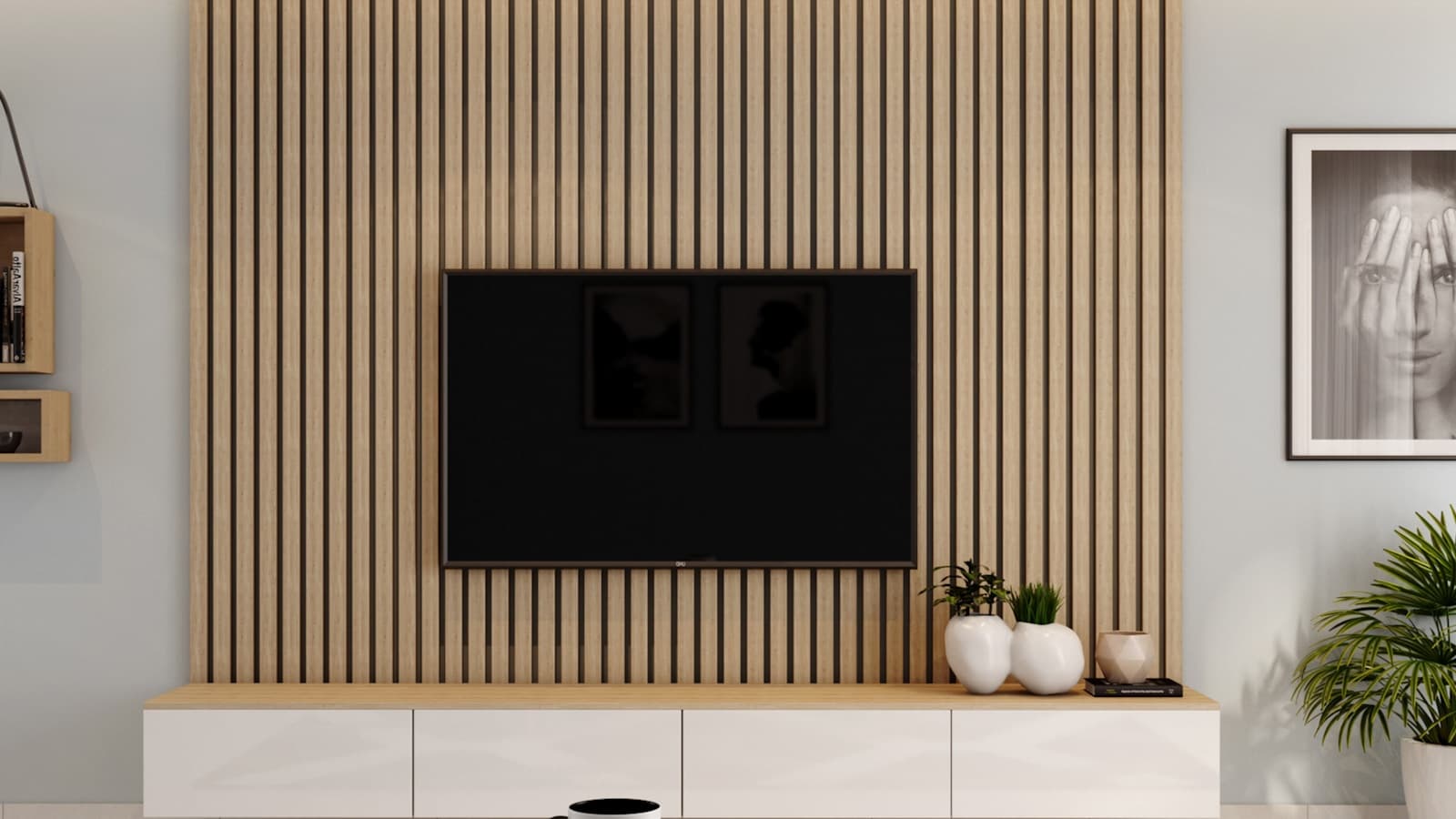
TV pricing splits mostly along panel technology rather than screen size. A 55-inch LED set typically runs $400 to $500, while stepping up to OLED or QLED at that same size pushes the price to $1,200 or beyond, since deeper black levels and per-pixel dimming cost real money to build. Because a TV is bought once rather than paid for monthly, size the price against about three months of your budget instead of a single paycheck.
These key factors affect TV affordability
Screen size and panel technology
Move from a 55-inch LED to a 65-inch and the price climbs a few hundred dollars at most. Swap LED for OLED at that same 65 inches, though, and the jump is often $800 or more, because OLED lights each pixel individually instead of relying on a backlight behind an LCD layer. Mini-LED and QLED sit in between, narrowing the black-level gap to OLED without fully closing it, at a price that splits the difference too.
Refresh rate and gaming features
A PS5 or Xbox Series X can push 4K at 120 frames per second, but only if the TV underneath it has HDMI 2.1 ports and a panel built to keep up - features that show up mainly on mid-range and premium sets, not budget ones. Plug the same console into a standard 60Hz 4K TV and the picture still looks sharp; you just lose the smoother motion and lower input lag the hardware is capable of. Skip this feature entirely if you don't own a current-generation console.
Installation, mounting, and sound
Hardware for wall-mounting runs $30 to $100, and paying someone to actually hang it adds another $100 to $200. Thin panels leave little room for speakers that sound good, which is why a $150 to $400 soundbar has become close to a standard add-on rather than an optional extra - worth factoring in before you finalize a budget built around the TV's sticker price alone.
How to use your results
- If your risk score is low, a mid-range OLED or QLED set is reasonable, but confirm you've budgeted for mounting or a soundbar if you want them.
- If it's high, a 4K LED TV at 60Hz still delivers a sharp picture for most viewing without the premium panel cost.
- Check whether the screen size fits your room and viewing distance before paying more for size than you'll actually notice.
Ways to make a TV more affordable
- Buy around major sales events like Black Friday or Super Bowl season, when TV prices routinely hit their yearly lows.
- Choose last year's model once a manufacturer's new lineup launches, since older OLED and QLED sets often drop 25 to 40 percent.
- Skip 120Hz gaming features if you don't own a current-generation console, and put that savings toward panel quality instead.
- Mount the TV yourself with a basic bracket rather than paying for professional installation if you're comfortable with basic tools.
More tech & hobbies calculators
Peer comparison data
Bureau of Labor Statistics (median income by age), Experian (credit score by age)
Used by the “how you compare” figures in the sidebar, not by the costs on this page.
Every figure on this site, with its source and the date it was last verified
How you compare
Income
Credit score
Nothing added yet - add something to see your risk.