Want the occasional useful email?
New calculators, updated cost data, and the occasional money-saving guide. No account needed, and you can leave any time.
By Alex Diaz · How we calculate this
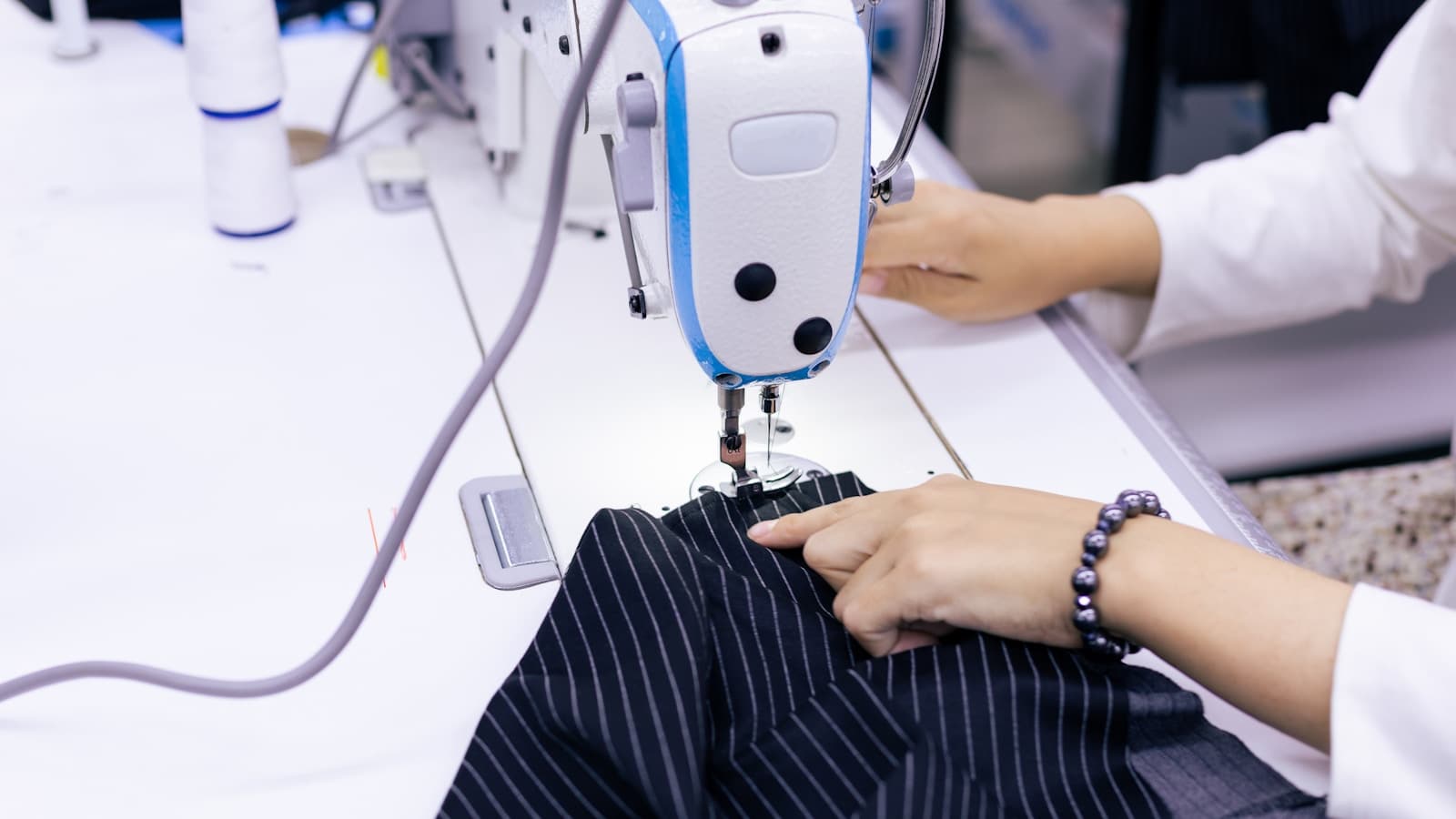
A basic mechanical machine from Brother or Singer handles straight and zigzag stitching for $100 to $250, no computer involved. Step up to a computerized model with a built-in stitch library and automatic threading and you're in the $300 to $700 range, and a combo machine that embroiders designs as well as garments starts closer to $800.
None of that includes what it takes to feed the machine. Fabric, thread, needles, and patterns are a running cost for as long as you sew, so price the machine tier you actually want first, then treat the ongoing supply budget as its own line item.
These key factors affect sewing machine affordability
Machine type and price tier
Entry mechanical machines run $100 to $250 and cover the basics most beginners need. Computerized machines with expanded stitch libraries and automated features land at $300 to $700. Embroidery-and-sewing combo machines, which stitch designs in addition to garments, run $800 to $2,000. A serious hobbyist eyeing an industrial or longarm quilting machine should expect $2,500 and up - a different category of purchase entirely.
Fabric and notions
Quilting cotton runs $10 to $14 a yard; apparel fabric like denim or knit runs $8 to $20 depending on quality. Add thread at $5 to $10 a cone, interfacing at $5 to $10 a yard for anything structured, and a $10 to $20 pattern if you're not drafting your own, and a single garment can easily cost $30 to $60 in materials alone, machine not included.
Serger and add-on equipment
Most sewers eventually want a serger for cleaner seams and stretch fabric, and that's another $200 to $500 on top of the main machine. Budget for it separately rather than assuming one purchase covers both.
Maintenance and accessories
Needles wear out fast and should be swapped every project or two at $5 to $8 for a five-pack. Bobbins run $5 to $10 for a set. A yearly tune-up at a repair shop costs $75 to $120, and anyone getting into embroidery can add $20 to $50 per hoop, with specialty presser feet like a walking or zipper foot running $15 to $40 apiece.
How to use your results
- Enter the price of the specific machine you're considering, not just a starting price you saw for the product line, since computerized and embroidery models vary widely.
- If your result shows limited room, consider a solid mechanical machine first rather than a computerized or embroidery model.
- Set aside a separate fabric and notions budget for your first few projects so you're not caught off guard by per-project costs.
- Reconsider your estimate if you're planning to add a serger or embroidery hoops soon after buying the main machine.
Ways to increase how much sewing machine you can afford
- Start with a reliable mechanical machine from Brother or Singer instead of a computerized or embroidery-combo model.
- Check secondhand marketplaces and estate sales, where well-maintained mechanical machines often sell for 30 to 50 percent below retail.
- Buy fabric during off-season clearance sales at chains like Joann, when cotton and apparel fabric can drop to half price.
- Hold off on a serger until you've outgrown your main machine's seam finishing options.
- Learn basic maintenance like oiling and cleaning yourself to stretch the time between paid servicing visits.
More tech & hobbies calculators
Peer comparison data
Bureau of Labor Statistics (median income by age), Experian (credit score by age)
Used by the “how you compare” figures in the sidebar, not by the costs on this page.
Every figure on this site, with its source and the date it was last verified
How you compare
Income
Credit score
Nothing added yet - add something to see your risk.