Want the occasional useful email?
New calculators, updated cost data, and the occasional money-saving guide. No account needed, and you can leave any time.
By Alex Diaz · How we calculate this
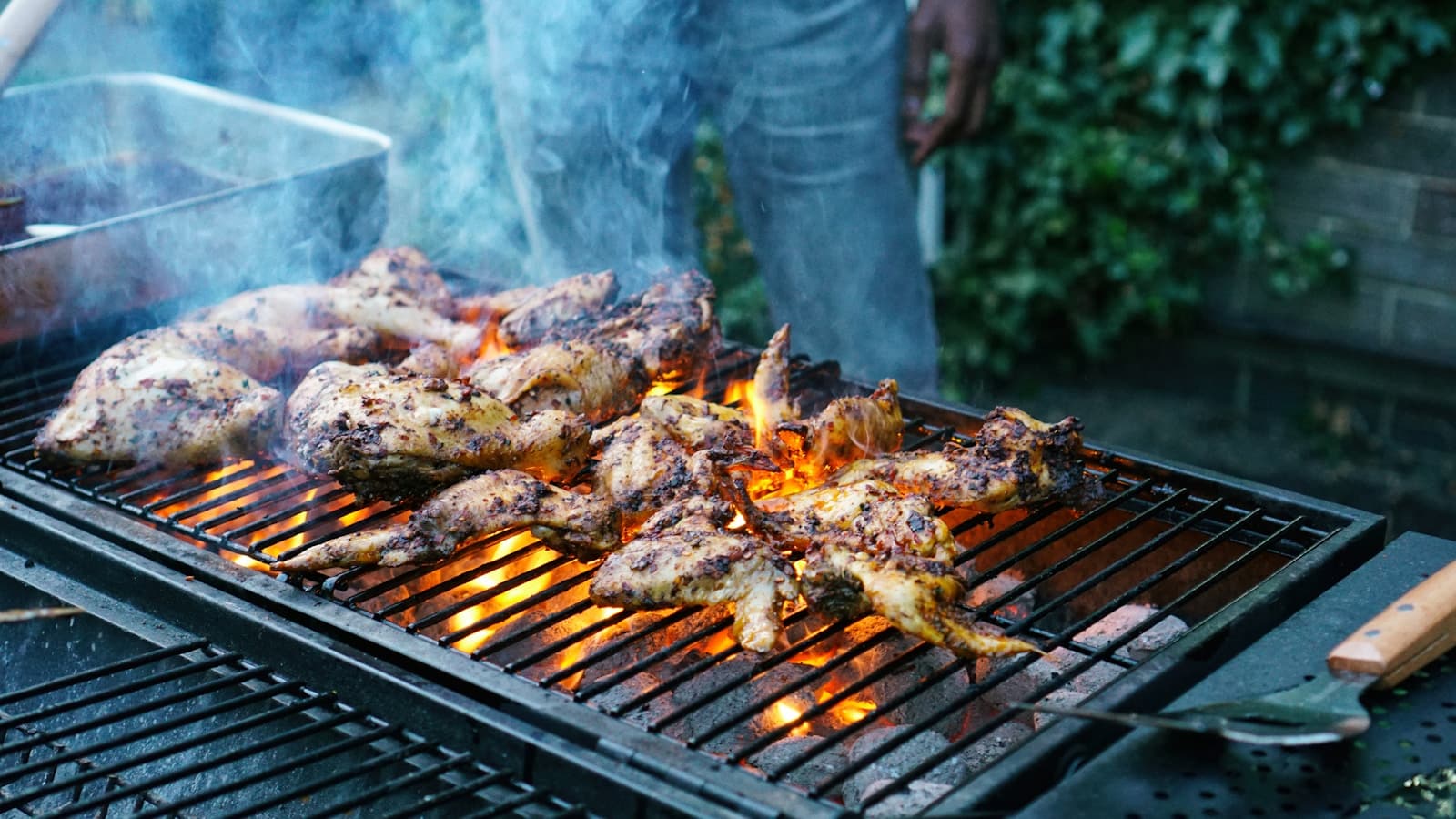
A basic charcoal or propane grill from a hardware store runs a few hundred dollars. Add digital temperature control and a hopper for wood pellets and the price lands at $500 to $1,200. Go further still, a ceramic kamado or a steel offset stick-burner, and the sticker can clear $2,000 before a single brisket has been cooked on it. Since this is usually a one-time purchase, the number entered here gets weighed against roughly three months of ordinary budget rather than a single paycheck.
These key factors affect smoker and grill affordability
Fuel type and tier
Propane and basic charcoal grills sit at $200 to $600 and have you cooking the same day. Step up to a pellet smoker with digital temperature control and the price roughly doubles or triples, landing at $500 to $1,200, in exchange for set-and-forget consistency that charcoal never quite delivers. Ceramic kamados and offset stick-burners built for serious low-and-slow barbecue run $1,000 to $3,000 or more, and at that tier the money is going toward thick steel or ceramic that holds a steady temperature for hours with minimal fiddling.
Size and cooking capacity
A bigger cooking surface or a multi-rack smoker costs more, and it only pays off if you're regularly feeding a crowd. Buy too small and every family gathering turns into cooking in shifts; buy too big for a household of two and that extra capacity just sits there unused for years.
Accessories and consumables
A cover, a real meat thermometer, and basic tools add $50 to $150 before the first cookout. The bigger ongoing number is fuel: charcoal and propane run cheap per session, but a pellet smoker burns through one to three pounds of hardwood pellets an hour, and at roughly $1 to $2 a pound, a household smoking most weekends can spend $20 to $60 a month just keeping the hopper full.
Built-in versus freestanding
A freestanding unit is the whole cost - buy it, roll it onto the patio, done. A built-in outdoor kitchen is a construction project: running a gas line, adding electrical for lighting or a fridge, and pouring or tiling a countertop typically adds $500 to $2,000 or more on top of the grill itself, and unlike a freestanding grill, none of that construction cost moves with you to the next house.
How to use your results
- Include ongoing fuel or pellet costs in your monthly budget if you grill or smoke frequently, since consumables add up.
- Match cooking capacity to how many people you typically cook for, rather than buying the largest available model.
- Add a cover and basic thermometer to your total, since these protect the investment and improve results.
- Recheck your estimate if considering a built-in installation, since that adds significant construction cost beyond the unit price.
Ways to increase how much smoker or grill you can afford
- Choose a freestanding unit instead of a built-in outdoor kitchen installation to avoid construction costs entirely.
- Buy a versatile mid-range pellet smoker instead of a premium ceramic kamado, since both produce excellent results for most home cooks.
- Shop end-of-season sales, typically September through November, for 20% to 30% discounts on grills and smokers.
- Start with charcoal instead of a pellet smoker if you're new to smoking, since charcoal units cost significantly less upfront.
More tech & hobbies calculators
Peer comparison data
Bureau of Labor Statistics (median income by age), Experian (credit score by age)
Used by the “how you compare” figures in the sidebar, not by the costs on this page.
Every figure on this site, with its source and the date it was last verified
How you compare
Income
Credit score
Nothing added yet - add something to see your risk.