≈ $75,000 down
Ongoing housing costs
PMI is included below since the down payment is under 20%.
Estimated total
$2,920/mo
$2,742 payment + $177 PMI
Want the occasional useful email?
New calculators, updated cost data, and the occasional money-saving guide. No account needed, and you can leave any time.
By Alex Diaz · How we calculate this
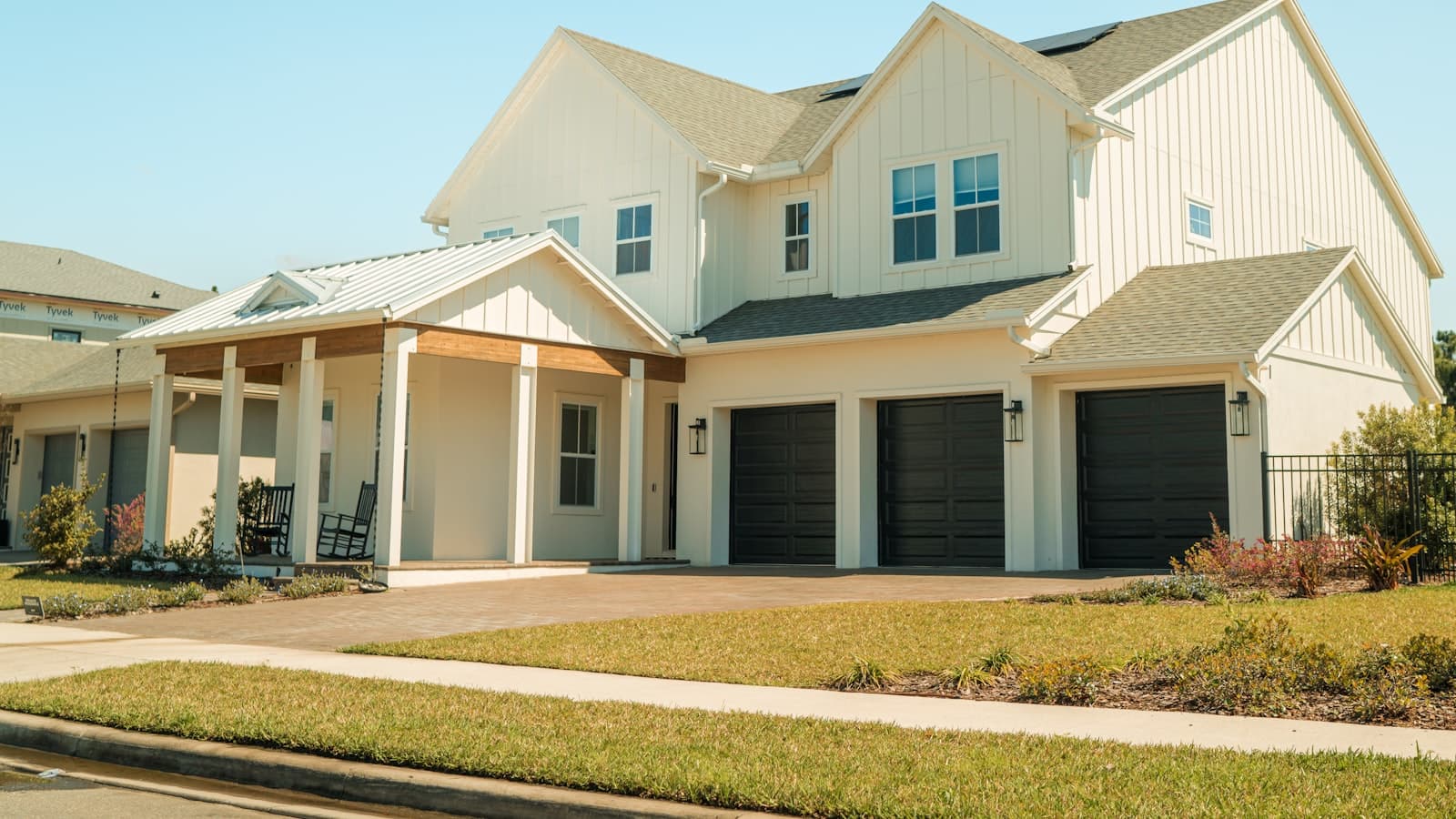
The price a builder advertises is almost never the price you'll pay. That number is a base price, before lot premiums, structural changes, or finish-level upgrades, and it's easy to walk out of the design center having added tens of thousands of dollars without ever feeling like you made one big decision. Enter the home's price, down payment, rate, and term below, and this turns into a monthly payment weighed against your income, existing debt, and credit score.
These key factors affect new construction affordability
Income and expenses
A new construction payment competes with everything else in your budget the same way any mortgage does, so this calculator weighs it against your income alongside any other debt you've logged rather than looking at the payment on its own.
Credit score
Credit score works exactly the way it does on any other mortgage here: a higher score gets you a lower rate, and a lower rate means a lower monthly payment for the same loan amount. Nothing about buying new changes that math.
Upgrades and lot premiums
The base price you see advertised typically excludes upgrades, options, and any premium charged for a more desirable lot within the community, and design-center add-ons in particular have a way of compounding. Flooring upgrades, cabinet tiers, and a finished basement can each look like a small decision in the moment, but stacked together they routinely add tens of thousands of dollars to a price that started out looking reasonable.
Builder incentives and rate buydowns
Builders often have more room to negotiate than the sticker price suggests, especially when they're trying to move inventory near the end of a sales quarter. A temporary or permanent rate buydown, or a credit toward closing costs, can change your effective monthly payment more than haggling over the price itself would, so it's worth asking directly rather than assuming the quoted rate is final.
Down payment and loan term
A larger down payment shrinks the loan the same way it would on any home purchase, and a longer term trades a lower monthly payment for more interest paid over the life of the loan. One new-construction wrinkle worth knowing: if you're building on a lot you already own or using a construction-to-permanent loan, the down payment math can work differently than on a home that already exists, since the lender is financing a project rather than a finished asset.
How to use your results
Try adjusting the inputs to see what actually moves your risk score:
- New home price - include realistic upgrade and lot premium costs, not just the base price.
- Down payment and loan term - see how each moves your monthly payment and risk score.
- Existing debt - add what you're already carrying for a more realistic picture.
Ways to increase how much new construction you can afford
- Ask the builder directly about rate buydowns or closing cost incentives currently available.
- Price out upgrades before visiting the design center so you know your limit going in.
- Pay down existing debt to improve your debt-to-income ratio before applying for a mortgage.
- Save for a larger down payment to borrow less and potentially avoid mortgage insurance.
More housing calculators
Peer comparison data
Bureau of Labor Statistics (median income by age), Experian (credit score by age)
Used by the “how you compare” figures in the sidebar, not by the costs on this page.
Every figure on this site, with its source and the date it was last verified
How you compare
Income
Credit score
Nothing added yet - add something to see your risk.