≈ $4,500 down
Ongoing housing costs
PMI is included below since the down payment is under 20%.
Estimated total
$374/mo
$357 payment + $17 PMI
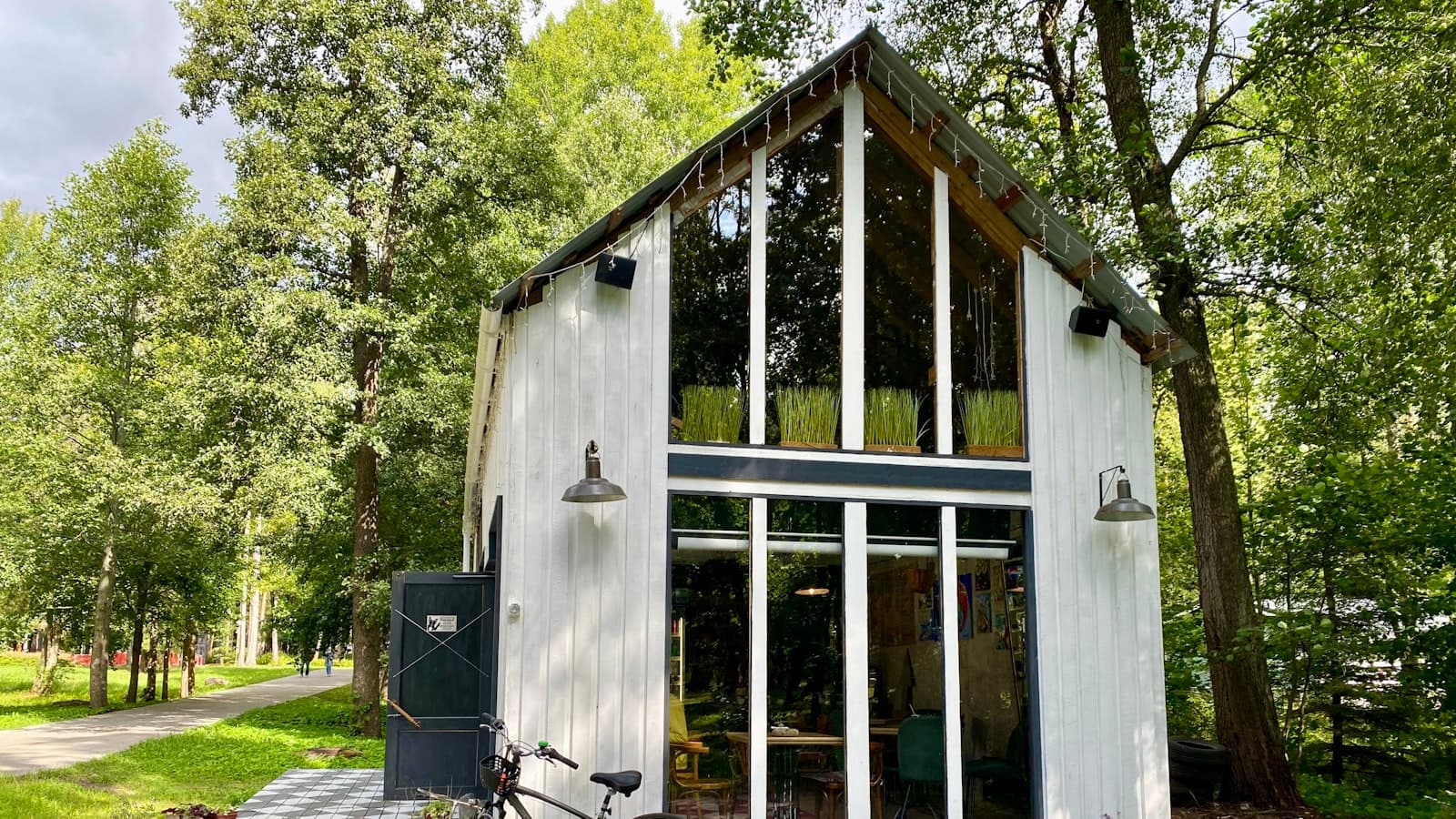
A tiny home rarely gets financed like a house, and that changes the shape of this calculation more than the small square footage might suggest. We start with your household income, existing debt, and credit score, then turn the price, down payment, rate, and term you enter into a monthly payment - weighed against your income to see how much risk it actually carries.
These key factors affect tiny home affordability
Income and expenses
A tiny home's monthly cost gets judged the same way any other payment would here. It's weighed against your income together with whatever debt is already on your plate, since that's the pool of money it actually has to compete with.
Financing type
Try applying for a 30-year mortgage on a home built on a trailer and you'll likely run into a wall. Most mortgage lenders want real property permanently attached to land, and a tiny home on wheels doesn't fit that definition no matter how nice it is inside. That pushes most buyers toward an RV loan or a personal loan instead, which usually means a shorter term, a higher rate, and sometimes a lower cap on how much you can borrow than a mortgage would offer.
Credit score
Credit matters on any loan, but it pulls more weight here. Tiny home financing already starts from a higher rate than a conventional mortgage, so the gap between a strong score and a weak one turns into a bigger swing in your actual monthly payment than it would on a home loan.
Land and site costs
The home price is rarely the whole bill. Unless you already own land or a spot lined up in a tiny home community, you still need somewhere to legally place it, and that comes with its own cost for a lot, utility hookups, or community fees. Zoning is worth checking early rather than late, too - plenty of cities and counties still don't have a clear category for a tiny home as a full-time residence, and some only allow one as an accessory dwelling unit behind an existing house.
Down payment and loan term
Because these loans run shorter than a mortgage, sometimes considerably so, a bigger down payment does more work here. It's chipping away at a balance that has less time to shrink on its own before the loan comes due.
Resale and depreciation
A tiny home on wheels tends to depreciate more like an RV than appreciate like real estate. One thing worth asking the builder before you buy: whether the home is certified through the RV Industry Association (RVIA). Some parks, insurers, and even lenders require that certification, and skipping it can narrow where you're allowed to park and how you're able to finance or insure it later.
How to use your results
Try adjusting the inputs to see what actually moves your risk score:
- Down payment - see how putting more down lowers your monthly payment given a shorter loan term.
- Loan term - compare what different term lengths do, since tiny home loans rarely stretch as long as a mortgage.
- Interest rate - rates vary a lot depending on whether you finance through an RV loan, personal loan, or manufacturer financing.
- Existing debt - add what you're already carrying for a more realistic picture.
Ways to increase how much tiny home you can afford
- Shop multiple financing types - RV loans, personal loans, and manufacturer financing can carry very different rates.
- Save for a bigger down payment to offset the typically shorter loan term.
- Improve your credit score before applying, since tiny home financing rates already run higher than a mortgage.
- Factor land or lot costs into your budget upfront rather than as an afterthought.
- Pay down existing debt to improve your debt-to-income ratio before applying.
More housing calculators
Sources
Bureau of Labor Statistics (median income by age, shown in the sidebar), Experian (credit score by age, shown in the sidebar), Freddie Mac (average mortgage rate) - starting points to compare against, not real-time quotes.
Nothing added yet - add something to see your risk.