≈ $75,000 down
Ongoing housing costs
Estimated total
$1,558/mo
Want the occasional useful email?
New calculators, updated cost data, and the occasional money-saving guide. No account needed, and you can leave any time.
By Alex Diaz · How we calculate this
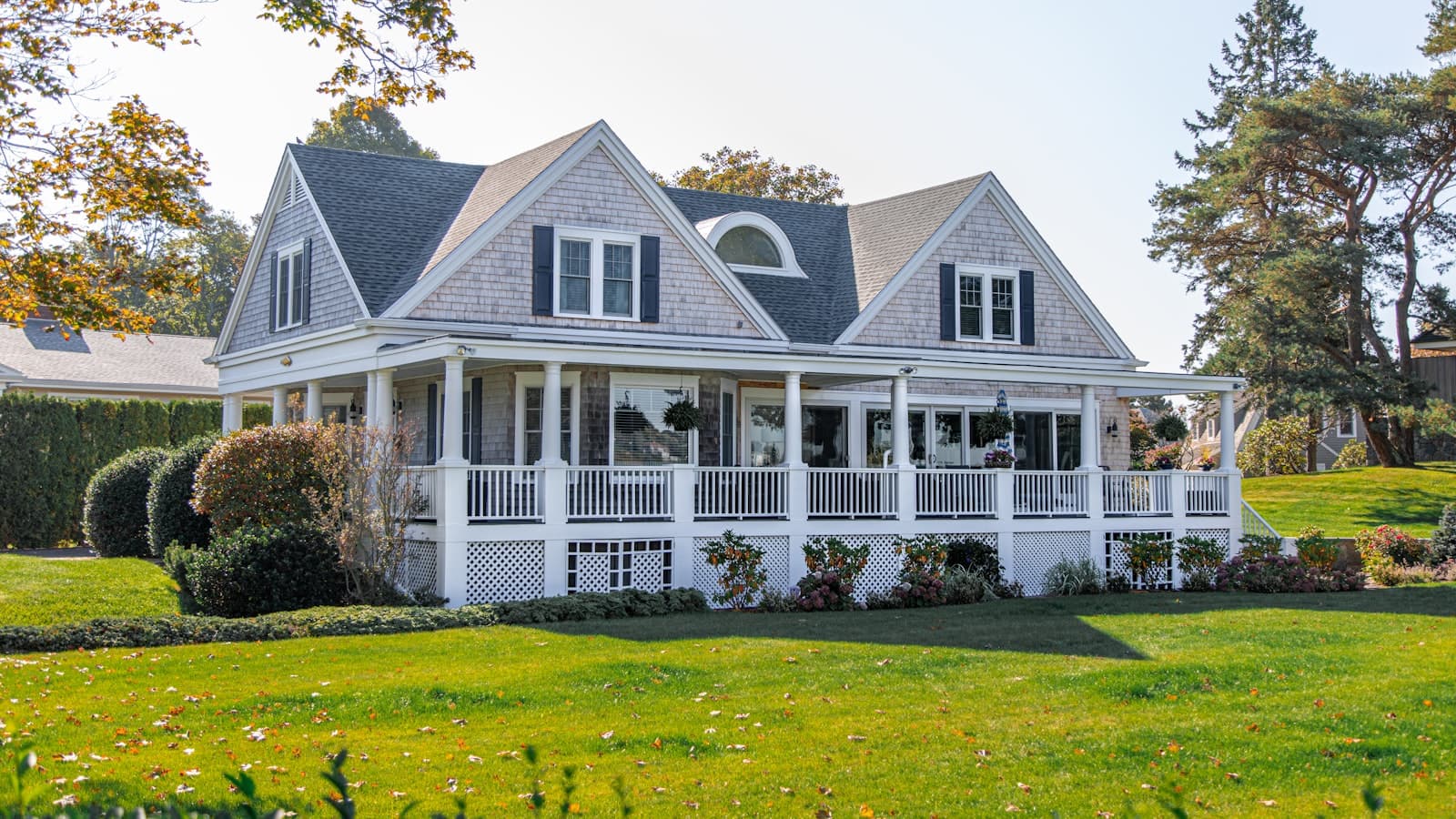
Lenders treat an investment property as a different risk category than a primary home, and it shows up first in the down payment: 20% to 25% is typical, sometimes more, and the interest rate offered runs higher too. Your estimate combines the property's price, down payment, rate, and term into a monthly payment, then weighs that against your income, existing debt, and credit score, the same inputs a lender would look at before approving the loan.
These key factors affect rental property affordability
Income and expenses
A rental property payment competes with everything else in your personal budget until rent actually starts coming in reliably. We weigh it against your income alongside any other debt you've logged, the same way an underwriter looks past the property itself to your whole financial picture.
Credit score
Investment property loans are underwritten more conservatively than an owner-occupied mortgage across the board: higher rates, larger down payments, and sometimes required cash reserves on top of the down payment. A lower credit score compounds all of it at once, not just the rate.
Rental income offsetting the payment
The core idea behind a rental property is that rent covers most or all of the mortgage payment. Lenders know rent isn't guaranteed, so most only count a portion of it toward qualifying, commonly around 75% of the projected amount, to leave room for vacancy. Using that same conservative estimate yourself, rather than assuming full occupancy every month from day one, gets you closer to what the payment will actually feel like.
Down payment and loan term
Expect to put down 20% to 25% or more, well above the 3% to 5% possible on a primary home, which shrinks the loan itself but demands a lot more cash upfront. Some investors use a rough screen known as the 1% rule, checking whether monthly rent reaches about 1% of the purchase price, but it's a starting filter for narrowing down listings, not a substitute for running the actual numbers on a specific property.
Vacancy, maintenance, and property management
Beyond the mortgage, ongoing costs include maintenance, stretches of vacancy between tenants, and property management fees if you're not self-managing. A common rule of thumb, sometimes called the 50% rule, sets aside about half of gross rent for these non-mortgage expenses before counting the rest as profit, and it's a reasonable starting assumption even if your actual numbers end up better.
How to use your results
Try adjusting the inputs to see what actually moves your risk score:
- Down payment - investment loans often require significantly more down than a primary home.
- Rental income - model a conservative estimate with vacancy built in, not best-case occupancy.
- Existing debt - add what you're already carrying for a more realistic picture.
Ways to increase how much rental property you can afford
- Pay down existing debt to improve your debt-to-income ratio before applying for financing.
- Save for a larger down payment, since investment loans typically require more than a primary residence.
- Get a realistic rent estimate for the area and vacancy rate before assuming full occupancy.
- Budget for maintenance and property management separately from the mortgage payment itself.
More housing calculators
Peer comparison data
Bureau of Labor Statistics (median income by age), Experian (credit score by age)
Used by the “how you compare” figures in the sidebar, not by the costs on this page.
Every figure on this site, with its source and the date it was last verified
How you compare
Income
Credit score
Nothing added yet - add something to see your risk.