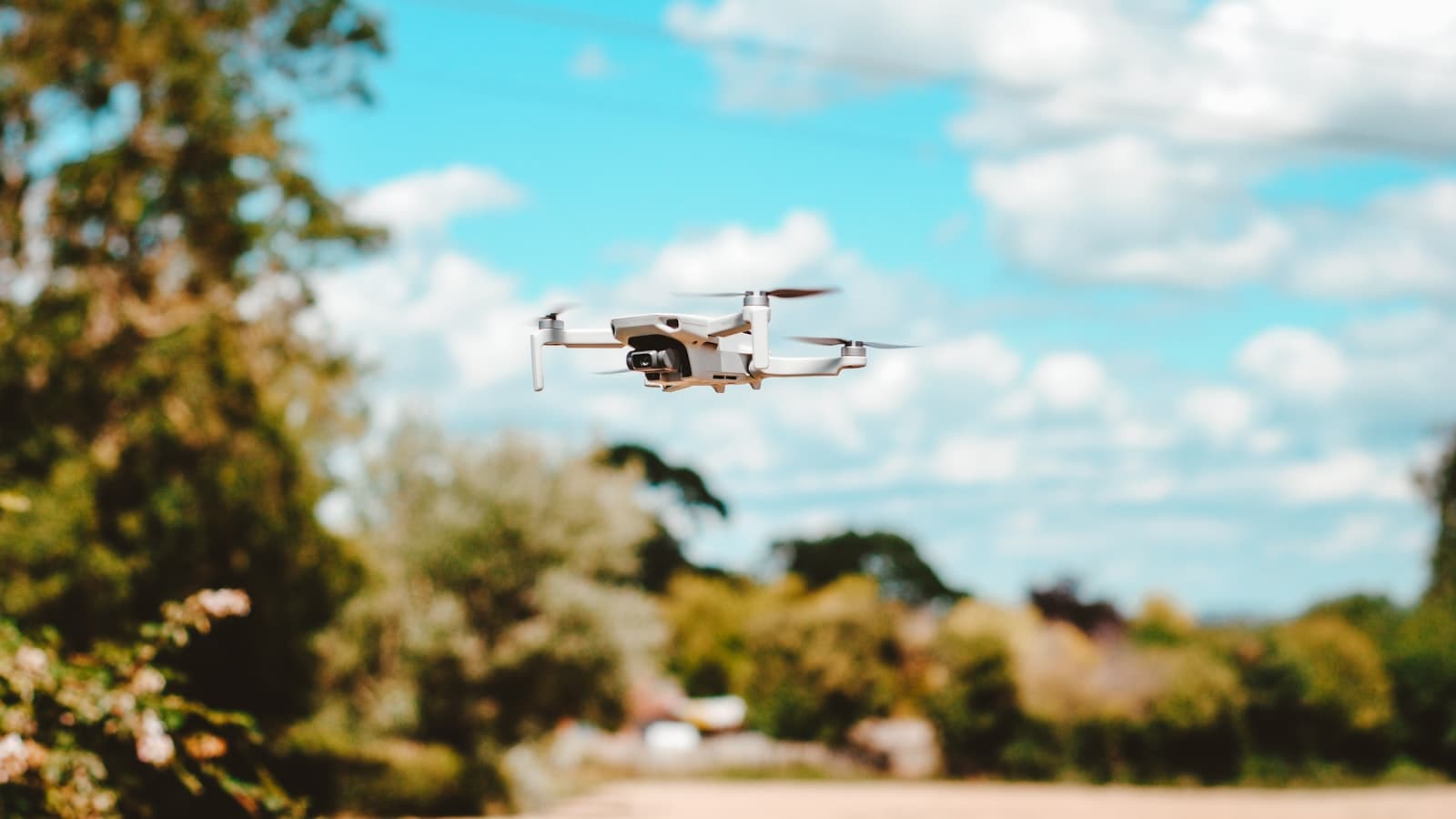
Because a drone is typically a one-time cost, your estimate weighs the price against roughly three months of your budget, treating it as a stretch purchase rather than a monthly bill.
These key factors affect drone affordability
Income and expenses
A drone falls squarely into discretionary spending, so the number that matters isn't the price tag on its own. It's what's actually left in your budget once rent or a mortgage, a car payment, and any other debt are already accounted for.
Features and accessories
Camera quality, flight time, and transmission range drive most of the price gap between models. Extras add up fast too: a second or third battery, a hard case, and propeller guards can push the real total well past the drone's sticker price.
Registration and regulations
In the U.S., any drone weighing more than 0.55 pounds (250 grams) flown recreationally has to be registered with the FAA, currently a $5 fee that covers all your drones for three years. Most drones marketed for photo and video work clear that weight easily, so budgeting for registration, and for compliance with Remote ID broadcasting if your drone requires it, is a small but real part of owning one legally.
How to use your results
- Include extra batteries and accessories in the total, not just the drone's listed price.
- Compare a mid-range model against a flagship one to see how much the difference actually matters for your risk score.
Ways to make a drone more affordable
- Buy the previous generation model for a meaningful discount over the newest release.
- Check refurbished listings from the manufacturer, which typically still carry a warranty.
- Start with a mid-range model rather than a flagship if this is your first drone.
More tech & hobbies calculators
Sources
Bureau of Labor Statistics (median income by age, shown in the sidebar), Experian (credit score by age, shown in the sidebar) - starting points to compare against, not real-time quotes.
Nothing added yet - add something to see your risk.