Want the occasional useful email?
New calculators, updated cost data, and the occasional money-saving guide. No account needed, and you can leave any time.
By Alex Diaz · How we calculate this
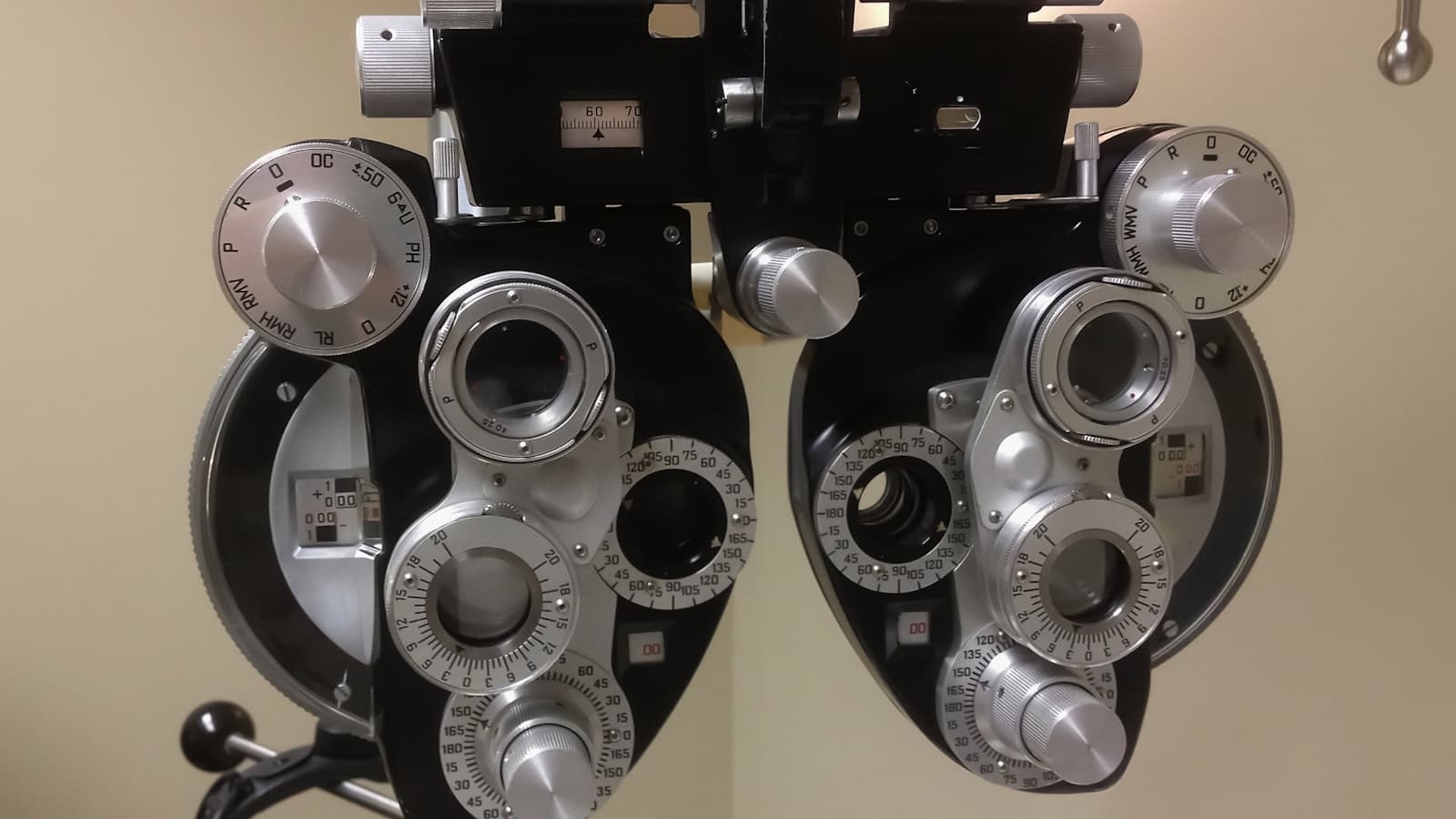
Cataract surgery is one of the most common procedures in American medicine, with more than 3 million performed in the US each year, most of them on Medicare beneficiaries. Medicare and most private insurance cover the medically necessary version with a standard monofocal lens, typically leaving you responsible for around $500 to $1,000 per eye in coinsurance. Choosing a premium multifocal or toric lens to cut down on your need for glasses afterward is a different story, since that upgrade is billed as an elective add-on, adding $1,500 to $4,000 per eye out of pocket. This calculator treats the surgery as a one-time expense, comparing the total you enter to roughly three months of your budget rather than a single month's income.
These key factors affect cataract surgery affordability
Medicare and insurance coverage baseline
Medicare Part B and most private insurance plans treat cataract surgery with a standard monofocal lens as medically necessary, so the surgery itself gets covered. What's left for you is the usual 20% coinsurance after your deductible, which at an ambulatory surgical center typically works out to $500 to $1,000 per eye.
Premium lens upgrades
Multifocal, extended depth-of-focus, and toric lenses exist to reduce how dependent you are on glasses after surgery, but Medicare and insurers classify the upgrade itself as elective. In practice, that means the base surgery gets billed and covered as usual, and you pay the difference for the lens, typically another $1,500 to $4,000 per eye.
Second eye and staged timing
Cataracts often develop in both eyes on a similar timeline, and surgeons typically schedule the second eye two to four weeks after the first. Budget for both from the start; a household can easily end up doubling its total cost by planning only around the number on the initial estimate.
How to use your results
- Enter your expected out-of-pocket cost after Medicare or insurance coinsurance, not the full billed amount the surgery center charges.
- If you'll need both eyes done, run the estimate twice, or double your entry, so the tool reflects your real total exposure.
- A high risk score is a good prompt to ask your surgeon's billing office about a itemized quote before you assume the lens upgrade is required.
Ways to make cataract surgery more affordable
- Confirm which ambulatory surgical centers are in-network for your plan, since facility fees vary widely between hospital outpatient departments and standalone surgery centers for the same surgeon.
- Stick with the standard monofocal lens if cost is a concern; it's fully covered and still corrects cataract-related vision loss, with glasses handling any remaining refractive error.
- Ask if the practice offers a bundled flat rate covering the pre-op exam, the surgery itself, and post-op visits.
- Use a Medigap policy, HSA, or FSA to cover the coinsurance portion so it doesn't come entirely out of pocket at once.
More health & personal care calculators
Peer comparison data
Bureau of Labor Statistics (median income by age), Experian (credit score by age)
Used by the “how you compare” figures in the sidebar, not by the costs on this page.
Every figure on this site, with its source and the date it was last verified
How you compare
Income
Credit score
Nothing added yet - add something to see your risk.