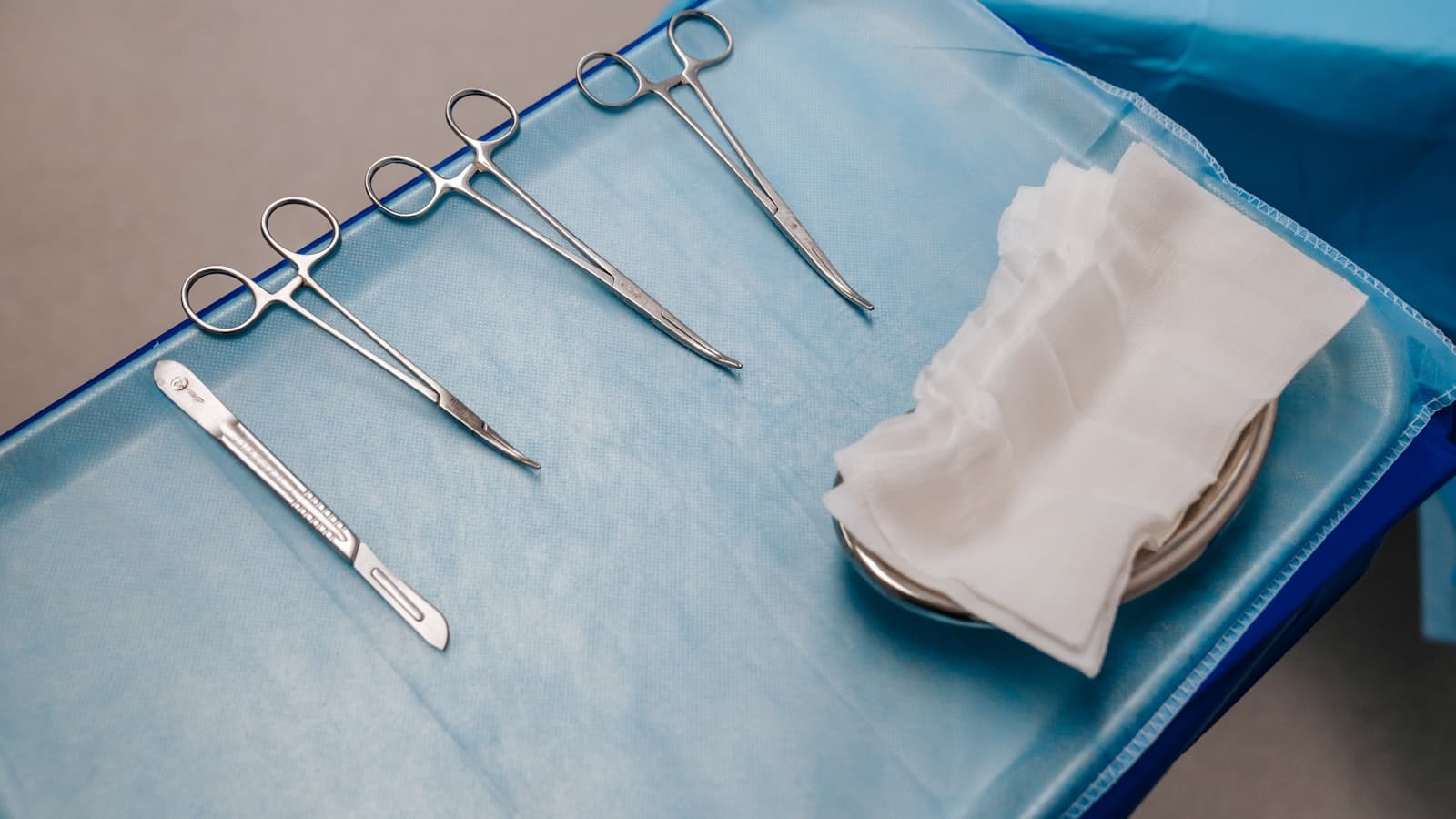
Cosmetic surgery covers a huge range of procedures with very different price tags: liposuction on one area might run $3,500 to $9,000, a tummy tuck often lands between $8,000 and $15,000, and a facelift frequently costs $10,000 to $20,000 or more once anesthesia and facility fees are added to the surgeon's own fee. Because it's a one-time cost rather than a recurring bill, this estimate weighs whatever total you enter against your income, savings, and any existing debt to gauge how big a stretch it would be.
These key factors affect cosmetic surgery affordability
Income and expenses
Because cosmetic procedures are elective and rarely urgent, many people are able to save toward the cost over months rather than needing to finance it immediately, which is part of why this estimate weighs the total against your full financial picture, savings included, rather than income alone. A $10,000 procedure means something very different to someone with a fully funded emergency fund than to someone who'd need to put it on a credit card.
Procedure cost variation
The surgeon's own fee is usually just one line of the total bill. Anesthesia, the operating facility fee, and pre-operative lab work are typically billed separately and are easy to leave out of a back-of-envelope number, which is part of why an itemized quote matters more here than for almost any other purchase on this list. Whether the procedure happens in an accredited outpatient surgical center versus a hospital operating room also affects the facility fee specifically.
Recovery and follow-up costs
Recovery costs are the part people most often forget to budget for. Compression garments, prescription pain medication, and follow-up visits add up, and so does lost income if your job doesn't offer paid time off. Downtime itself varies by procedure: liposuction recovery is often around a week, while a tummy tuck or facelift can mean two to four weeks before you're back to normal activity and four to six weeks before real exercise.
Financing and insurance
Health insurance generally treats cosmetic surgery as elective and won't cover the procedure or, in most cases, complications from it. Some practices offer complication insurance, a relatively inexpensive one-time policy that covers hospitalization or additional treatment if something goes wrong during recovery, which is worth asking about given that revision surgery is far more expensive than the original procedure. If you do finance through the practice or a third-party lender, compare the total interest against paying from savings, since promotional zero-percent periods often revert to high rates if the balance isn't paid off in time.
How to use your results
Try building out the full cost rather than just the surgeon's quote:
- Add recovery costs - time off work, garments, follow-ups - to the base procedure price.
- Compare paying upfront from savings against a financed monthly payment.
- Alongside your existing debt, for a realistic sense of what it would actually cost you to take on.
Ways to manage the cost of cosmetic surgery
- Get quotes from more than one board-certified surgeon, since pricing varies for comparable outcomes.
- Ask for an itemized quote that includes anesthesia, facility fees, and follow-up visits, not just the surgeon's fee.
- Save toward the procedure in advance rather than financing it, if your timeline allows.
- Budget separately for recovery time, especially if you'd need to take unpaid time off work.
More health & personal care calculators
Sources
Bureau of Labor Statistics (median income by age, shown in the sidebar), Experian (credit score by age, shown in the sidebar) - starting points to compare against, not real-time quotes.
Nothing added yet - add something to see your risk.