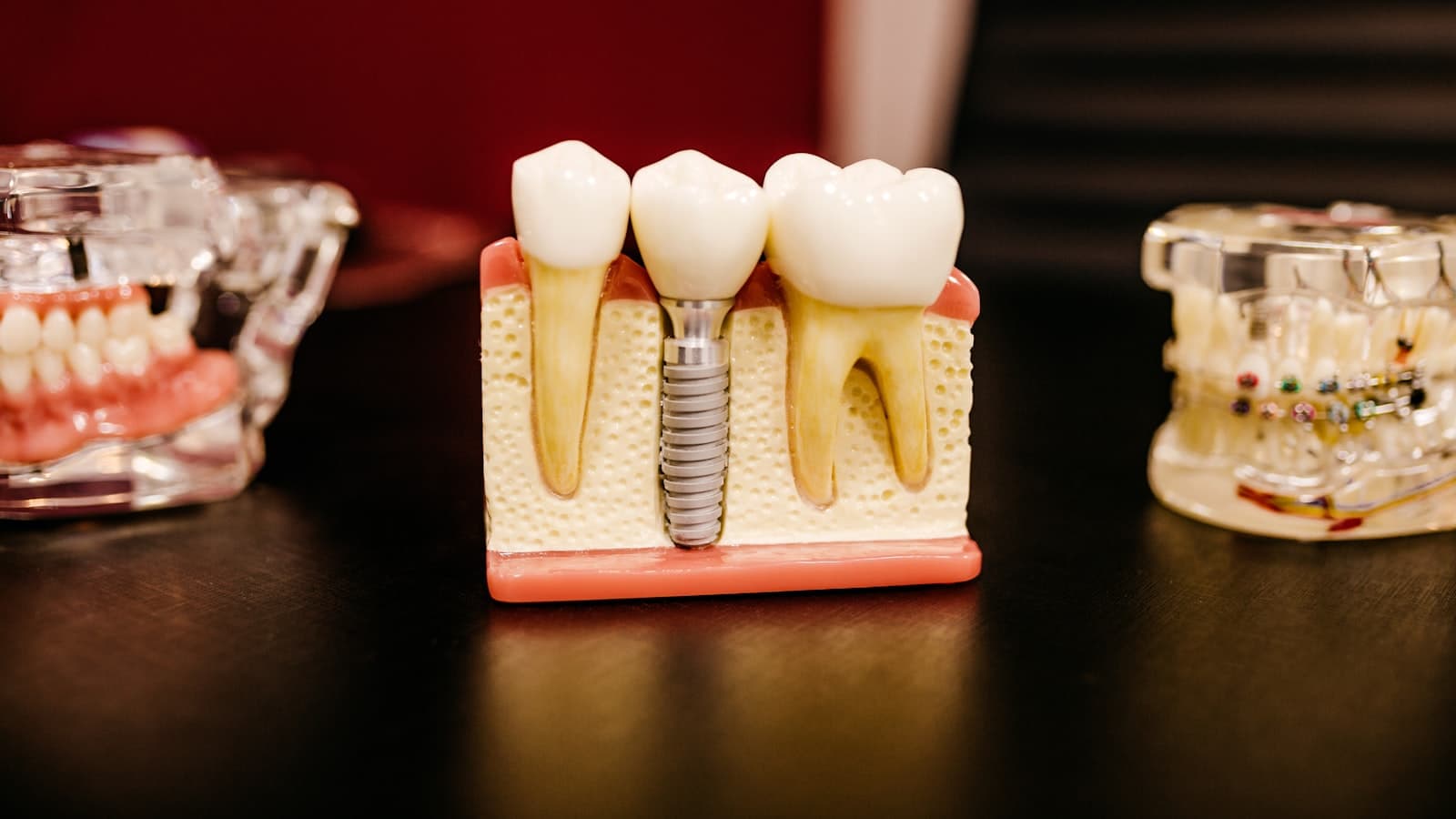
A single dental implant, the titanium post plus the abutment and crown on top, typically costs $3,000 to $5,000 per tooth in the US, and a full-arch or all-on-4 restoration replacing a whole row of teeth commonly runs $20,000 to $30,000 or more per arch. Because implants are a one-time cost rather than a recurring bill, this estimate weighs the total you enter against your income, savings, and any existing debt to gauge how big a stretch it would be.
These key factors affect dental implant affordability
Income and expenses
Implants are elective enough that most people can plan the timing around their finances, which is why this estimate looks at your total financial picture, savings and existing debt included, rather than your income by itself. A single implant is a manageable expense for many households; a full-mouth restoration is a different scale of decision entirely.
Procedure cost variation
The core cost driver is simple: how many teeth need replacing. A single implant with its crown typically runs $3,000 to $5,000, while a full-arch restoration replacing a whole row of teeth is a different order of magnitude, often $20,000 to $30,000 or more. Bone grafting, needed when there isn't enough jawbone left to anchor the implant securely, adds anywhere from a few hundred dollars for a minor graft to a few thousand for a more extensive one, and typically adds several months to the timeline while the graft heals before the implant itself can be placed.
Insurance coverage
Dental insurance is often the smaller piece of the puzzle here. Many plans exclude implants entirely as cosmetic, and the ones that do cover them typically apply the same annual maximum, often $1,000 to $2,000, that applies to other major dental work, so partial coverage may only chip a modest amount off a bill that can run into the thousands. It's also worth checking your medical insurance specifically if the tooth loss was due to an accident or a medical condition, since implants are sometimes covered under medical rather than dental benefits in those cases.
Financing options
Financing plans and in-house payment options can spread a large bill into monthly payments, though it's worth comparing the total interest cost against paying from savings, or against a shorter-term 0 percent promotional plan if one is offered. It can help to weigh the upfront cost against the alternative too: implants have a high long-term success rate, commonly cited around 95 percent or better over 10 years, and unlike a bridge or removable denture they don't typically need replacing on a fixed schedule, which is part of the value equation even though the initial price tag is higher.
How to use your results
Try a couple of scenarios rather than a single quote:
- The cost with and without any insurance coverage applied.
- A financed monthly payment against paying the full amount upfront.
- Alongside your existing debt, for a realistic sense of what it would actually cost you to take on.
Ways to lower the cost of dental implants
- Get a detailed treatment plan and quote from more than one provider before committing.
- Confirm exactly what your dental insurance covers and what it classifies as cosmetic.
- Ask about in-house financing or payment plans, and compare the total interest against saving up instead.
- Consider dental schools or teaching clinics, which sometimes offer lower-cost care under supervision.
More health & personal care calculators
Sources
Bureau of Labor Statistics (median income by age, shown in the sidebar), Experian (credit score by age, shown in the sidebar) - starting points to compare against, not real-time quotes.
Nothing added yet - add something to see your risk.