Want the occasional useful email?
New calculators, updated cost data, and the occasional money-saving guide. No account needed, and you can leave any time.
By Alex Diaz · How we calculate this
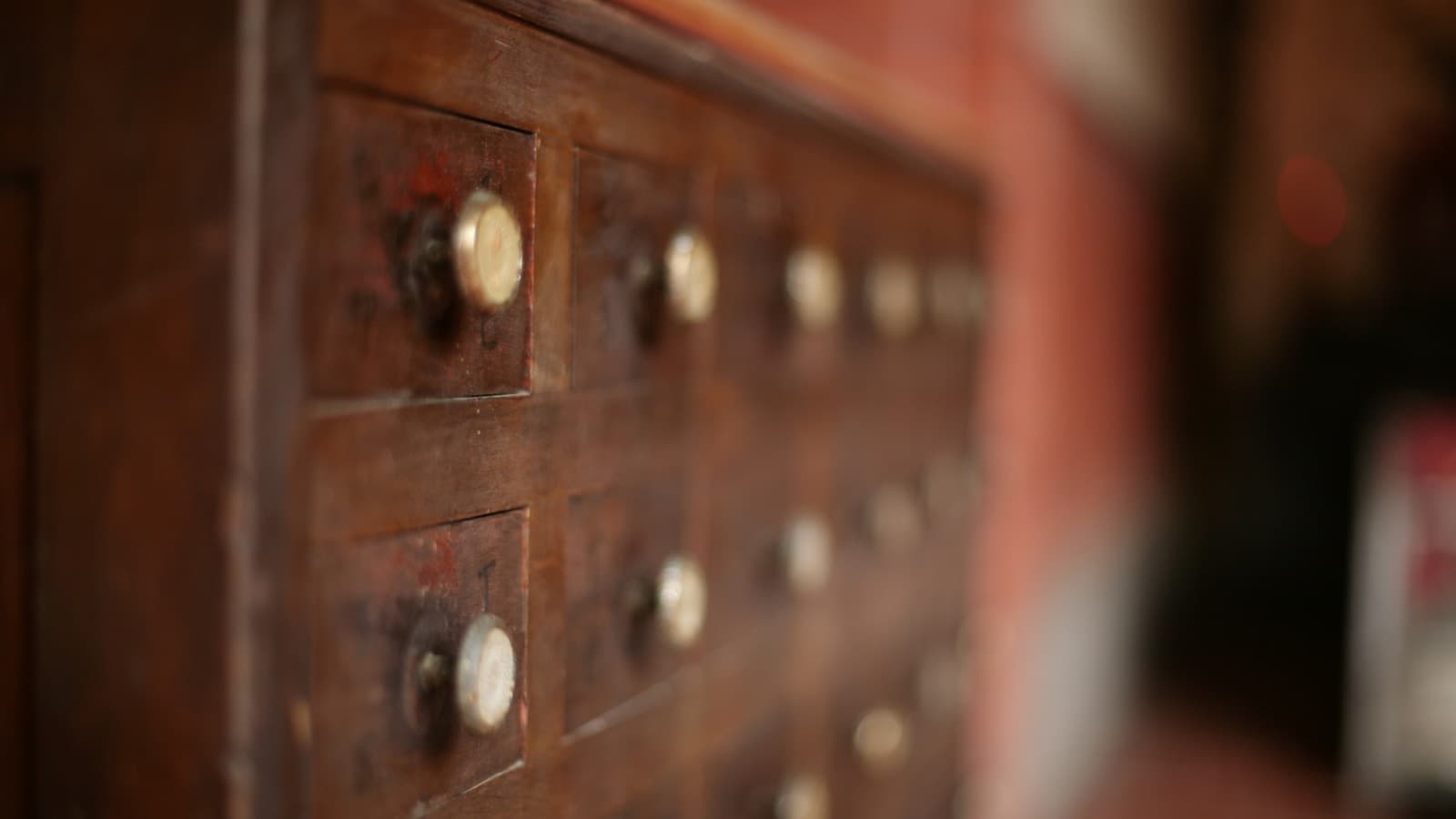
Age alone doesn't make something valuable - a mass-produced Victorian side table is still just old furniture, while a documented piece from a known maker in excellent condition commands real money. Provenance, condition, and rarity drive price far more than the calendar does. Authentication itself can cost real money, and resale is usually far less liquid than buyers expect: dealers routinely offer a fraction of retail, and finding the right buyer for a specific piece can take months.
These key factors affect antique affordability
Category and rarity
Furniture and decorative pieces from well-documented periods typically sell for $300 to $3,000 depending on maker and condition. Museum-quality or rare pieces can run into the tens of thousands, but that's the exception, not the rule - most antiques in circulation are ordinary examples worth ordinary prices.
Authentication and provenance
A formal appraisal runs $100 to $400 and is worth getting before paying real money for anything you can't independently verify. Unverified pieces carry genuine authenticity risk, and a wrong guess here costs far more than the appraisal fee would have.
Restoration costs
Professional restoration or conservation work can run $200 to $1,500 or more, and on a damaged piece it sometimes rivals or exceeds what you paid for the antique itself. Get a restorer's estimate before you buy something that needs work, not after.
Buying venue
Auction houses tack on a buyer's premium of 15 to 25 percent above the hammer price, which surprises plenty of first-time bidders when the final invoice arrives. Estate sales and antique shops skip that fee, but they've usually built restoration costs and markup into the sticker price instead, so the total isn't automatically lower - it's just presented as one number instead of two.
How to use your results
- Get a professional appraisal before finalizing your budget, especially for higher-value pieces, to confirm authenticity and fair pricing.
- Add buyer's premium to your total if bidding at auction, since that's typically 15% to 25% on top of the hammer price.
- Include restoration costs in your estimate if the piece needs work, since this can be a substantial addition to the purchase price.
- Recheck your total against comparable recent sales for the same maker or period to confirm you're paying a fair price.
Ways to increase how much antique you can afford
- Buy from estate sales instead of auction houses to avoid the buyer's premium.
- Choose pieces that need only minor restoration instead of major conservation work.
- Negotiate directly with antique dealers, who often have room to come down 10% to 20% from the listed price.
- Focus on lesser-known makers or regional pieces from the same period instead of famous-name items, which carry a significant name premium.
More lifestyle & luxury calculators
Peer comparison data
Bureau of Labor Statistics (median income by age), Experian (credit score by age)
Used by the “how you compare” figures in the sidebar, not by the costs on this page.
Every figure on this site, with its source and the date it was last verified
How you compare
Income
Credit score
Nothing added yet - add something to see your risk.