Want the occasional useful email?
New calculators, updated cost data, and the occasional money-saving guide. No account needed, and you can leave any time.
By Alex Diaz · How we calculate this
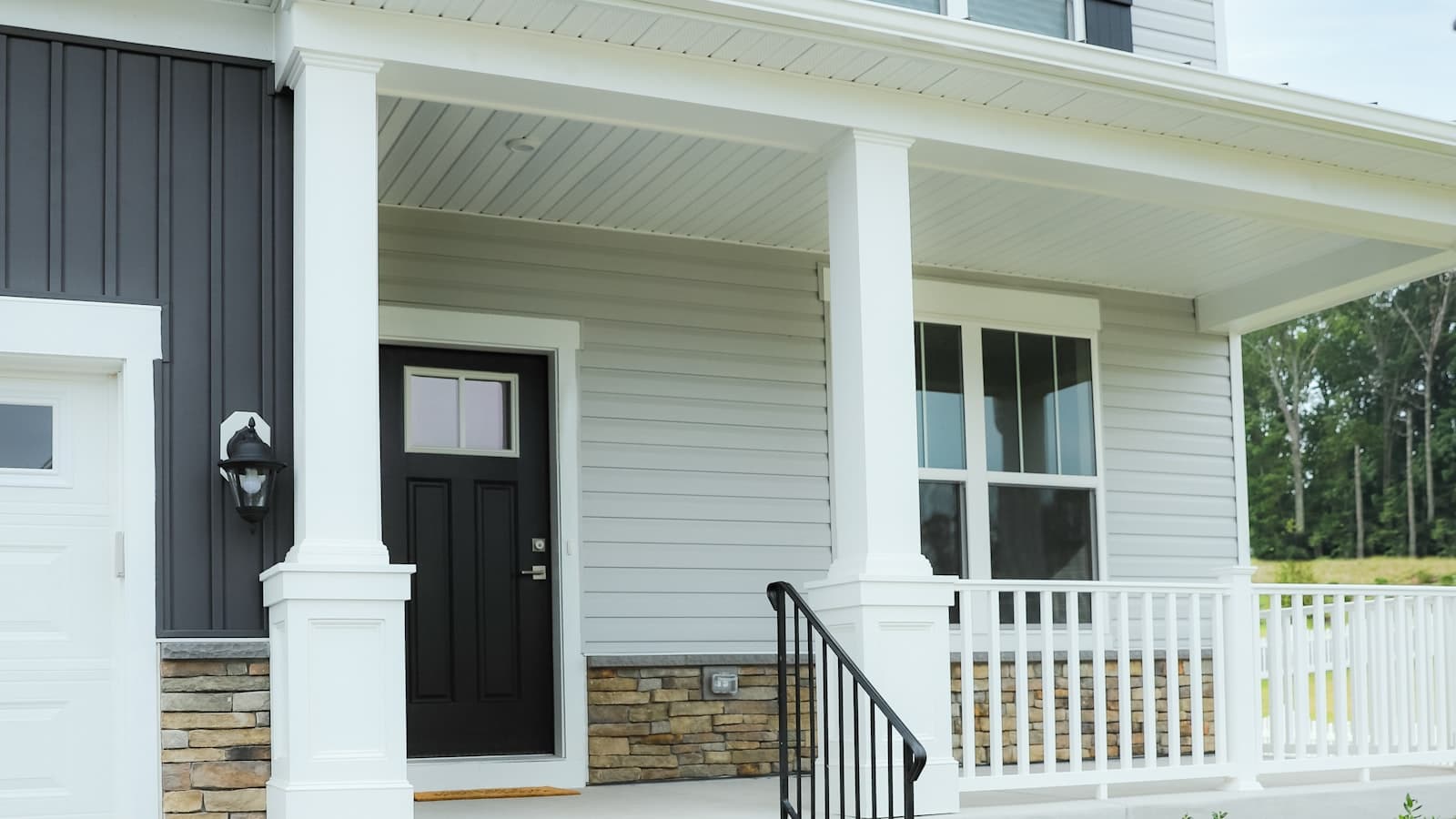
Material is the biggest swing factor in what a siding project ends up costing. Vinyl sits at the affordable end per square foot, while fiber cement, engineered wood, and natural options like brick veneer cost more upfront but generally hold up longer and ask less of you along the way. Since this is a one-time cost rather than a bill that repeats, your estimate checks the total against roughly three months of your budget instead of a single month's income.
These key factors affect siding costs
Labor is usually the bigger line item, not the material
Siding is priced by the square foot of exterior wall, but labor typically makes up more of that number than the material itself, since removing old siding, repairing whatever's underneath, and properly flashing windows and corners all take time no matter what you clad the house in. That's a big part of why what's left after your regular bills and debt matters more than the estimate alone; a $15,000 project paid from savings hits your finances very differently than the same number stretched across a home improvement loan.
Material choice
Vinyl is generally the least expensive option and typically lasts 20 to 40 years with little upkeep beyond an occasional wash. Fiber cement and engineered wood cost more upfront but usually outlast vinyl by a decade or two with less warping and fading over time. Natural wood and brick veneer sit at the top of the price range, and wood in particular usually needs repainting or restaining every five to ten years to keep looking (and performing) its best.
Home size and existing condition
Cost scales with the square footage of exterior wall to cover, which is the easy part to estimate. Harder to know from a quote alone is what's underneath the old siding: rot, water damage, or failed sheathing found once the old material comes off adds repair cost before the new siding even goes up, and it's common enough that it's worth asking a contractor up front how they typically handle surprises like that.
Permits and HOA rules
Many municipalities require a permit for a full siding replacement, and some HOAs restrict which colors or materials are allowed. Worth checking both before signing a contract, especially if you're switching materials entirely rather than replacing like for like.
How to use your results
- Get a contractor quote for your specific home and material choice rather than a generic average.
- Ask whether the quote includes removing and disposing of the old siding.
- Include your existing debt for a realistic picture of what's actually left to spend.
Ways to make new siding more affordable
- Get quotes from multiple contractors, since bids for the same scope can vary substantially.
- Choose vinyl over fiber cement or wood if upfront cost matters more than long-term look and durability.
- Address only the damaged sections if a full replacement isn't yet necessary.
More home improvement calculators
Peer comparison data
Bureau of Labor Statistics (median income by age), Experian (credit score by age)
Used by the “how you compare” figures in the sidebar, not by the costs on this page.
Every figure on this site, with its source and the date it was last verified
How you compare
Income
Credit score
Nothing added yet - add something to see your risk.