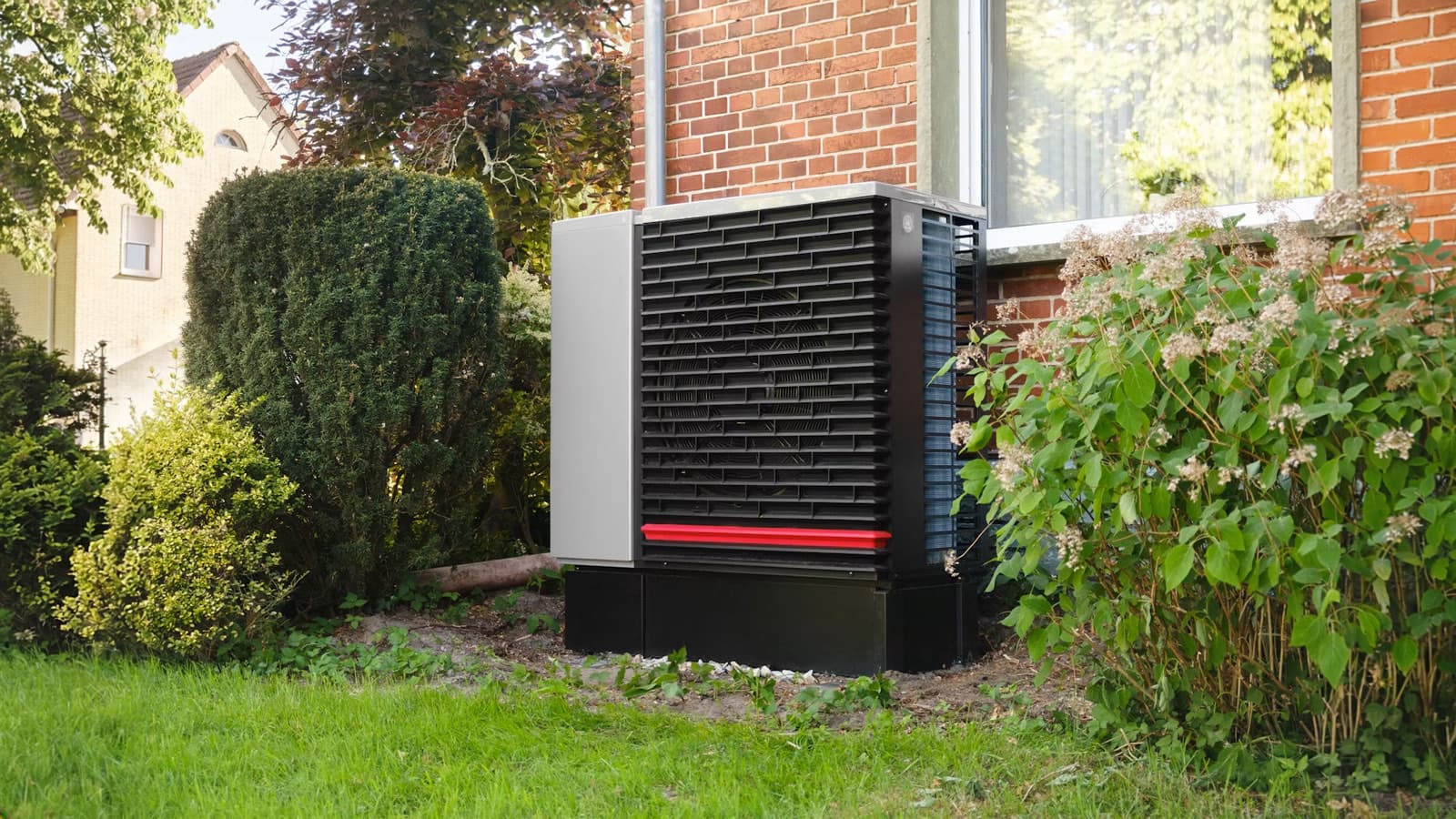
A new HVAC system is usually a one-time expense rather than a recurring bill, so this calculator weighs the total cost against about three months of your budget instead of a single month's income. Heat pumps installed in place of a furnace can qualify for a federal tax credit worth up to $2,000, which is worth asking a contractor about if you're weighing electric options against a standard gas system.
These key factors affect HVAC affordability
Income and expenses
The total system cost matters less by itself than what's left in your budget once your regular bills and existing debt are factored in, and that's the number this actually gets compared against.
System type and size
A standard central air conditioner or gas furnace usually costs less than a heat pump, and a heat pump costs less than a ductless mini-split sized for the same square footage, though a heat pump has the advantage of handling both heating and cooling with one system. Correct sizing comes from a Manual J load calculation, not a rough estimate based on square footage alone, and a system that's undersized or oversized for the home will run less efficiently and wear out sooner no matter how good the equipment itself is. Old, leaky, or undersized ductwork can also add meaningfully to the project if it needs to be resealed or replaced alongside the new equipment.
Urgency
Replacing a system on your own timeline leaves room to compare quotes, financing, and rebates. Waiting until a system fails outright, often during the exact heat wave or cold snap that pushes it past its limit, tends to mean paying whatever the first available contractor quotes, since comfort and sometimes safety are on the line - one more reason to start pricing a replacement once your current system starts showing its age.
How to use your results
- Get a few contractor quotes, since installed cost for a comparable system varies a lot.
- Ask about energy efficiency rebates, which some utilities and manufacturers offer.
- Include your existing debt for a realistic picture of what's actually left to spend.
Ways to lower the cost of a new HVAC system
- Replace an aging system before it fails, when you have time to compare quotes rather than needing an emergency install.
- Check for manufacturer, utility, or tax rebates on energy-efficient systems.
- Get multiple contractor bids, since installed pricing for the same system varies meaningfully.
- Ask about financing through the manufacturer, which sometimes beats a general home improvement loan.
More home improvement calculators
Sources
Bureau of Labor Statistics (median income by age, shown in the sidebar), Experian (credit score by age, shown in the sidebar) - starting points to compare against, not real-time quotes.
Nothing added yet - add something to see your risk.