Want the occasional useful email?
New calculators, updated cost data, and the occasional money-saving guide. No account needed, and you can leave any time.
By Alex Diaz · How we calculate this
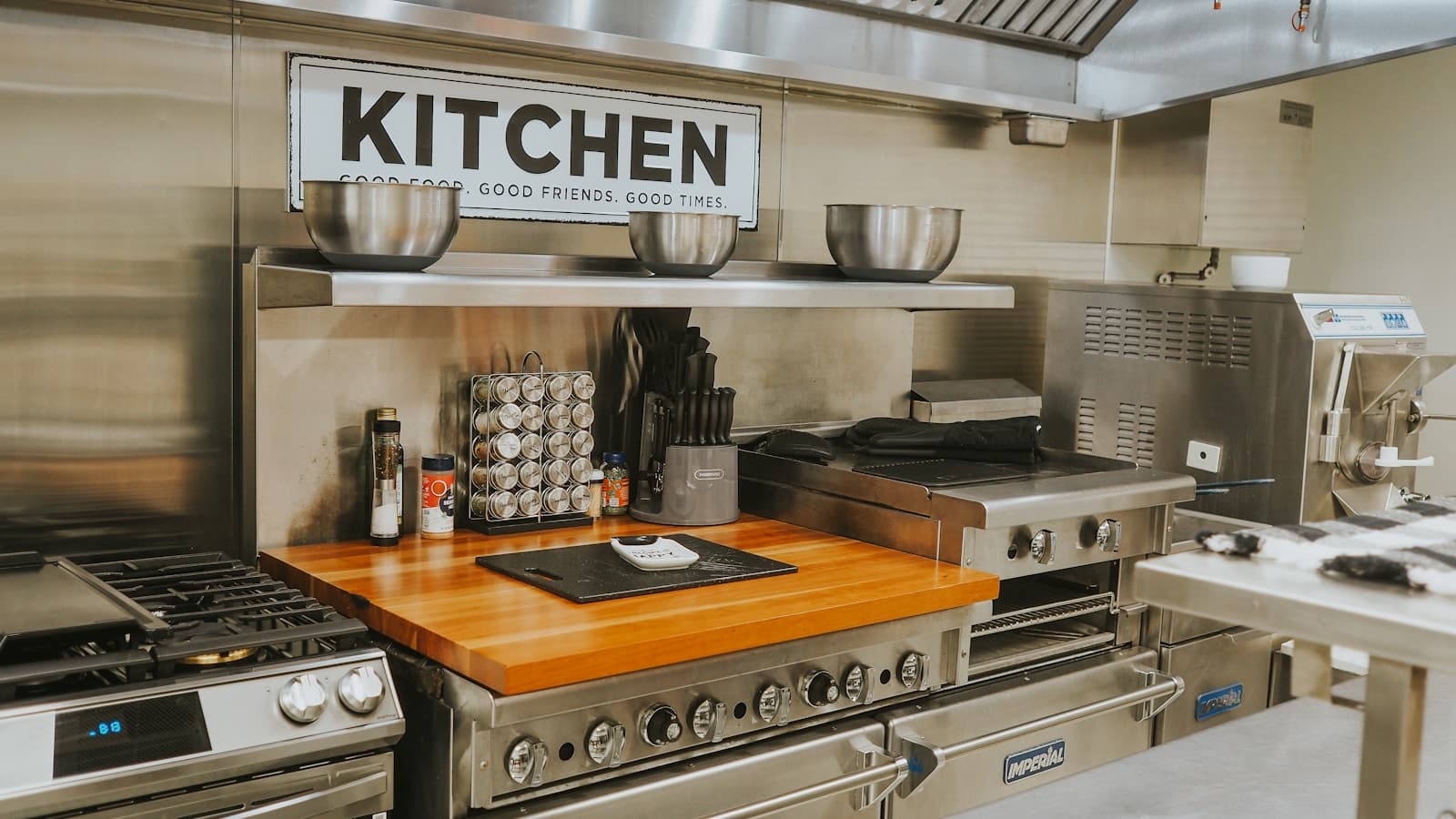
Renting time in a shared commissary kitchen is what lets a lot of food businesses skip the buildout a standalone commercial kitchen would demand, at a fraction of the cost and with zero construction. Most operators pay by the hour, commonly $15 to $40 depending on the market and what equipment comes with the room, or they pay a flat monthly membership for a bucket of hours instead. Either way it's a recurring line item, so the monthly amount gets checked against your income and existing debt the way any other regular bill would be.
These key factors affect commercial kitchen rental affordability
Hourly versus membership pricing
Hourly rates at shared kitchens generally run $15 to $40, and the spread comes down to equipment, market, and whether you're booking prime daytime hours or the slower overnight shift. A business that only needs the space a few days a month usually comes out ahead paying hourly. One that's in the kitchen five or six days a week almost always outgrows hourly pricing and saves by switching to a flat membership.
Storage and equipment access included in the rate
Read the fine print on what the quoted rate actually buys before comparing it to another kitchen's price. Some memberships bundle in dry storage, a walk-in cooler shelf, and freezer space; others charge for each separately, so a kitchen with the lower headline number can end up costing more once storage and dish-washing fees get added back in.
Scheduling conflicts in a shared space
You're not the only tenant, so the best slots, early morning and weekend prep windows especially, fill up fast and get harder to book as a kitchen's roster of members grows. Getting pushed into odd overnight hours doesn't show up as a line item anywhere, but it caps how much you can actually produce in a given month, and that ceiling matters just as much as the rent when you're deciding whether the space pencils out. Worth checking before signing anything: your business still needs its own health department permit and food safety certification to legally operate there, since the landlord's permit for the facility doesn't cover you.
How to use your results
- Compare the monthly rental cost against the revenue your kitchen time is expected to generate, not just against your income alone.
- If you're just starting out, use hourly pricing to test demand before committing to a fixed monthly membership.
- Confirm what's included in the quoted rate (storage, equipment, cleaning) before comparing it against a competing kitchen's price.
Ways to make a commercial kitchen rental more affordable
- Start with hourly or pay-as-you-go access instead of a full monthly membership until your production volume justifies the fixed cost.
- Book off-peak hours (late night or early morning) when kitchens often offer discounted rates due to lower demand.
- Split a membership with another food business whose peak prep hours differ from yours to share the fixed monthly cost.
- Negotiate a multi-month contract for a lower effective rate once you're confident in your ongoing kitchen usage.
More career & life changes calculators
Peer comparison data
Bureau of Labor Statistics (median income by age), Experian (credit score by age)
Used by the “how you compare” figures in the sidebar, not by the costs on this page.
Every figure on this site, with its source and the date it was last verified
How you compare
Income
Credit score
Nothing added yet - add something to see your risk.