Want the occasional useful email?
New calculators, updated cost data, and the occasional money-saving guide. No account needed, and you can leave any time.
By Alex Diaz · How we calculate this
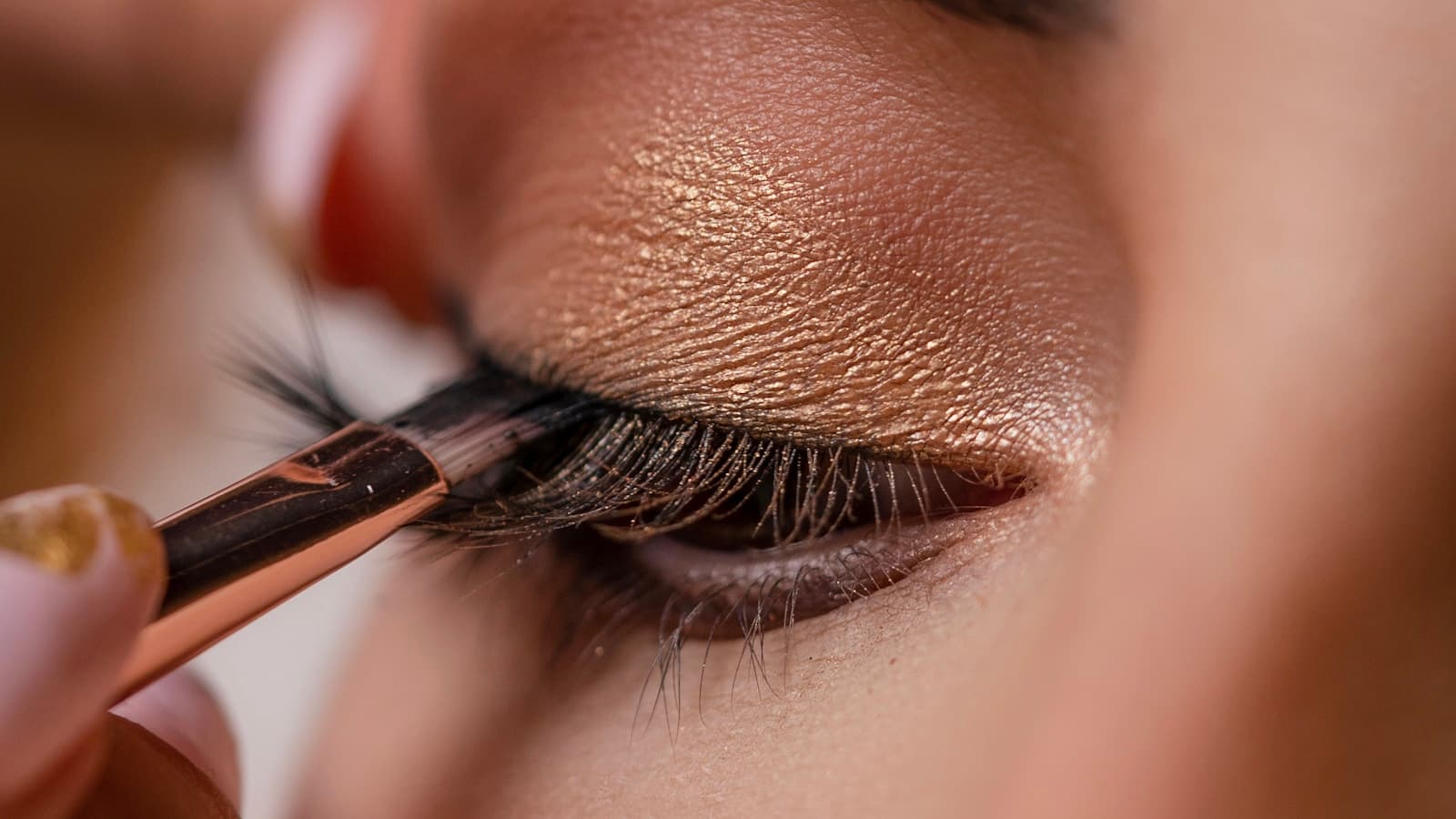
How long cosmetology school takes depends entirely on your state: some require as few as 1,000 clock hours, others 1,600 or more, and that swing alone can mean the difference between nine months and a year and a half of full-time study before you're eligible to sit for a license. Most students go the traditional beauty-school route, though a smaller number of states let you log required hours as a paid apprentice under a licensed stylist instead, trading a slower timeline for a much lower tuition bill.
These key factors affect cosmetology license affordability
Required hours drive both the timeline and the price
A cosmetology program in a 1,000-hour state can be finished in under a year; the same license in a state requiring 1,600 hours or more stretches closer to a year and a half, even at a full course load. Accredited beauty schools charge $8,000 to $20,000 for that training, kit of tools included, and the hour requirement is really what drives the tuition total more than any individual school's pricing. A handful of states also recognize an apprenticeship pathway, where hours are earned working under a licensed cosmetologist instead of sitting in a classroom, which can cut the sticker price substantially at the cost of a longer runway to licensure.
State board exam and license fees come after tuition is already paid
Finishing school just gets you to the starting line. Graduates still sit for a combined written and practical state board exam, typically $100 to $200 total, then pay $50 to $150 for the initial license application. Renewal comes due every one or two years after that for another $50 to $100, so the license carries a small ongoing cost long after tuition is paid off.
Early income often depends on booth rent or commission, not a salary
BLS puts median pay for hairdressers and cosmetologists around $29,000 to $35,000 a year, but almost nobody earns that in month one. New stylists typically start on commission, keeping 40% to 60% of what a service brings in, or rent a booth from a salon for $150 to $500 a week regardless of how many clients show up. Either way, it takes months of steady bookings and tip income before pay looks anything like the median.
How to use your results
- Confirm your state's required clock hours before entering a tuition estimate, since it changes both program length and price
- Factor in the kit fee for tools and products, which many schools bundle separately from tuition
- Use the result alongside a realistic first-year income estimate that accounts for booth rent or commission, not the median salary
- Plan for several months of building a client base after licensing before income becomes steady
Ways to make a cosmetology license more affordable
- Compare community college cosmetology programs to private beauty schools, since tuition for the same required hours can differ significantly
- Ask schools about payment plans or in-house financing instead of taking on a private loan
- Look for salons offering an apprenticeship or assistant model, which can reduce or defer booth rent while you build clientele
- Check for state or workforce development grants aimed at licensed trades, which sometimes cover cosmetology tuition
More career & life changes calculators
Peer comparison data
Bureau of Labor Statistics (median income by age), Experian (credit score by age)
Used by the “how you compare” figures in the sidebar, not by the costs on this page.
Every figure on this site, with its source and the date it was last verified
How you compare
Income
Credit score
Nothing added yet - add something to see your risk.