Want the occasional useful email?
New calculators, updated cost data, and the occasional money-saving guide. No account needed, and you can leave any time.
By Alex Diaz · How we calculate this
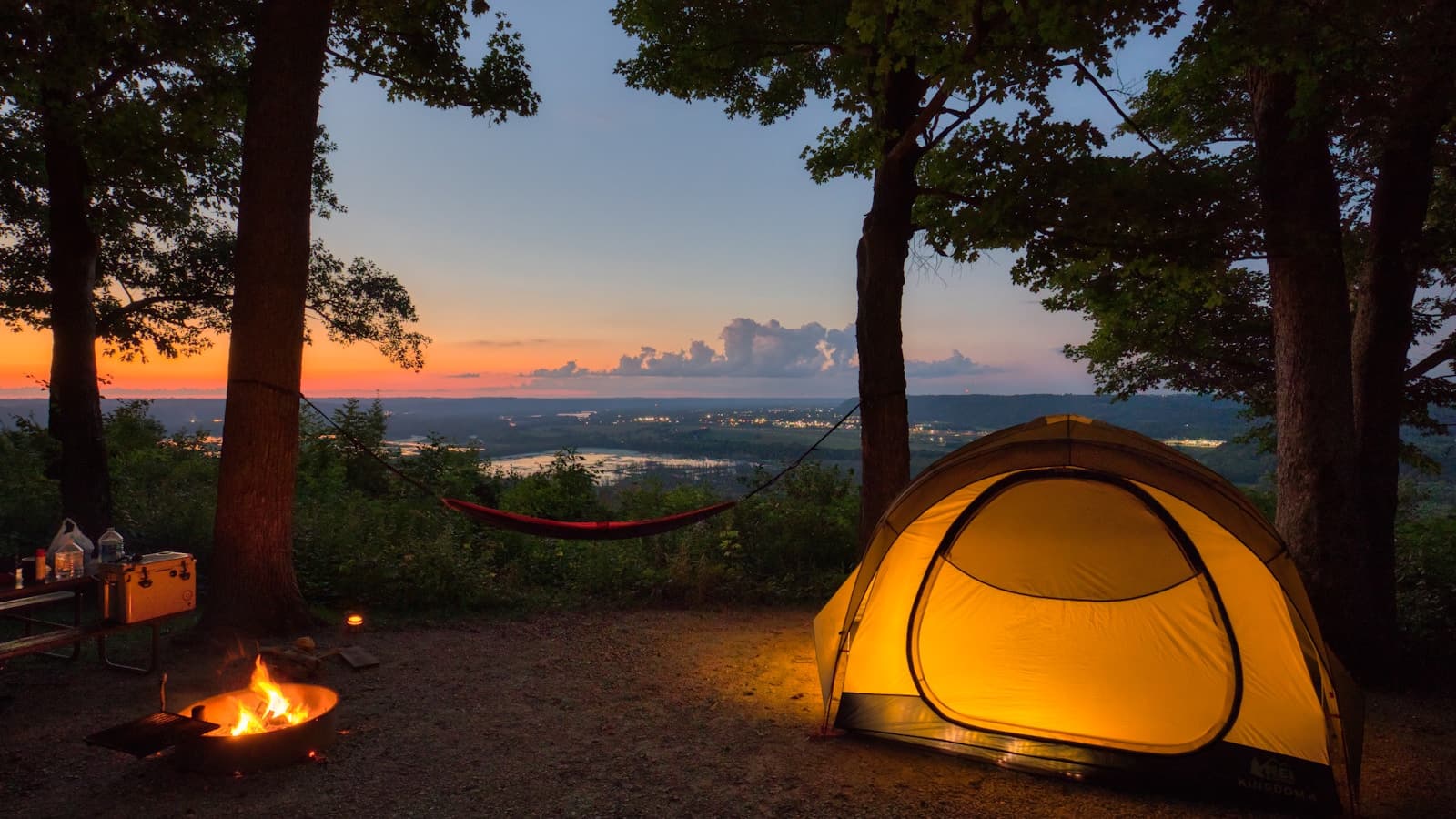
A basic campsite at a state or national park typically costs $20 to $50 a night. Once you already own the gear, that makes camping one of the cheapest overnight trips there is, often cheaper than a budget motel in the same area. Since a camping trip is a one-time cost, your estimate weighs the total you enter against roughly three months of your budget rather than a single month's income.
These key factors affect camping trip affordability
Campsite fees are low but not free
State and national park campsites typically run $20 to $50 a night, which is affordable on its own. The catch is booking one: popular parks often require reserving through Recreation.gov or a similar system months ahead, and the most in-demand sites can fill up within minutes of a new booking window opening. On top of the nightly rate, national park vehicle entrance fees, usually $30 to $35 per visit, are billed separately and easy to forget when you're only pricing out the campsite.
Gear is a one-time investment if you're starting from scratch
A basic setup, tent, sleeping bags, a cooler, and a camp stove, commonly costs $300 to $600 new. Renting gear or borrowing from friends can bring that first trip's cost down substantially, and plenty of outdoor retailers now rent full kits by the weekend if you'd rather try camping before buying anything. Once you own the gear, every future trip only needs to cover site fees, food, and gas, which is a big part of why camping gets cheaper the more often you do it.
Cooking your own food is where camping saves real money
Preparing meals at the campsite instead of eating out typically costs $15 to $25 per person per day, compared to $50 or more for the same three meals at restaurants. That gap, more than the free campsite view, is usually what makes camping one of the cheapest trip categories on a per-day basis, even after you account for gear.
How to use your results
- A low risk score is typical for camping trips, since site fees and food are modest compared to most vacation types
- A higher score usually signals you're including a first-time gear purchase, which is a reasonable one-time cost to spread across future trips
- Separate reusable gear costs from consumable trip costs like fuel and food when deciding what to enter
- Factor in the park entrance fee and any reservation fees on top of the nightly campsite rate
Ways to make a camping trip more affordable
- Rent or borrow gear for your first trip instead of buying everything new upfront
- Cook meals at the campsite rather than driving into town for restaurants
- Look into an annual national parks pass if you plan to camp at multiple parks in the same year, since it often pays for itself after a few visits
- Choose a state park or dispersed camping area over a more popular national park to avoid premium site fees
- Camp with another family or group of friends to split fuel and shared gear like a stove or lantern
More travel calculators
Peer comparison data
Bureau of Labor Statistics (median income by age), Experian (credit score by age)
Used by the “how you compare” figures in the sidebar, not by the costs on this page.
Every figure on this site, with its source and the date it was last verified
How you compare
Income
Credit score
Nothing added yet - add something to see your risk.