≈ $60,000 down
Ongoing housing costs
Estimated total
$1,651/mo
Want the occasional useful email?
New calculators, updated cost data, and the occasional money-saving guide. No account needed, and you can leave any time.
By Alex Diaz · How we calculate this
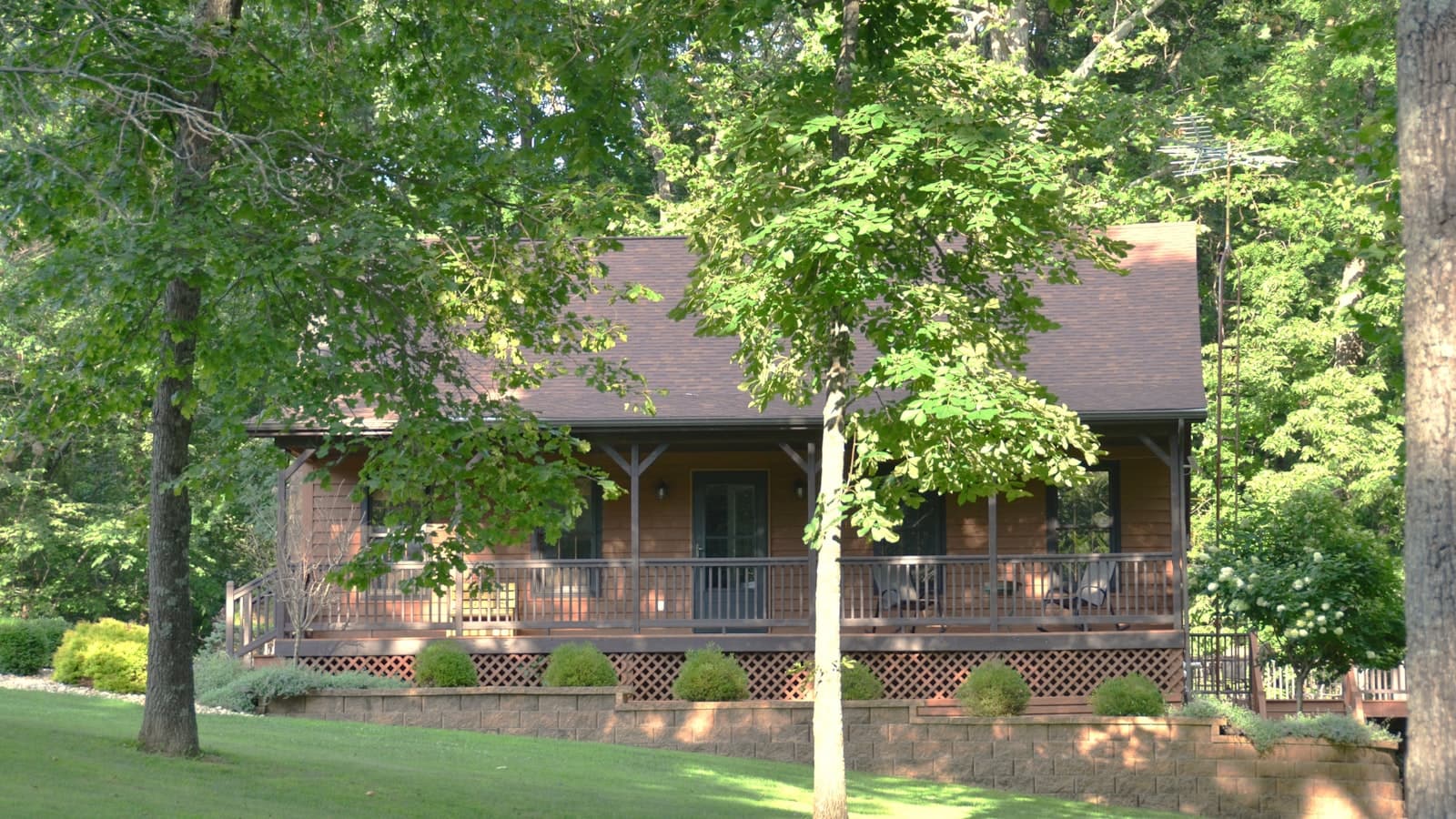
Lenders often classify a cabin without year-round road access, plumbing, or heating as recreational property rather than a standard home, which can mean a larger required down payment and a higher rate than a typical mortgage. This calculator combines the cabin's price, down payment, interest rate, and loan term you enter into a monthly payment and weighs that against your income and credit profile to gauge how risky the purchase would be.
These key factors affect cabin affordability
Income and expenses
If you already have a primary residence, a cabin payment stacks on top of it rather than replacing anything, which is exactly why it gets weighed against your income alongside every other debt you've logged instead of being judged on its own.
Credit score
Loans for a second home or rural property are often underwritten more conservatively than a primary residence mortgage, and a lower credit score has a bigger effect on your rate here as a result.
Access, utilities, and land
Remote cabins sometimes rely on a well, septic system, or propane rather than municipal utilities, and road access can affect both the mortgage and insurance. Some conventional lenders won't finance a property without year-round road access or a permanent foundation at all, which is part of why cabin buyers end up at a local bank or credit union more often than a big national one. It's worth understanding these details before assuming the sale price is the whole story.
Down payment and loan term
Lenders commonly require more down for a second home or rural property than for a primary residence, which shrinks the loan but requires more cash upfront.
Seasonal use and upkeep
A cabin that sits empty part of the year still needs winterizing, insurance, and periodic upkeep, and it's worth being honest about how often you'll actually use it before committing to the payment.
How to use your results
Try adjusting the inputs to see what actually moves your risk score:
- Down payment - second-home and rural loans often require more down than a primary mortgage.
- Existing debt - include your primary mortgage if you're carrying one alongside this purchase.
- Ongoing costs - price out utilities, septic, and winterizing separately from the loan payment.
Ways to increase how much cabin you can afford
- Pay down existing debt before taking on a second property loan.
- Save for a larger down payment, since second-home loans often require more down.
- Consider renting the cabin out part of the year to help offset the payment and upkeep.
- Factor in well, septic, or propane costs before you buy, not after, for an accurate monthly picture.
More housing calculators
Peer comparison data
Bureau of Labor Statistics (median income by age), Experian (credit score by age)
Used by the “how you compare” figures in the sidebar, not by the costs on this page.
Every figure on this site, with its source and the date it was last verified
How you compare
Income
Credit score
Nothing added yet - add something to see your risk.