≈ $30,000 down
Estimated total
$2,023/mo
Want the occasional useful email?
New calculators, updated cost data, and the occasional money-saving guide. No account needed, and you can leave any time.
By Alex Diaz · How we calculate this
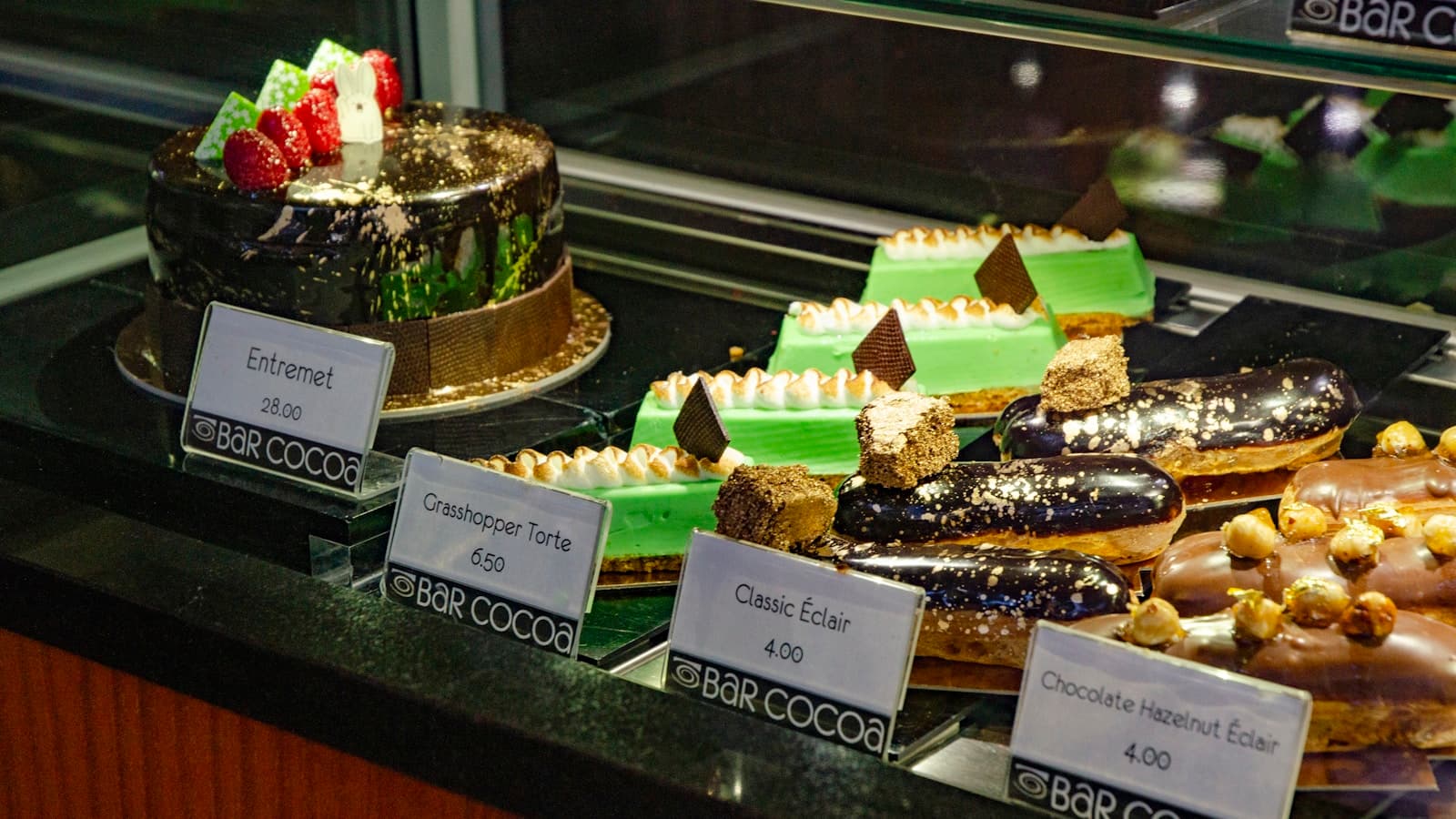
A commercial oven alone can run $10,000 to $40,000 depending on capacity, and that's before proofers, mixers, and refrigerated cases join it - plus the ventilation and grease-trap work code requires behind all of it, which is how a small storefront buildout lands in six figures before the first loaf sells. Bakeries are almost always financed, so this calculator converts the price, down payment, rate, and term you plug in into a monthly payment and lines that up against your income.
These key factors affect bakery affordability
Equipment and buildout costs
Ovens and proofers are the biggest line items, but they're rarely the biggest surprise. That's usually the buildout required to legally run a commercial kitchen: a grease trap, a ventilation hood sized to the equipment, hand-wash sinks, and flooring that can pass a health inspection. New equipment plus a modest storefront buildout together commonly land around $150,000, the default used here. A bakery starting out of a shared or existing commercial kitchen can spend a fraction of that.
Licensing and food safety compliance
A retail bakery needs a food service license and a health department permit before opening, and in many states a certified food protection manager on staff. Inspections keep happening after the doors open too, and failing one can mean an unplanned repair on short notice - a grease trap that needs replacing, a cooler that's stopped holding temperature - so it's worth keeping a repair fund separate from whatever the loan payment already covers.
Thin margins and food costs
Flour, butter, eggs, dairy, and packaging alone typically eat 25% to 35% of revenue before labor or rent even enter the picture, and after those, retail bakeries commonly land at net margins of just 4% to 9%. That's an industry-wide reality rather than a sign anyone did something wrong, but it does mean a loan sized against a hoped-for busy season, rather than a realistic opening year, can put real strain on a new bakery.
How to use your results
- Use the risk score as a check on whether the loan payment fits realistic first-year revenue, not a projected best-case month
- Keep several months of operating cash on hand since bakery sales often build slowly as a customer base forms
- Recheck affordability if you plan to add staff or a second location before the loan is paid down
Ways to increase how much bakery you can afford
- Buy used commercial equipment or lease equipment instead of financing everything new upfront
- Increase the down payment above 20% to lower the loan balance and reduce monthly payments
- Start with a smaller footprint or a shared commercial kitchen before committing to a full storefront buildout
- Compare SBA 7(a) loan terms against conventional small business loans, since SBA-backed rates and terms are often more favorable for food service startups
More career & life changes calculators
Sources
U.S. Small Business Administration (typical small-business loan rate)
Starting points to compare against, not real-time quotes.
Peer comparison data
Bureau of Labor Statistics (median income by age), Experian (credit score by age)
Used by the “how you compare” figures in the sidebar, not by the costs on this page.
Every figure on this site, with its source and the date it was last verified
How you compare
Income
Credit score
Nothing added yet - add something to see your risk.