≈ $100,000 down
Estimated total
$5,397/mo
Want the occasional useful email?
New calculators, updated cost data, and the occasional money-saving guide. No account needed, and you can leave any time.
By Alex Diaz · How we calculate this
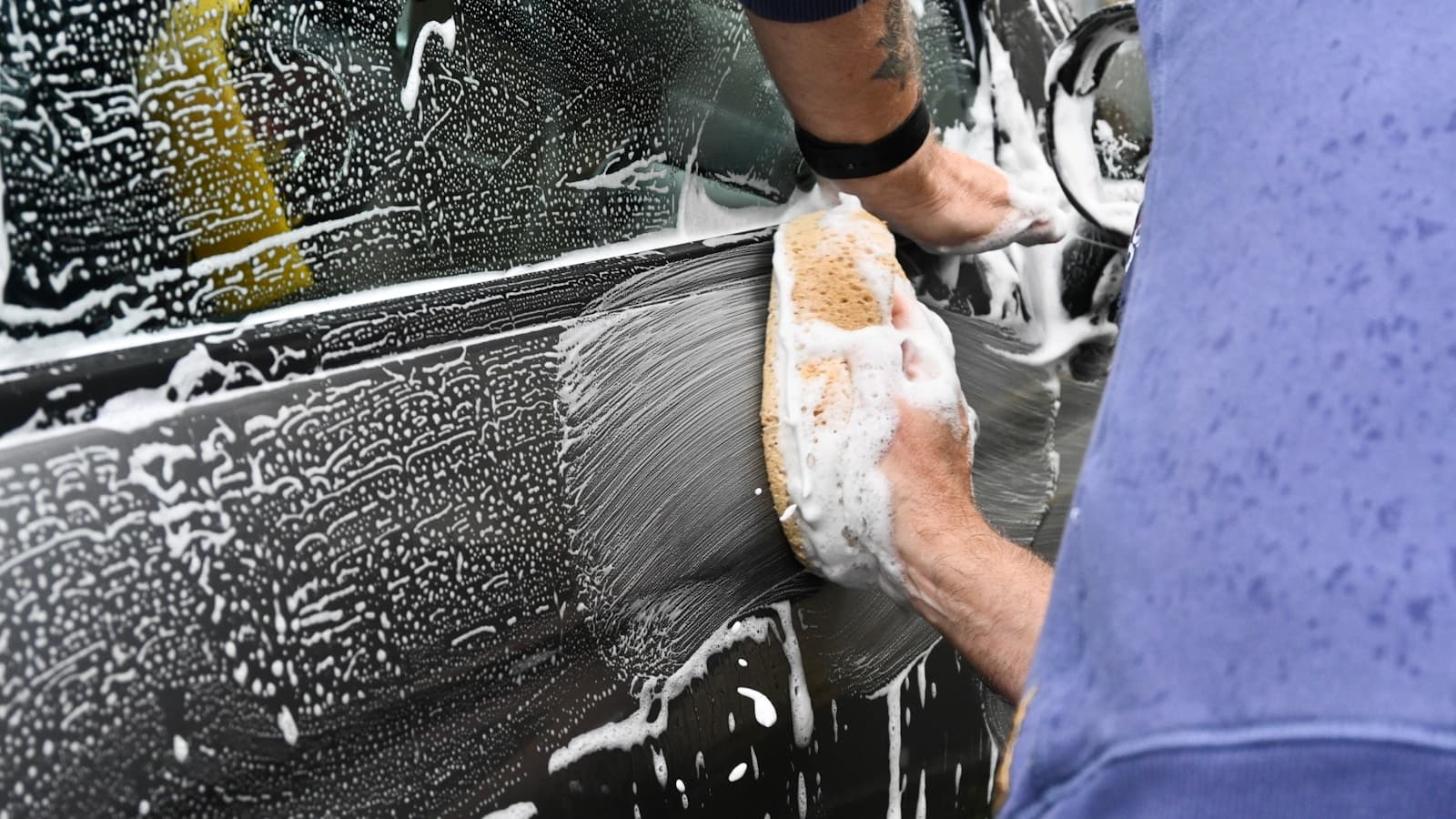
Wash tiers aren't interchangeable investments. A self-service bay setup with a handful of vacuum stations costs a fraction of what a full tunnel wash with a conveyor and a water reclaim system runs, so the price tag varies enormously depending on which kind of car wash is actually on the table. Most buyers finance the purchase, and what the lender is really underwriting is the site and the equipment together, not just a building.
These key factors affect car wash business affordability
Financing structure and down payment
Car wash purchases are usually financed through an SBA 7(a) loan or a conventional bank loan secured by both the real estate and the equipment inside it, which is part of why a 20 percent down payment, $100,000 in this example, is typical rather than the smaller amount you'd see on a standard commercial mortgage. Lenders dig into a couple years of revenue history and equipment condition before approving anything, since a wash's value is really the site plus its existing customer base, not just the buildings on it.
Membership programs drive modern profitability
Unlimited monthly membership plans took over the industry's economics over the past decade. A wash with a mature base of subscribers is a fundamentally different business than one living off one-time washes alone. Ask for subscriber counts and churn, not just trailing revenue - recurring membership dues are what make a loan payment predictable to cover through a slow month.
Water, chemical, and location costs
Self-serve bays are the cheapest way into the business by far, a handful of coin-op stalls and a pressure system, while an automatic in-bay unit costs more, and a full tunnel wash with conveyor, dryers, and a reclaim system sits at the top of the range. Water use is a real regulatory issue in drought-prone states, where reclaim systems that filter and reuse rinse water aren't an optional upgrade but a permit condition. Chemicals and labor scale on top of that with traffic - a wash on a busy corridor supports a much bigger loan payment than an identical setup somewhere quiet.
How to use your results
- A lower risk score means the monthly loan payment fits comfortably even before accounting for the upside of a growing membership base.
- A higher risk score is a signal to look closely at the wash's existing subscriber numbers and location traffic count, since both drive whether monthly revenue reliably covers the loan payment.
- Compare the loan term options here - a 15-year term eases monthly cash flow pressure, while a 7-year term builds equity faster if the business cash flow supports it.
Ways to increase how much car wash business you can afford
- Increase your down payment beyond 20 percent if possible, since it directly lowers both your loan amount and monthly payment.
- Prioritize car washes with an established membership program, since predictable subscription revenue makes lenders and you more comfortable with a larger loan.
- Choose a longer loan term, like 15 years, to reduce the monthly payment, especially in the early years while you're still building customer volume.
- Negotiate the purchase price down based on the age of tunnel equipment and water reclaim systems, since older infrastructure often needs near-term capital investment beyond the loan itself.
More career & life changes calculators
Sources
U.S. Small Business Administration (typical small-business loan rate)
Starting points to compare against, not real-time quotes.
Peer comparison data
Bureau of Labor Statistics (median income by age), Experian (credit score by age)
Used by the “how you compare” figures in the sidebar, not by the costs on this page.
Every figure on this site, with its source and the date it was last verified
How you compare
Income
Credit score
Nothing added yet - add something to see your risk.