≈ $100,000 down
Estimated total
$5,397/mo
Want the occasional useful email?
New calculators, updated cost data, and the occasional money-saving guide. No account needed, and you can leave any time.
By Alex Diaz · How we calculate this
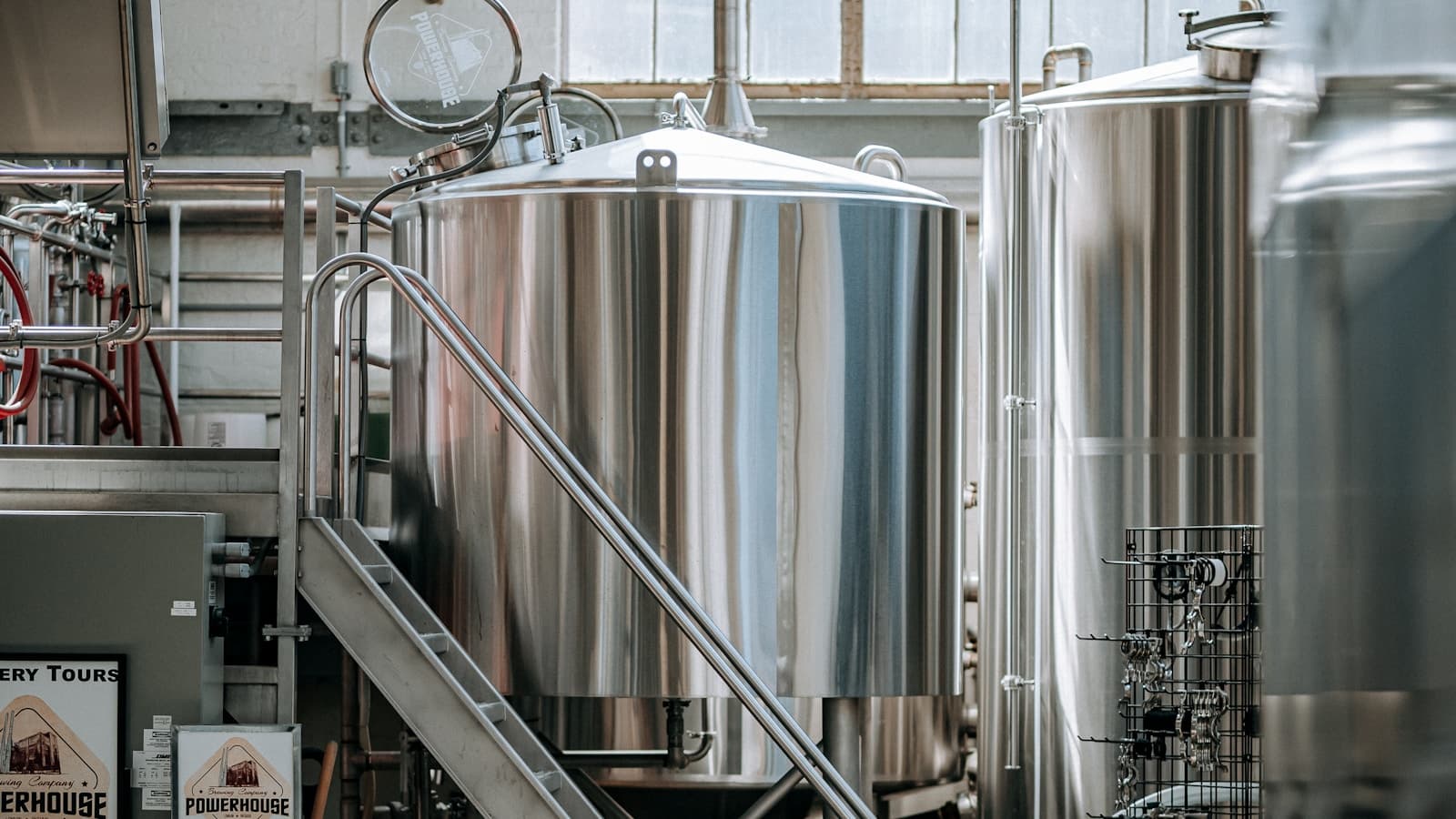
Tanks are the real capital sink here: a 7 to 15 barrel brewhouse with fermenters, a kegging line, and cooler space commonly runs $300,000 to well over $1 million once a taproom buildout gets added on top. That kind of purchase is almost never paid in cash, so this calculator converts the price, down payment, rate, and term you enter into a monthly obligation and measures it against your income.
These key factors affect brewery affordability
Brewing equipment and taproom buildout
Stainless isn't cheap at any scale - fermenters, brite tanks, a kegging or canning line, and the cooler space to hold it all typically make up the single largest chunk of a brewery's startup budget. The $500,000 default fits a small-to-mid production brewery with a modest taproom attached; a large regional operation or a full canning line pushes well past that.
Federal and state licensing
Before a drop can legally be sold, a brewery needs a TTB Brewer's Notice at the federal level plus state and often local manufacturing and retail licenses, and approval can stretch several months with bonding requirements along the way. Federal excise tax adds a real per-barrel cost once production starts too - it's a lower rate under the small-brewer threshold and jumps once annual volume climbs past it, so tax planning matters more here than in most food and beverage businesses.
Distribution laws and a long ramp to profitability
Most states still run alcohol sales through a three-tier system, meaning a brewery generally can't sell directly to retailers or off-site customers without going through a licensed distributor, which shapes how quickly wholesale revenue actually shows up. Add in high fixed costs - rent, utilities, compliance, equipment upkeep - and taproom sales that build gradually rather than all at once, and it's common to carry a real loan payment for years before distribution volume catches up to it.
How to use your results
- Treat a high risk score seriously here, since breweries have some of the highest startup costs and longest ramp-up times of any small business on this list
- Model the loan payment against conservative early taproom revenue, not the sales volume of an established local brewery
- Factor in distribution and wholesale timelines separately, since draft accounts and retail placement typically take time to build
Ways to increase how much brewery you can afford
- Start with a smaller-batch system and scale up equipment as taproom and distribution revenue grow
- Lease brewing equipment or buy used tanks and kegging lines to reduce the upfront purchase price
- Consider contract brewing or a shared production facility before investing in your own full brewhouse
- Increase the down payment beyond 20% where possible, since a smaller loan balance meaningfully lowers monthly risk on a purchase this size
More career & life changes calculators
Sources
U.S. Small Business Administration (typical small-business loan rate)
Starting points to compare against, not real-time quotes.
Peer comparison data
Bureau of Labor Statistics (median income by age), Experian (credit score by age)
Used by the “how you compare” figures in the sidebar, not by the costs on this page.
Every figure on this site, with its source and the date it was last verified
How you compare
Income
Credit score
Nothing added yet - add something to see your risk.