Ongoing costs
Want the occasional useful email?
New calculators, updated cost data, and the occasional money-saving guide. No account needed, and you can leave any time.
By Alex Diaz · How we calculate this
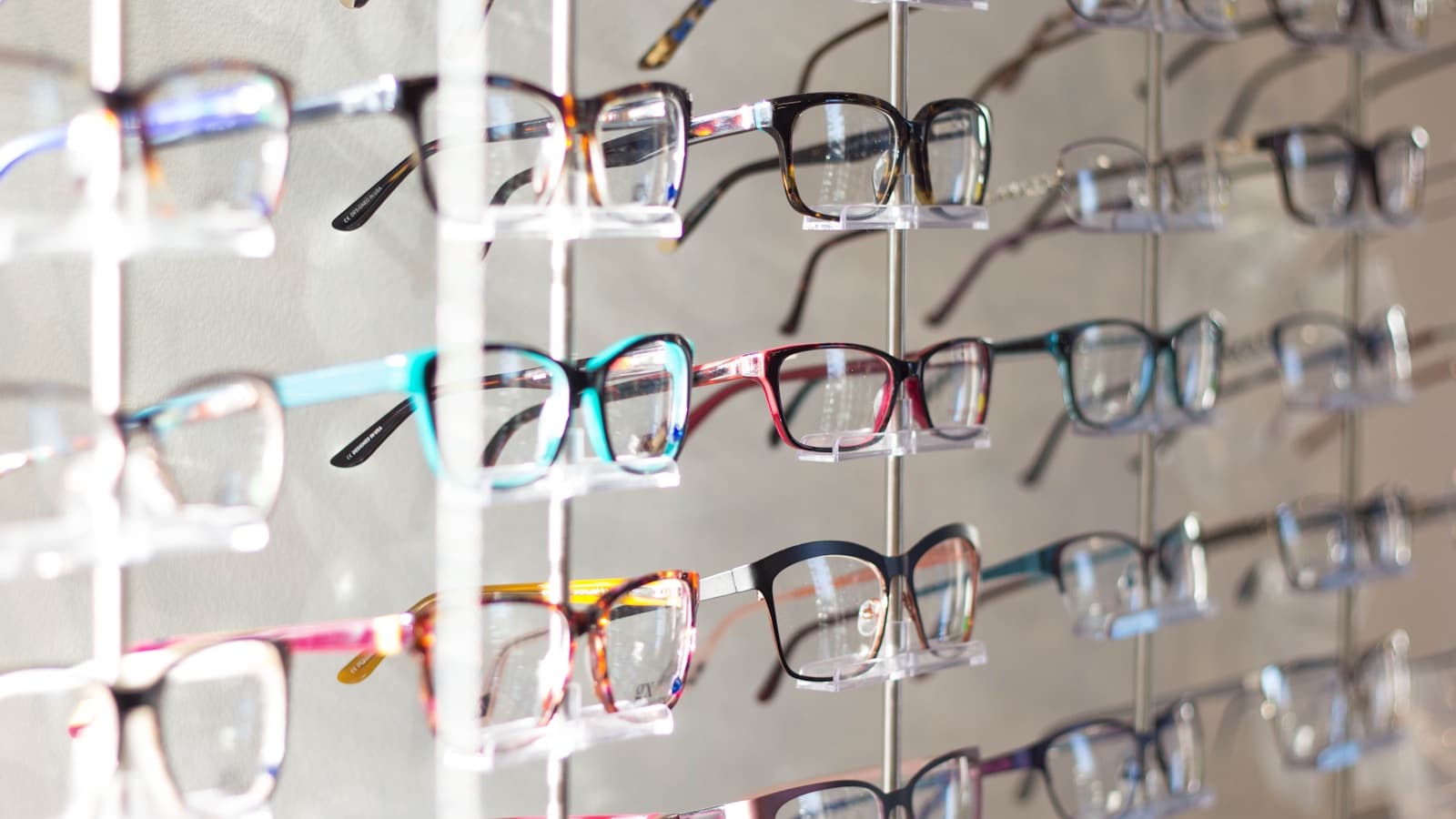
A standalone individual vision insurance plan typically costs $10-$20 a month and covers one eye exam and one set of eyewear a year. Since this is an ongoing monthly cost, the calculator weighs the monthly amount you enter against your income and any existing debt.
These key factors affect vision insurance affordability
Individual vs. family coverage
An individual vision plan typically runs $10-20 a month on its own. Add a spouse and kids to the same plan and the premium can climb to $35-50 a month depending on the insurer, though that's still usually cheaper than buying separate plans for everyone. Coverage for kids often pays for itself in a way adults' coverage doesn't, since children's prescriptions tend to change faster and eye doctors typically recommend a yearly exam through the school-age years.
Annual allowance vs. actual eyewear costs
Most plans provide an annual allowance of $100-200 toward frames and lenses. That covers basic eyewear comfortably, but progressive lenses, anti-glare or blue-light coatings, and designer frames add up fast, and a single pair with those extras can clear $300 even after the allowance is applied. Contact lens wearers have one more thing to check: some plans treat the contacts allowance as separate from the frames allowance, while others make you pick one or the other, and that distinction alone can be worth $100 or more a year depending on how the plan is structured.
How often you actually need new eyewear
Most plans cover one eye exam and one set of eyewear a year, full stop. Whether that's a good deal comes down to how often your prescription actually changes. Stable eyes and frames that don't wear out often mean the premiums add up faster than the savings, and paying cash for an exam every year or two can end up cheaper than staying enrolled.
How to use your results
- If the monthly cost feels high, compare a year of premiums against what you'd pay for one exam and one pair of glasses without insurance.
- Check your plan's frames and contacts allowance separately, since assuming they're combined can lead to an unexpected bill at pickup.
- Revisit the decision annually during open enrollment, since employer-sponsored vision plans are often cheaper than buying one independently.
Ways to make vision insurance more affordable
- Enroll through an employer plan if one is offered, since group rates are almost always cheaper than an individual policy purchased directly.
- Use a flexible spending account or health savings account to pay eyewear costs above your allowance with pre-tax dollars.
- Choose basic frames within your allowance and skip premium coatings unless you genuinely need them for glare or light sensitivity.
- Compare standalone vision plans against a discount vision club membership, which sometimes offers better savings if you rarely file a full claim.
More health & personal care calculators
Peer comparison data
Bureau of Labor Statistics (median income by age), Experian (credit score by age)
Used by the “how you compare” figures in the sidebar, not by the costs on this page.
Every figure on this site, with its source and the date it was last verified
How you compare
Income
Credit score
Nothing added yet - add something to see your risk.