Want the occasional useful email?
New calculators, updated cost data, and the occasional money-saving guide. No account needed, and you can leave any time.
By Alex Diaz · How we calculate this
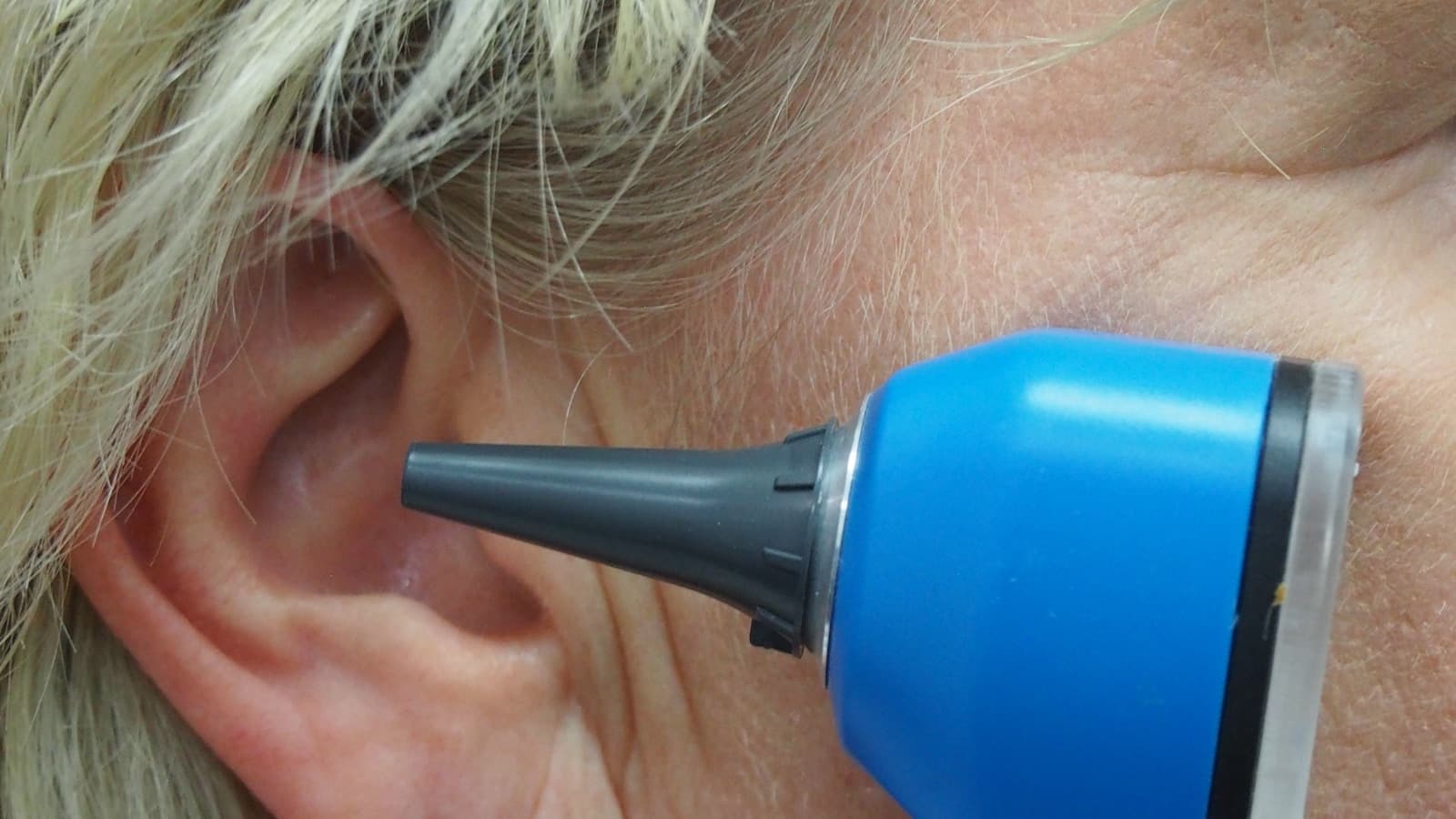
The number that usually gets quoted, $30,000 to $50,000, isn't just the device. It covers surgery, anesthesia, and the follow-up mapping visits needed to actually activate the implant once it's in. The good news: Medicare, Medicaid, and most private insurers cover cochlear implants when audiological testing confirms severe to profound hearing loss. Because this is typically a one-time cost rather than a recurring bill, the calculator weighs the total price you enter against roughly three months of your budget instead of a single month's income.
These key factors affect cochlear implant affordability
Insurance coverage is common but not universal
Coverage is the norm here, not the exception. Medicare, Medicaid, and most private insurers pay for cochlear implants once audiological testing confirms severe to profound hearing loss that hearing aids can't adequately fix. What varies is everything underneath that: prior authorization rules, deductibles, coinsurance, and how a given plan defines "adequately." Get the pre-authorization estimate in writing before scheduling anything. It matters more here than for most procedures, because the gap between being covered and knowing what it actually costs you can be enormous.
Total cost includes far more than the device
Unlike a hearing aid, which amplifies sound, a cochlear implant bypasses the damaged part of the inner ear and stimulates the auditory nerve directly, which is part of why it costs so much more than a hearing aid fitting. That $30,000 to $50,000 figure is really several bills stacked into one: the device, the surgery, anesthesia, the hospital or surgical center fee, and the post-surgery mapping and audiology appointments that calibrate the thing so it actually works. None of these are optional add-ons you could skip to save money, since an unmapped implant doesn't do much of anything.
Ongoing costs after implantation
The internal implant is permanent, but the external speech processor isn't. It typically needs replacing every five to seven years, at $8,000 to $10,000 each if insurance doesn't pick it up, on top of ongoing batteries, accessories, and follow-up audiology visits. Plan for the one-time procedure to be the first of several expenses spread across the device's lifetime, not the last.
How to use your results
- Because insurance often covers a large share, get a pre-authorization estimate from your insurer before assuming you'll pay the full amount entered here.
- If your result shows high risk, ask the surgical center's financial counselor about payment plans, since many hospitals offer interest-free installment options for approved procedures.
- Factor in future processor replacement costs when deciding how much to keep in reserve after the initial procedure.
Ways to make a cochlear implant more affordable
- Get a written pre-authorization and cost estimate from your insurer, since coverage for the device, surgery, and mapping visits can differ from what's advertised.
- Ask the hospital's financial assistance office about charity care or income-based discounts, many nonprofit hospitals offer these.
- Look into manufacturer patient assistance programs offered by cochlear implant makers for uninsured or underinsured patients.
- Check whether your state's vocational rehabilitation program covers hearing devices needed for employment.
More health & personal care calculators
Peer comparison data
Bureau of Labor Statistics (median income by age), Experian (credit score by age)
Used by the “how you compare” figures in the sidebar, not by the costs on this page.
Every figure on this site, with its source and the date it was last verified
How you compare
Income
Credit score
Nothing added yet - add something to see your risk.