Ongoing costs
Want the occasional useful email?
New calculators, updated cost data, and the occasional money-saving guide. No account needed, and you can leave any time.
By Alex Diaz · How we calculate this
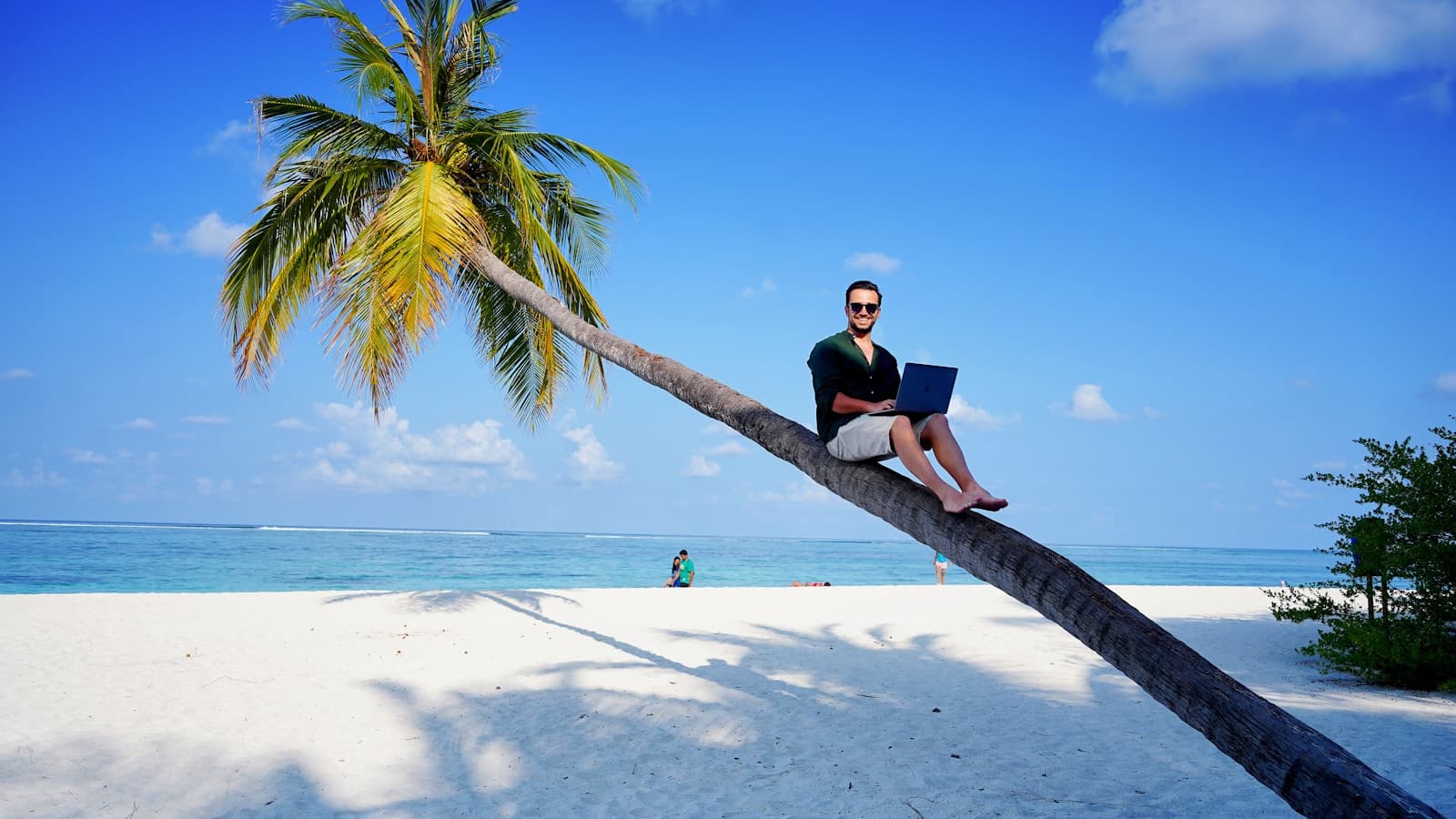
Cost-of-living arbitrage is the whole appeal of this lifestyle, but it only pencils out if you also get the tax and insurance pieces right. Spend more than 183 days in most countries and you trigger local tax residency regardless of what your visa says, and the US taxes citizens on worldwide income no matter where they're sleeping - the Foreign Earned Income Exclusion only shields the first roughly $126,500 of earned income (2024 figures), so anyone earning above that still owes US tax on top of whatever the host country charges. None of that shows up in a headline 'live in Bali for $1,200 a month' budget, and it's exactly the kind of thing that turns a hopeful spreadsheet into a real tax bill.
These key factors affect digital nomad affordability
Health and travel insurance is a separate, non-optional cost
Domestic health insurance almost universally stops working the moment you leave the country, which is why nearly every long-term nomad ends up on a dedicated international plan instead. SafetyWing's Nomad Insurance and Cigna Global are the two names that come up constantly in nomad forums, and pricing typically lands between $100 and $250 a month depending on your age and whether you add dental coverage or a lower deductible. Someone in their late 20s on a bare-bones plan pays toward the bottom of that range; add a decade and a chronic condition and the number climbs fast.
Visa and coworking fees vary a lot by destination
Portugal's D8 visa requires proof of roughly $3,280 in monthly income and an application fee in the neighborhood of $90 to $180, Spain's digital nomad visa carries a similar income threshold with its own notarized paperwork, and Estonia charges around $100 to apply for a visa good for up to a year. Layer a coworking desk on top of any of those and Lisbon, Bali, and Mexico City all land somewhere between $100 and $300 a month for a real desk with reliable wifi, not a table at a coffee shop.
Flights between destinations add up faster than a vacation budget suggests
Budget carriers make a single flight look cheap. Relocate every one to three months, though, and you're also paying for visa runs, checked bags, and last-minute rebookings on a rotating basis - a pattern that averages $300 to $600 a month once the dust settles, well above the one-time flight price most people picture when they imagine working from abroad.
How to use your results
- Fill in realistic numbers for the housing and travel line items rather than the cheapest destination you've read about online
- Treat the flights, insurance, and coworking extras as fixed costs, not occasional ones, since they recur every month you're on the road
- Use the result to sanity-check whether your remote income (or savings runway) can absorb a slower month with fewer client bookings
- Recalculate for each region you're considering, since costs in Southeast Asia and Western Europe can differ by two or three times
Ways to make becoming a digital nomad more affordable
- Choose lower cost-of-living regions (Southeast Asia, Latin America, Eastern Europe) over expensive nomad hubs like Lisbon or Bali
- Slow travel by staying in one place for 2-3 months at a time to cut flight frequency and qualify for monthly rental discounts
- Use a global health and travel insurance plan sized to your actual risk instead of an expensive all-inclusive policy
- Work from cafes or free co-living common spaces some weeks instead of paying for a coworking desk every day
More career & life changes calculators
Peer comparison data
Bureau of Labor Statistics (median income by age), Experian (credit score by age)
Used by the “how you compare” figures in the sidebar, not by the costs on this page.
Every figure on this site, with its source and the date it was last verified
How you compare
Income
Credit score
Nothing added yet - add something to see your risk.