Want the occasional useful email?
New calculators, updated cost data, and the occasional money-saving guide. No account needed, and you can leave any time.
By Alex Diaz · How we calculate this
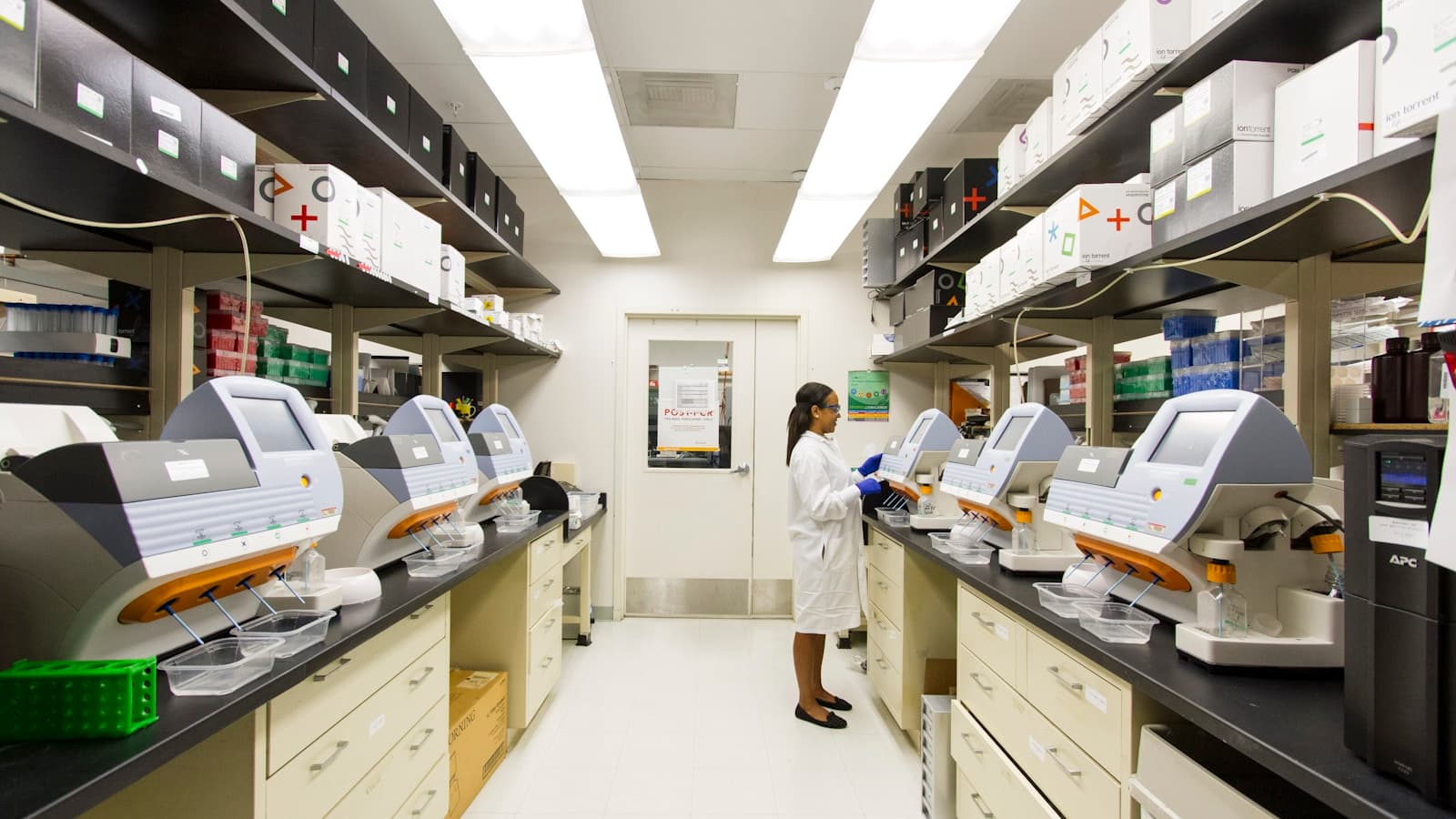
"Stem cell therapy" covers two very different things depending on who's offering it. The FDA has approved a narrow set of stem cell treatments, delivered through bone marrow or cord blood transplants, for specific blood cancers and blood disorders - that's a hospital procedure with real regulatory backing. What most consumer clinics sell for joint pain, sports injuries, or anti-aging sits outside that approval entirely: unproven for those uses, priced however the clinic wants, and running anywhere from around $1,000 for a single injection to $10,000 or more for a multi-session package. The FDA has publicly warned about clinics overselling regenerative claims, so it's worth knowing which category you're actually paying for.
These key factors affect stem cell therapy affordability
FDA approval status and treatment type
Only a small number of stem cell products carry FDA approval, and they're used for blood cancers and blood disorders through bone marrow or cord blood transplantation - a hospital procedure, not an outpatient injection. Treatments marketed for knees, backs, or general anti-aging fall outside that approval. The FDA has sent warning letters to clinics over exactly this gap between what's advertised and what's actually been proven, so read closely before assuming a clinic's claims are backed by anything official.
Insurance essentially never covers it
Orthopedic and cosmetic stem cell treatments are classified as investigational rather than medically necessary, so Medicare and private insurers routinely deny claims for them. Plan to pay cash up front - most clinics require it, and the ones that offer in-house financing are worth reading the terms of very carefully.
Number of sessions and clinic markup
Some clinics quote per joint; others bundle several injections or IV infusions into one package price. Because there's no standardized outcome data across clinics or providers, a higher price tag doesn't reliably signal a better result, which makes this an unusually hard thing to comparison-shop.
How to use your results
- Since this is rarely a medical necessity, treat a high-risk result as a real reason to wait or save longer rather than financing an elective procedure.
- Ask the clinic for a full itemized quote, including any follow-up sessions, since many treatments require multiple rounds before results are noticeable.
- Weigh the cost against proven, often insurance-covered alternatives like physical therapy or corticosteroid injections before committing.
Ways to make stem cell therapy more affordable
- Get quotes from several clinics, since prices for the same procedure can vary by thousands of dollars with no insurance benchmark to compare against.
- Ask your orthopedist about PRP (platelet-rich plasma) therapy as a lower-cost alternative that's sometimes partially covered by insurance.
- Check whether the treatment qualifies for HSA or FSA reimbursement, which can offset the cost with pre-tax dollars.
- Be cautious of clinics pushing package deals or in-house financing with high interest rates, since aggressive sales tactics often signal a treatment with limited clinical evidence behind it.
More health & personal care calculators
Peer comparison data
Bureau of Labor Statistics (median income by age), Experian (credit score by age)
Used by the “how you compare” figures in the sidebar, not by the costs on this page.
Every figure on this site, with its source and the date it was last verified
How you compare
Income
Credit score
Nothing added yet - add something to see your risk.