≈ $10,000 down
Ongoing housing costs
Estimated total
$493/mo
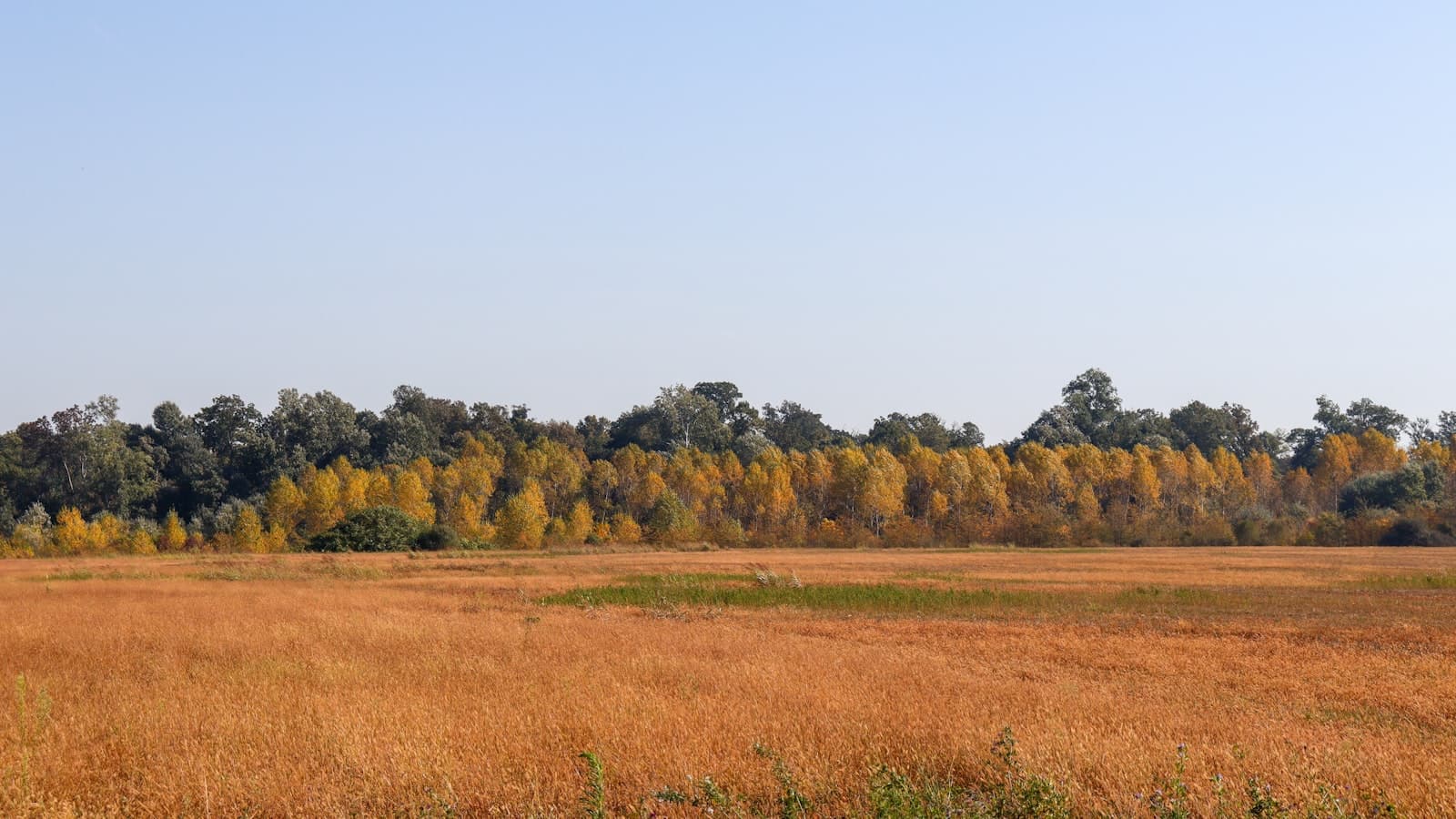
Land doesn't come with a house attached, and that changes how a lender - and this calculator - sizes up the loan. We still start in the same place: household income, existing debt, and credit score. From there, the price, down payment, rate, and term you enter turn into a monthly payment, weighed against what you actually bring home.
These key factors affect land affordability
Income and expenses
A land payment competes with everything else in your budget, so it's weighed against your income together with whatever debt you've already logged, not against your paycheck alone.
Credit score
Lenders generally see land as riskier than a house, since there's no structure to repossess and resell if a loan goes bad. That shows up in the terms: higher rates and stricter credit requirements than you'd see on a comparable mortgage. A weaker credit score ends up moving the needle more here than it would on a typical home loan.
Down payment
Twenty percent down is a common floor for a land loan, and plenty of lenders ask for more than that. Raw, unimproved land is simply harder to resell than a house, so lenders ask you to put more of your own money in upfront to offset that risk. Put down more than the minimum and you'll usually shrink the loan and improve the rate at the same time.
Loan term and interest rate
Shorter terms, higher rates - that's the general shape of a land loan next to a traditional mortgage. Run a couple of term lengths against your own budget before deciding, since the payment swing between them tends to be sharper here than it would be on a 30-year home loan.
Intended use
A landlocked, unimproved parcel with no road, well, or utility hookup gets priced and financed very differently than a lot that already has all three. Planning to build eventually? Price the well, septic, grading, and utility connections as their own project rather than assuming the land purchase covers any of it. Most land loans don't fold construction costs in the way a construction-to-permanent mortgage does, so that's a separate financing conversation with your lender if and when you get there.
Ongoing costs
Land that's just sitting there still costs money every year. Property taxes come due regardless, and depending on where it is, you might also be maintaining a private access road or clearing brush for fire safety. One thing worth checking: some states offer a lower agricultural or open-space tax rate on qualifying land, but you usually have to apply for it rather than receiving it automatically.
How to use your results
Try adjusting the inputs to see what actually moves your risk score:
- Down payment - see how a larger down payment shrinks the loan and often the rate you're offered.
- Loan term - compare a shorter term's higher payment against a longer term's lower one.
- Interest rate - land loan rates vary more between lenders than mortgage rates do, so it's worth shopping around.
- Existing debt - add what you're already carrying for a more realistic picture.
Ways to increase how much land you can afford
- Shop multiple lenders - land loan terms vary more widely than mortgage terms do.
- Save for a bigger down payment, since lenders typically require more down on land than on a home.
- Improve your credit score before applying, since it has an outsized effect on land loan terms.
- Ask sellers about owner financing, which some land sellers offer with more flexible terms than a bank.
- Pay down existing debt to improve your debt-to-income ratio before applying.
More housing calculators
Sources
Bureau of Labor Statistics (median income by age, shown in the sidebar), Experian (credit score by age, shown in the sidebar) - starting points to compare against, not real-time quotes.
Nothing added yet - add something to see your risk.