Want the occasional useful email?
New calculators, updated cost data, and the occasional money-saving guide. No account needed, and you can leave any time.
By Alex Diaz · How we calculate this
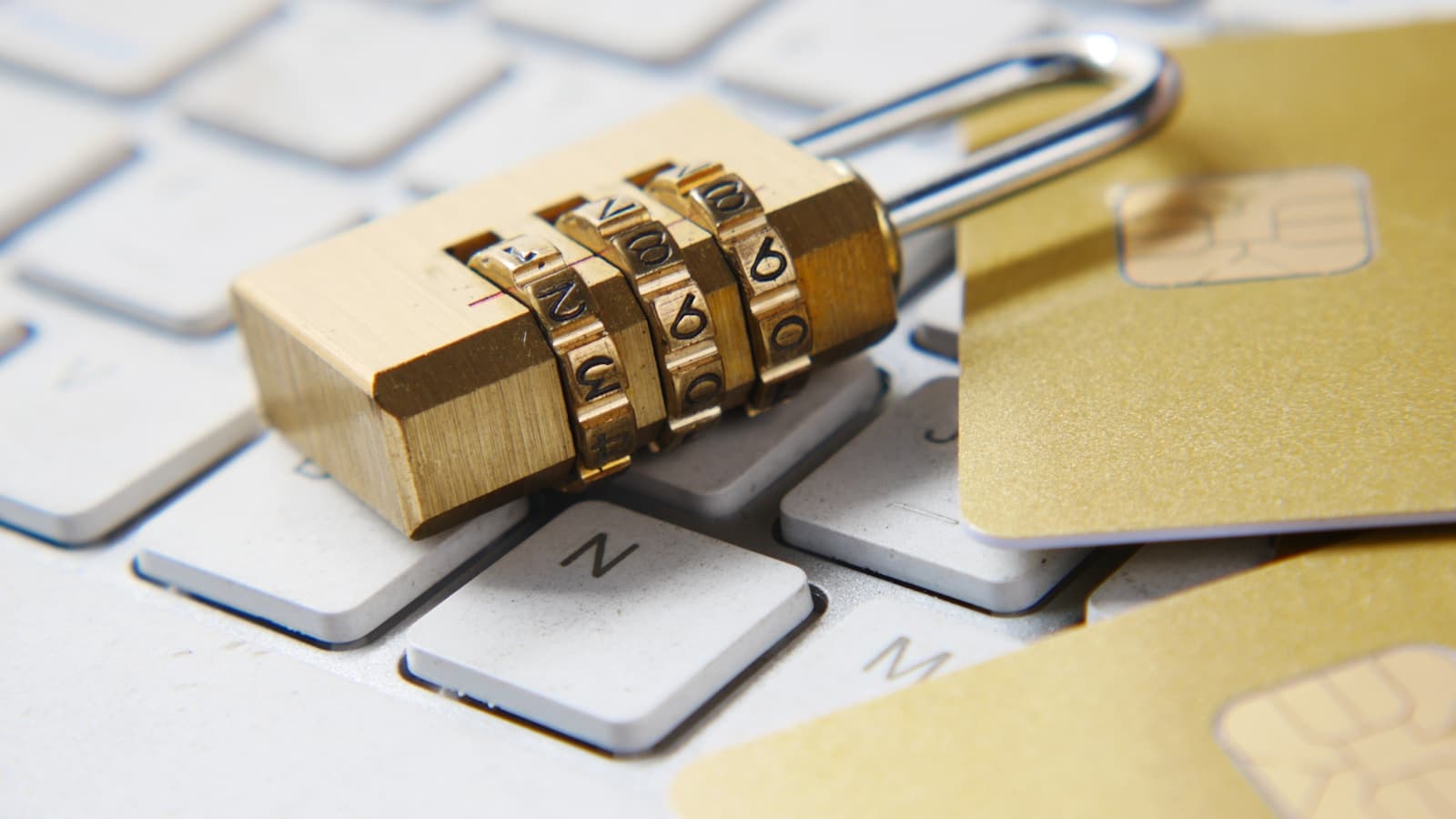
Many banks, credit card issuers, and past data-breach settlements already provide some free credit monitoring, so it's worth checking what you have before paying for a paid identity theft protection plan. This estimate weighs the monthly amount you enter against your income and any existing debt, showing how much room it would leave in your budget.
These key factors affect identity theft protection affordability
Monitoring scope
Coverage scope varies more than most buyers realize. A basic plan might monitor just one of the three credit bureaus, while a premium tier watches all three plus dark web marketplaces and flags Social Security number misuse, and that broader net typically costs two to three times more per month. It's worth remembering that monitoring of any kind is reactive, telling you after your information has already surfaced somewhere, unlike a credit freeze, which is free and blocks new accounts from being opened in your name in the first place.
Insurance reimbursement and restoration services
A lot of the sticker price buys restoration effort, not the insurance figure advertised in bold print. Many services do include identity theft insurance ranging from $25,000 to $1 million to reimburse stolen funds, lost wages, and legal fees, but that ceiling is rarely the part that matters, since most real cases cost far less to resolve than the headline limit suggests. What you're actually paying for is a restoration specialist who files the paperwork, calls the bureaus, and contacts creditors on your behalf, and that hands-on legwork is usually what separates a higher-priced plan from a free credit monitoring app that just sends alerts.
Family or household plans
Family plans usually price out cheaper per person than buying separate individual subscriptions for a spouse and each child. Kids are actually a smart place to add coverage: a minor's Social Security number often sits completely unused for a decade or more, so fraud on a child's identity frequently goes unnoticed until they apply for a first credit card, take out a student loan, or file for financial aid, years after the theft happened.
How to use your results
- Check whether your bank, credit card, or a past data-breach settlement already provides free monitoring before paying for it.
- Compare a basic single-bureau plan against a full tri-bureau, dark-web plan to see the cost difference.
- Factor in a family plan if you'd otherwise be paying for individual subscriptions for multiple household members.
Ways to make identity theft protection more affordable
- Check for free monitoring you may already have through your bank, credit card issuer, or a data-breach settlement.
- Freeze your credit at all three bureaus for free instead of paying for basic monitoring alone.
- Reserve the pricier tri-bureau, dark-web tier for situations where you've already had a prior fraud incident.
- Downgrade to single-bureau alerts if budget is tight, since early detection matters more than the tier for most people.
More everyday services calculators
Peer comparison data
Bureau of Labor Statistics (median income by age), Experian (credit score by age)
Used by the “how you compare” figures in the sidebar, not by the costs on this page.
Every figure on this site, with its source and the date it was last verified
How you compare
Income
Credit score
Nothing added yet - add something to see your risk.