Want the occasional useful email?
New calculators, updated cost data, and the occasional money-saving guide. No account needed, and you can leave any time.
By Alex Diaz · How we calculate this
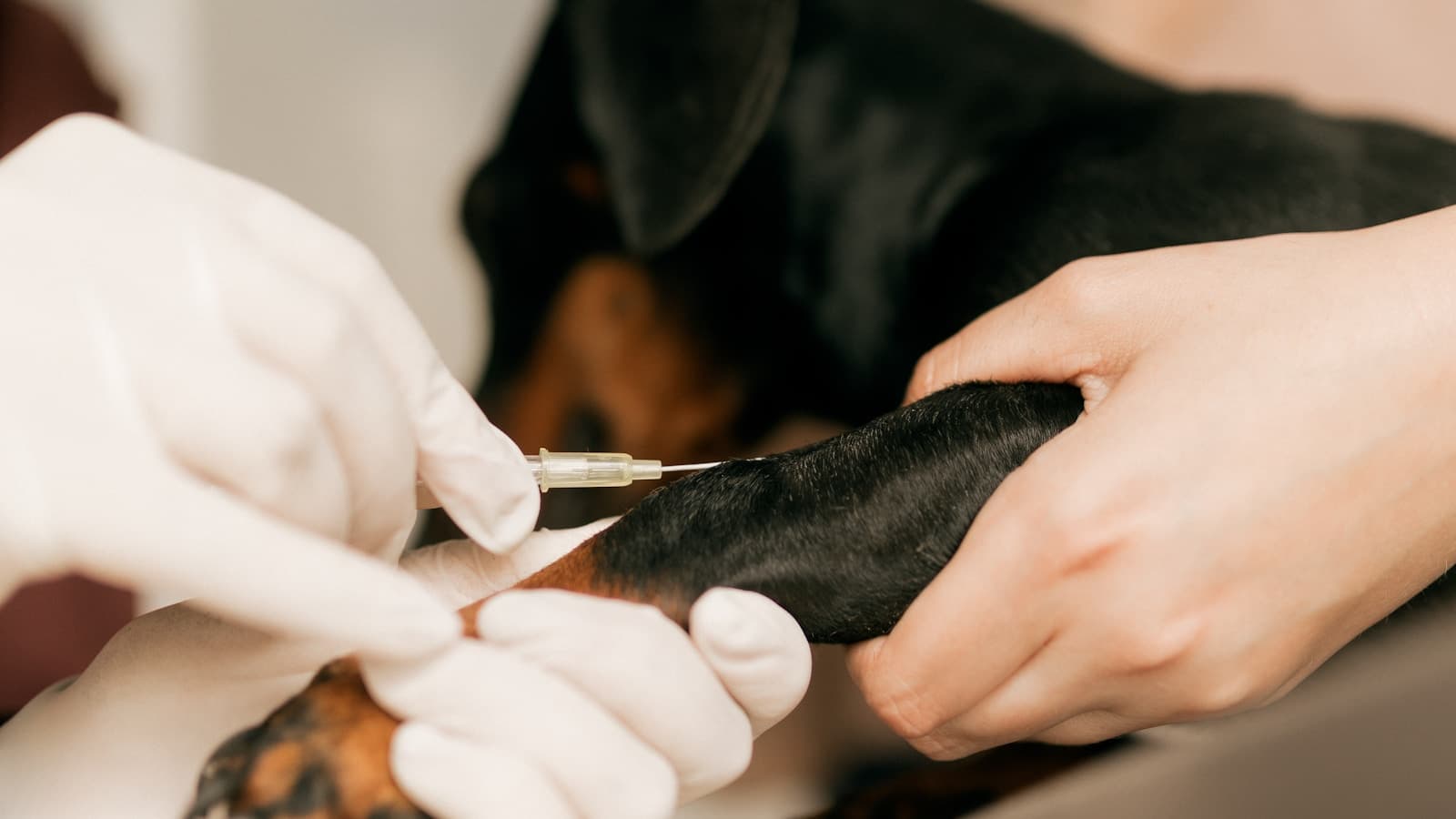
Premiums run higher for dogs than cats, mostly because dogs file more claims on average, and they climb a little every year a pet ages, since older animals statistically need more veterinary care. Breed matters too: insurers price in the hereditary conditions common to a given breed before a single symptom ever shows up. The premium you enter here gets weighed against your income and any existing debt, the same as any other recurring bill.
These key factors affect pet insurance affordability
Species, breed, and age
Dog premiums typically run higher than cat premiums, largely because dogs file more claims on average. Breeds prone to hereditary conditions, bulldogs' breathing issues or German shepherds' hip dysplasia are common examples, cost more to insure than a mixed breed with no known predisposition, and premiums climb again each year simply because a pet is a year older and statistically more likely to need care.
Reimbursement rate, annual limit, and waiting periods
Plans commonly offer 70%, 80%, or 90% reimbursement after the deductible, paired with an annual payout cap that ranges from around $5,000 to unlimited, and dropping either number lowers the premium noticeably. Coverage also doesn't start the day you sign up: most insurers apply a short waiting period, often just a couple of days for accidents but two to four weeks for illness, and a longer one, sometimes six months, for orthopedic conditions like cruciate ligament tears unless a vet exam clears the joint first.
Accident-only vs. comprehensive vs. wellness add-ons
Accident-only plans, which cover injuries but not illnesses, cost roughly half of accident-and-illness plans. Optional wellness riders that reimburse routine checkups and vaccines add a flat monthly fee, but run the math before adding one, they often cost more over a year than the routine care they cover. And whichever plan you pick, any condition your pet already shows signs of before the policy starts is treated as pre-existing and excluded permanently, so timing the purchase while a pet is young and healthy matters as much as which plan you choose.
How to use your results
- Compare an accident-only plan against a full accident-and-illness plan to see the premium difference.
- Try a higher deductible or lower reimbursement rate to see how much it brings the monthly cost down.
- Factor in your pet's breed and age, since premiums typically rise at each renewal.
Ways to make pet insurance more affordable
- Choose accident-only coverage for an older pet instead of paying for comprehensive illness coverage.
- Pick a higher deductible, such as $500 to $1,000, to lower the monthly premium.
- Enroll while your pet is young and healthy to lock in a lower rate before any conditions are excluded as pre-existing.
- Skip the wellness add-on and instead budget separately for routine vet visits, which it rarely pays for in full.
More everyday services calculators
Peer comparison data
Bureau of Labor Statistics (median income by age), Experian (credit score by age)
Used by the “how you compare” figures in the sidebar, not by the costs on this page.
Every figure on this site, with its source and the date it was last verified
How you compare
Income
Credit score
Nothing added yet - add something to see your risk.