Want the occasional useful email?
New calculators, updated cost data, and the occasional money-saving guide. No account needed, and you can leave any time.
By Alex Diaz · How we calculate this
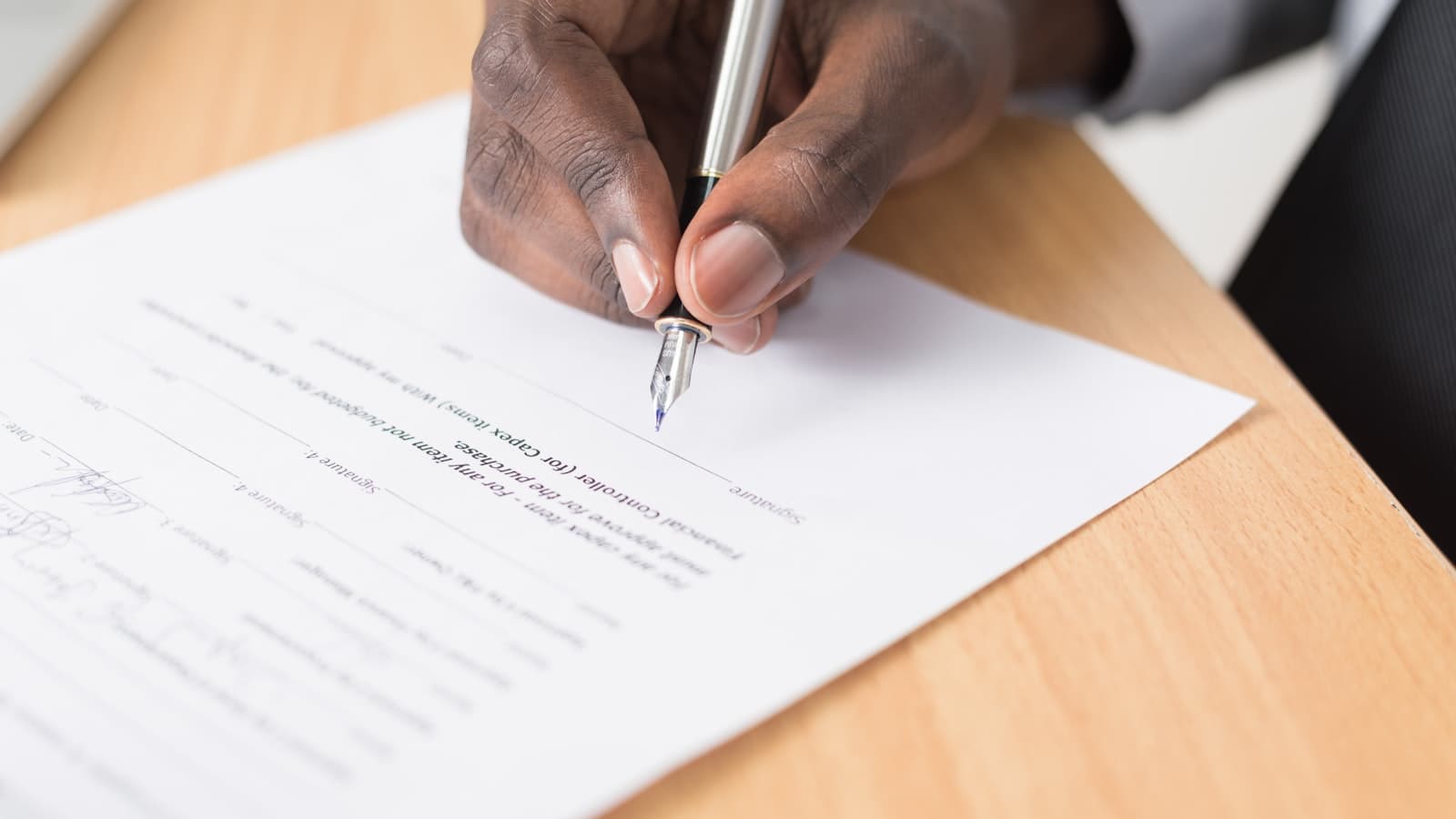
Closing costs on a home purchase typically run 2% to 5% of the loan amount, covering lender fees, title insurance, appraisal, and prepaid taxes or insurance. Because this cash is due at the closing table on top of your down payment, your estimate weighs the total amount against roughly three months of your budget rather than a single month's income.
These key factors affect closing cost affordability
Income and expenses
Closing costs land as a lump sum at the closing table on top of the down payment. It's really a question of what's left after your regular bills and any debt you're carrying, not the closing cost number by itself.
What closing costs typically include
The bundle usually covers lender origination fees, title insurance, an appraisal, escrow setup, recording fees, and prepaid property taxes or homeowners insurance. In many states a transfer tax gets added on top, paid by either the buyer or the seller depending on local custom. All told it commonly runs a meaningful percentage of the purchase price, which is why a real loan estimate from your lender beats a rough guess.
Escrow reserves
Beyond the fees themselves, lenders typically require you to fund the escrow account upfront with a cushion, often a couple months' worth of property taxes and homeowners insurance held in reserve. That reserve requirement is part of why the cash due at closing can run higher than the fee line items alone would suggest.
Who's paying
Sellers sometimes agree to cover part of the buyer's closing costs as a negotiating point, more often in a slower market where they have extra incentive to make a deal work. It's one more thing to put on the table with your agent rather than assuming you'll cover the full amount solo.
How to use your results
- Get a loan estimate from your lender for real closing cost numbers rather than a rough guess.
- Ask about seller-paid closing costs as part of your offer negotiation.
- Include your existing debt for a realistic picture of what's actually left to spend.
Ways to make closing costs more affordable
- Shop lenders, since fees for the same loan can vary meaningfully between them.
- Negotiate seller-paid closing costs as part of your offer, especially in a slower market.
- Ask about a no-closing-cost loan option, understanding it usually means a higher rate instead.
- Time your closing near the end of the month to reduce prepaid interest due at closing.
More housing calculators
Peer comparison data
Bureau of Labor Statistics (median income by age), Experian (credit score by age)
Used by the “how you compare” figures in the sidebar, not by the costs on this page.
Every figure on this site, with its source and the date it was last verified
How you compare
Income
Credit score
Nothing added yet - add something to see your risk.