Want the occasional useful email?
New calculators, updated cost data, and the occasional money-saving guide. No account needed, and you can leave any time.
By Alex Diaz · How we calculate this
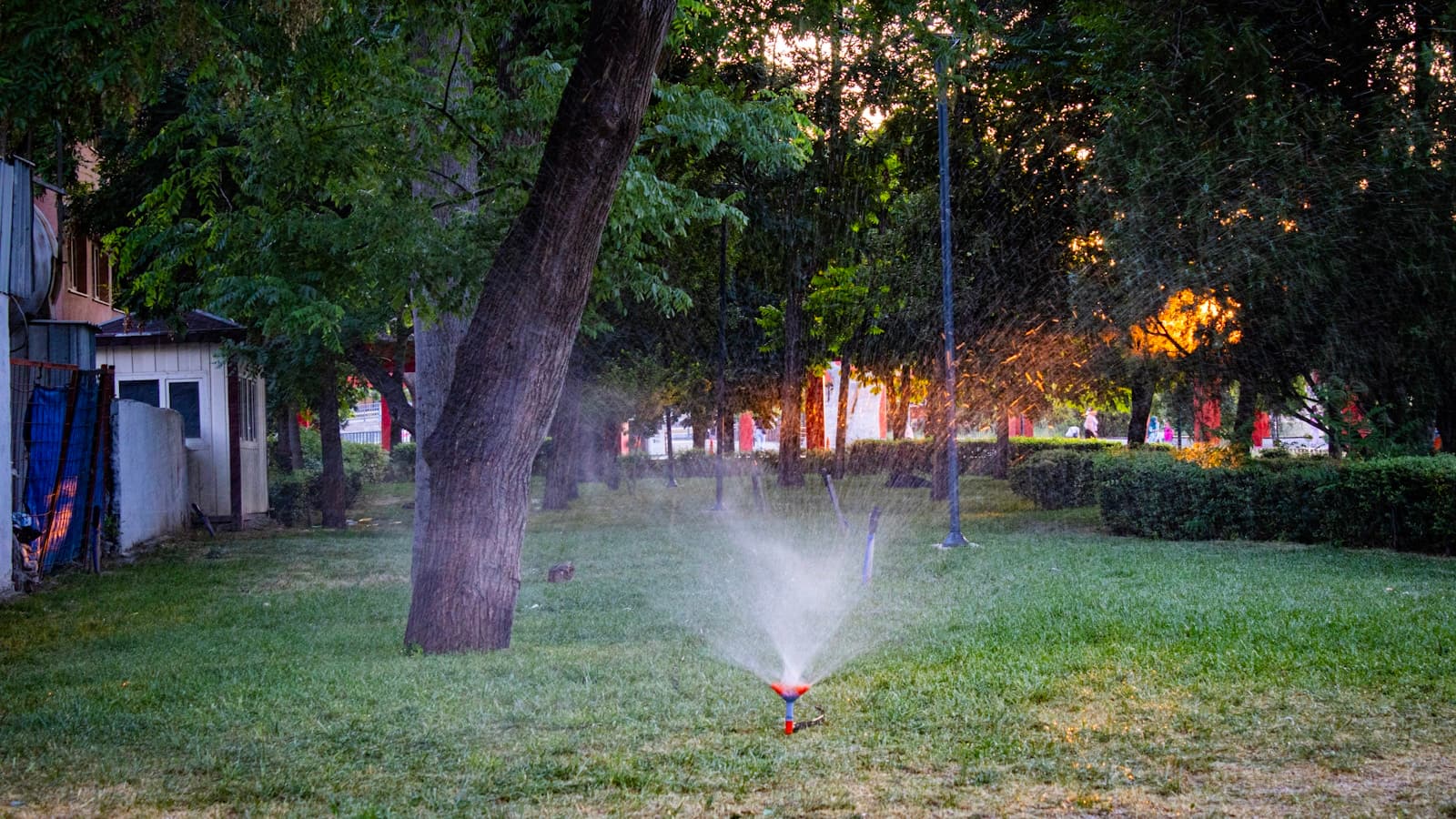
A DIY drip or hose-end system you piece together yourself might run $50 to $300 in parts, while a professionally installed in-ground system with buried piping and multiple zones typically lands between $1,500 and $4,000 for an average quarter-acre lot. That's a wide enough gap that the two aren't really the same purchase. Since installation is a one-time cost, this calculator weighs the total against roughly three months of your budget rather than a single month's income.
These key factors affect sprinkler system affordability
Lawn size and zone count
Professionally installed in-ground systems run $0.50 to $1.50 per square foot once trenching, piping, valves, and a controller are included, which puts an average quarter-acre yard split into four to six zones at roughly $1,500 to $4,000 installed. A DIY hose-end or drip setup skips almost all of that labor and can be pieced together for well under $300, though it won't water a lawn as evenly or survive a hard freeze the way buried lines do. Bigger or oddly shaped lots need more zones and longer runs, and cost climbs pretty much in step with square footage either way.
Backflow prevention and permits
Tie a system into the municipal water supply and most cities require a backflow preventer - a small device that keeps irrigation water from siphoning back into the drinking supply - along with a permit before anyone can dig. Expect $150 to $500 for the device and its installation, and in many areas an annual testing fee on top of that once it's in the ground. Skip this where it's required and the risk isn't just a fine; some utilities will shut off irrigation service entirely until an inspection clears.
Water bills and winterizing
Running the system costs real money too. Summer irrigation can add a noticeable amount to a water bill, so it's worth checking your municipality's summer rate tiers before treating this as a one-time expense. Anywhere winters dip below freezing, the lines also need to be blown out with compressed air each fall before standing water can freeze and crack a pipe or valve. A contractor typically charges $50 to $150 for that service, and skipping it even once tends to turn into a much pricier repair come spring.
How to use your results
- A low risk score means you can likely afford extra zones or a smart controller upfront rather than adding them later.
- Remember this purchase also raises your monthly water bill during the growing season, so budget for that separately.
- Check whether your water utility requires a permit or backflow inspection before installation, since that can add time and cost.
Ways to make a sprinkler system more affordable
- Zone only the areas that actually need consistent watering, like the front lawn, and skip low-priority beds or side yards.
- Install a basic timer now and upgrade to a smart controller later once the core system is in and working.
- Get quotes from at least two irrigation contractors, since pricing per zone varies more than most homeowners expect.
- Ask about off-season installation discounts, since demand for irrigation work drops sharply outside of spring.
More home improvement calculators
Peer comparison data
Bureau of Labor Statistics (median income by age), Experian (credit score by age)
Used by the “how you compare” figures in the sidebar, not by the costs on this page.
Every figure on this site, with its source and the date it was last verified
How you compare
Income
Credit score
Nothing added yet - add something to see your risk.