Want the occasional useful email?
New calculators, updated cost data, and the occasional money-saving guide. No account needed, and you can leave any time.
By Alex Diaz · How we calculate this
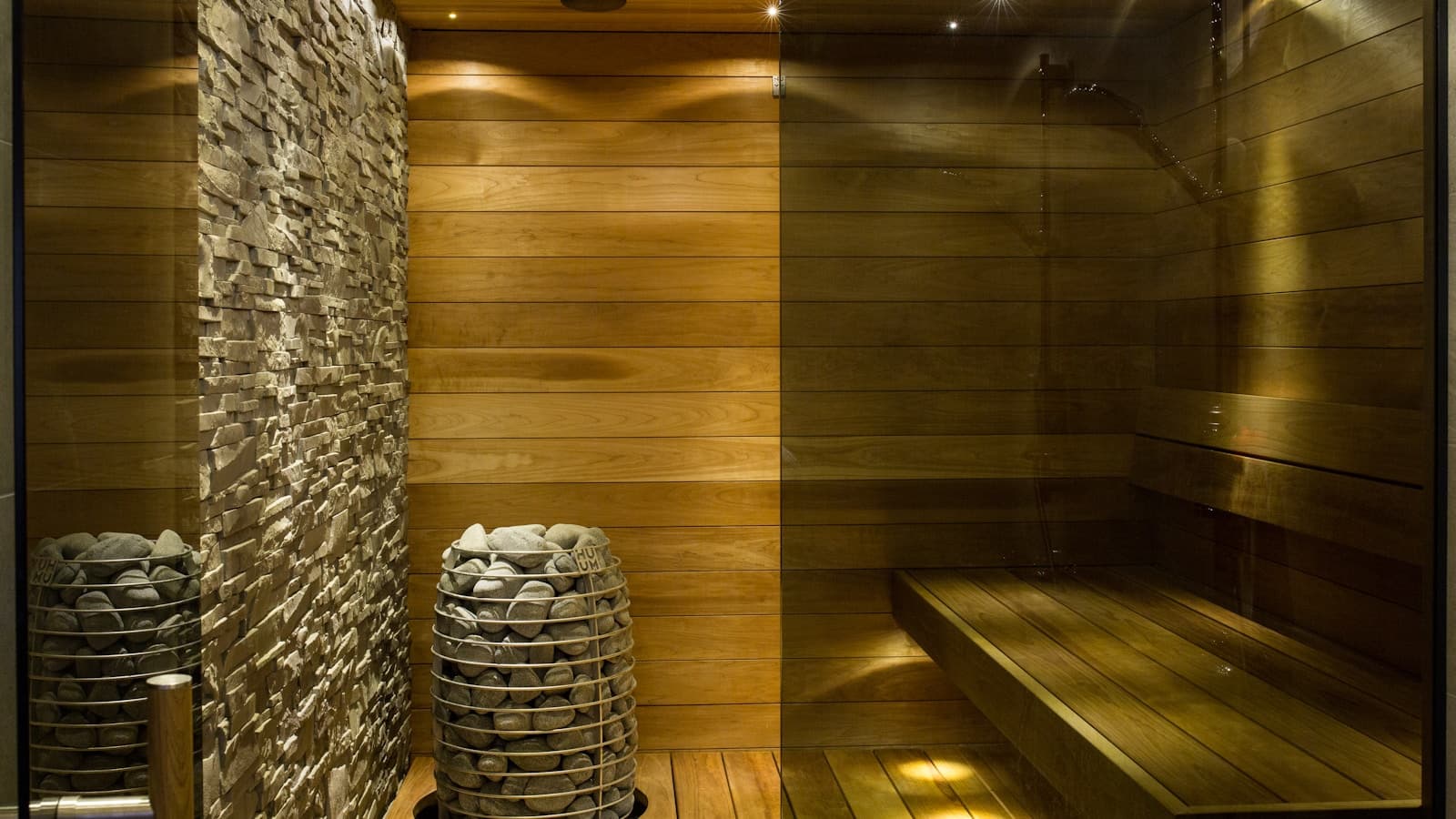
Prefab infrared cabins start around $2,000 and top out near $5,000 fully assembled, while a traditional cedar sauna with a real heater, benches, and ventilation, especially one built into an existing room, typically runs $5,000 to $10,000 or more. It's spent once rather than billed monthly, so it makes more sense measured against a season of savings than a single paycheck.
These key factors affect home sauna affordability
Traditional vs. infrared
Infrared kits ship flat-packed and mostly bolt together over a weekend, which is a big part of why they're cheaper: $2,000 to $5,000 covers the cabin, heater panels, and controls. A traditional sauna, wood-fired or a built-in steam room with cedar benches and real ventilation, is closer to a small construction project, and that pushes the total to $5,000-$10,000 or beyond once labor gets added in.
Electrical capacity
Higher-wattage heaters need a dedicated 240V circuit rather than a standard household outlet. An electrician can often add that circuit in an afternoon if the panel has room. If it doesn't, a panel upgrade adds $1,000 to $3,000 before the sauna itself is even installed.
Ongoing electricity cost
Electric heaters draw 6 to 8 kW while running, and using one three or four times a week adds a noticeable line to the power bill that's easy to forget when pricing out the sauna itself.
How to use your results
- Check whether your home's electrical panel can support the sauna's circuit before committing to a price, since a panel upgrade can add significantly to the total.
- If the price is a stretch, consider a smaller two-person infrared unit instead of a full-size traditional sauna, since the difference can be several thousand dollars.
- Factor in the ongoing electricity cost of regular use, not just the purchase price, when deciding if this also fits your monthly budget.
Ways to make a home sauna more affordable
- Choose a prefab infrared kit over a custom-built traditional sauna, since kits avoid most of the carpentry and ventilation labor costs.
- Check your panel capacity before buying, since confirming you don't need an electrical upgrade can save over a thousand dollars.
- Consider a smaller two- or three-person size if it's mainly for personal use rather than entertaining, which cuts both materials and installation cost.
- Look for off-season sales from sauna retailers, since demand and pricing often dip outside of fall and winter.
More home improvement calculators
Peer comparison data
Bureau of Labor Statistics (median income by age), Experian (credit score by age)
Used by the “how you compare” figures in the sidebar, not by the costs on this page.
Every figure on this site, with its source and the date it was last verified
How you compare
Income
Credit score
Nothing added yet - add something to see your risk.