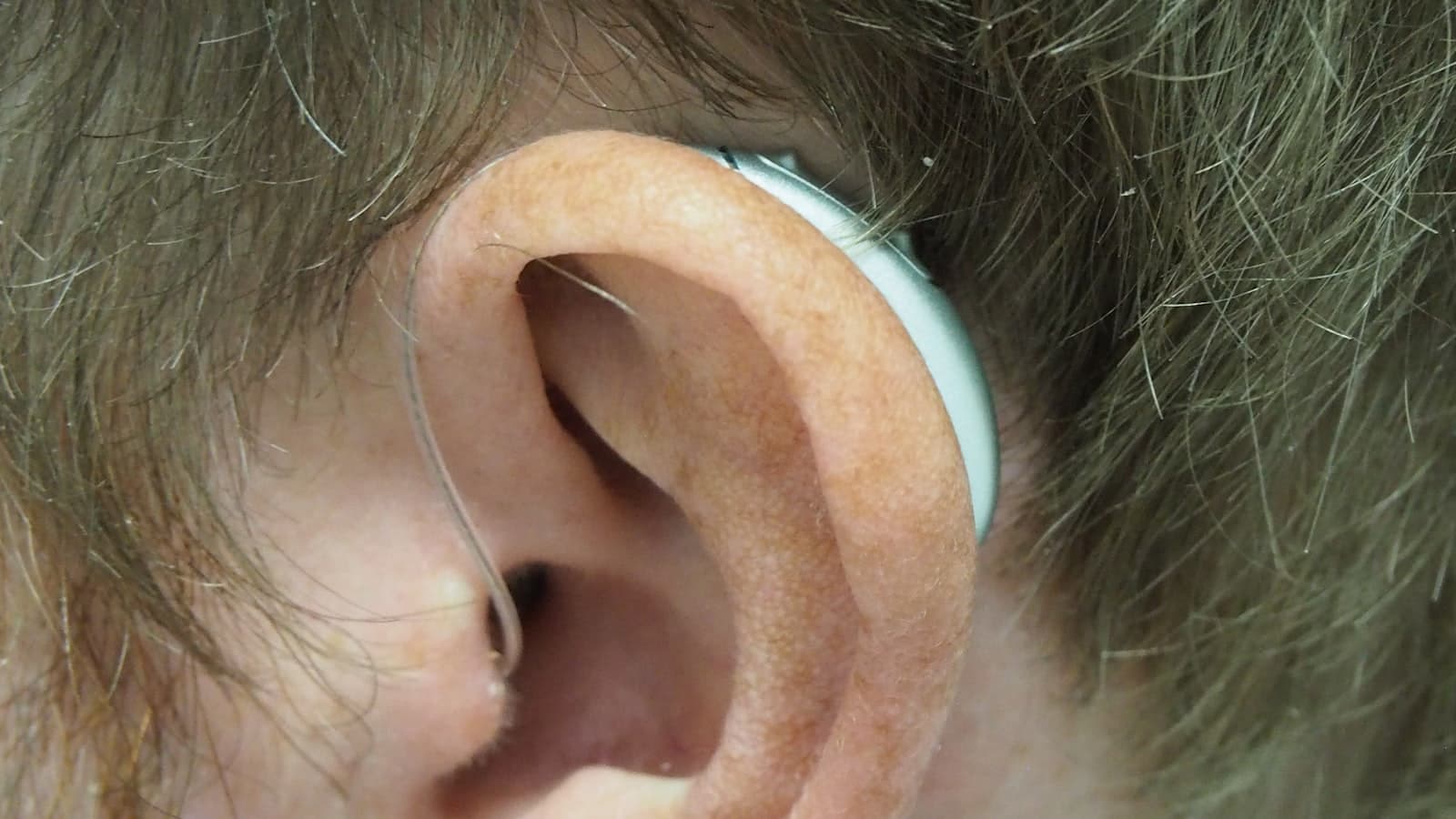
Hearing aids are usually a one-time purchase rather than a recurring bill, though the price range is wide: a basic pair can run under $1,000 while premium devices with noise cancellation and Bluetooth streaming often cost $4,000 to $6,000 or more for the pair. Because it's a lump sum rather than a monthly payment, this estimate weighs the total you enter against your income, savings, and any existing debt to gauge how big a stretch it would be.
These key factors affect hearing aid affordability
Income and expenses
Hearing aids are usually a planned purchase rather than an urgent one, so most people have some room to time it around their finances and save toward it rather than needing to finance the full amount right away. That's why the estimate looks at savings and existing debt alongside income, instead of income by itself.
Cost by technology tier
Entry-level devices with basic amplification cost meaningfully less than premium hearing aids with directional microphones, noise cancellation, rechargeable batteries, and Bluetooth streaming to a phone. It's worth being specific about which features you'd actually use day to day, since a provider will sometimes default to recommending the newest tier rather than the one that fits your hearing loss and your budget.
Over-the-counter versus prescription devices
Since October 2022, the FDA has allowed over-the-counter hearing aids for adults with mild to moderate hearing loss, sold without a prescription, a hearing test, or a fitting appointment, often for a few hundred dollars a pair. That's a real option worth pricing out for milder hearing loss, though anyone with more significant loss, or any uncertainty about the type of loss they have, is generally better off starting with an audiologist's evaluation before buying anything.
Insurance and coverage
Original Medicare typically doesn't cover hearing aids or the exams to fit them, though a growing number of Medicare Advantage plans, some private insurance policies, and a handful of state programs offer partial coverage. It's worth calling your specific plan rather than assuming either way, since coverage varies a lot even among Medicare Advantage plans that advertise a hearing benefit.
Ongoing costs
Batteries, cleaning supplies, and periodic in-office adjustments are small but recurring costs after the purchase itself, and most hearing aids are replaced every three to seven years as the hardware wears out or hearing needs change. It's worth thinking of this as a cost that recurs on a long cycle rather than something you buy once and never revisit.
How to use your results
Try a couple of scenarios rather than a single quote:
- The cost with and without any insurance coverage applied.
- A basic model's price against a premium one, if extra features matter less to you.
- Alongside your existing debt, for a realistic sense of what it would actually cost you to take on.
Ways to lower the cost of a hearing aid
- Check your specific insurance plan and any state assistance programs before assuming no coverage exists.
- Compare audiologist clinics against retail and online options, since bundled services affect the total price.
- Ask whether a lower tier of device would meet your actual needs before paying for premium features.
- Look into financing or payment plans if the full amount would strain your savings.
More health & personal care calculators
Sources
Bureau of Labor Statistics (median income by age, shown in the sidebar), Experian (credit score by age, shown in the sidebar) - starting points to compare against, not real-time quotes.
Nothing added yet - add something to see your risk.