Want the occasional useful email?
New calculators, updated cost data, and the occasional money-saving guide. No account needed, and you can leave any time.
By Alex Diaz · How we calculate this
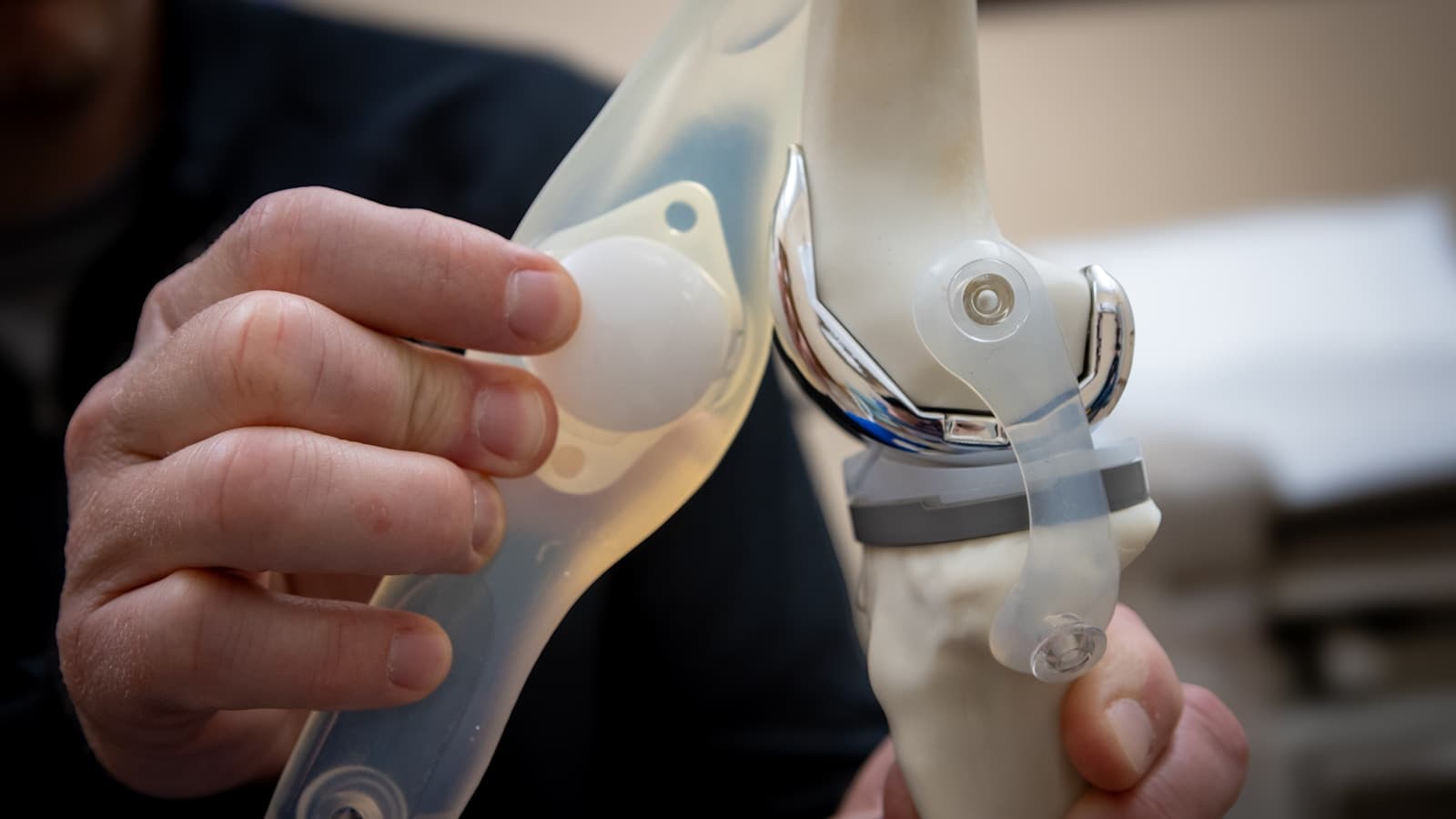
Knee replacement is covered by most insurance plans, including Medicare, once it's documented as medically necessary, and where you have it done matters almost as much as whether you have it done: choosing an outpatient surgical center over an inpatient hospital stay can lower the total by tens of thousands of dollars for the same procedure. Because this is a one-time medical expense rather than a recurring bill, the estimate below weighs the total cost you enter against roughly three months of your budget, which tracks closer to how an expense like this actually gets absorbed than comparing it to a single month's income would.
These key factors affect knee replacement affordability
Insurance generally covers it when medically necessary
Knee replacement is standard treatment for advanced joint damage, and once it's documented as medically necessary, most insurance plans cover it, Medicare included. What actually lands on your bill, though, depends far more on your deductible, coinsurance percentage, and how close you already are to your annual out-of-pocket maximum than on the hospital's sticker price, and if you've had other medical expenses earlier in the year, the surgery itself can end up costing less than people expect.
Facility choice can swing the price significantly
Facility choice is one of the biggest levers on the final bill: the same knee replacement can run tens of thousands of dollars less at an outpatient surgical center than at an inpatient hospital, mostly because overnight room charges and facility fees disappear. That option became far more common after Medicare removed total knee replacement from its inpatient-only list in 2018, which opened the door for more patients to have the surgery done as outpatient care where it's clinically appropriate. A partial knee replacement, when that's an option, also tends to cost less than a full one.
Rehab is a significant part of the total cost
Rehab is where knee replacement really diverges from hip surgery: expect a longer stretch of physical therapy, often 3 to 6 months of regular sessions, plus a walker or cane for the first few weeks while the joint adjusts. If your job is physically demanding, plan on being away from it for 6 to 12 weeks, and weigh that lost income alongside the medical bills themselves, since for many people it ends up the bigger practical hit.
How to use your results
- Confirm your deductible and out-of-pocket maximum status with your insurer, since that determines your real cost more than the hospital's list price
- Ask whether outpatient surgery is an option for your case, since it can meaningfully lower the total compared to an inpatient stay
- Include the cost of several months of follow-up physical therapy in your planning, not just the surgery itself
- If the result shows high risk, ask the hospital billing office about payment plans or financial assistance before assuming you need outside financing
Ways to make a knee replacement more affordable
- Verify every provider involved, including the anesthesiologist, is in-network to avoid surprise balance bills
- Ask your surgeon whether an outpatient surgical center is appropriate for your case, since it's often significantly cheaper than a hospital stay
- Apply for hospital charity care or financial assistance if you qualify by income, since many hospitals are required to offer reduced-cost care
- Schedule the surgery for later in the year if you've already met your deductible from other medical expenses, so you're not paying it twice
More health & personal care calculators
Peer comparison data
Bureau of Labor Statistics (median income by age), Experian (credit score by age)
Used by the “how you compare” figures in the sidebar, not by the costs on this page.
Every figure on this site, with its source and the date it was last verified
How you compare
Income
Credit score
Nothing added yet - add something to see your risk.