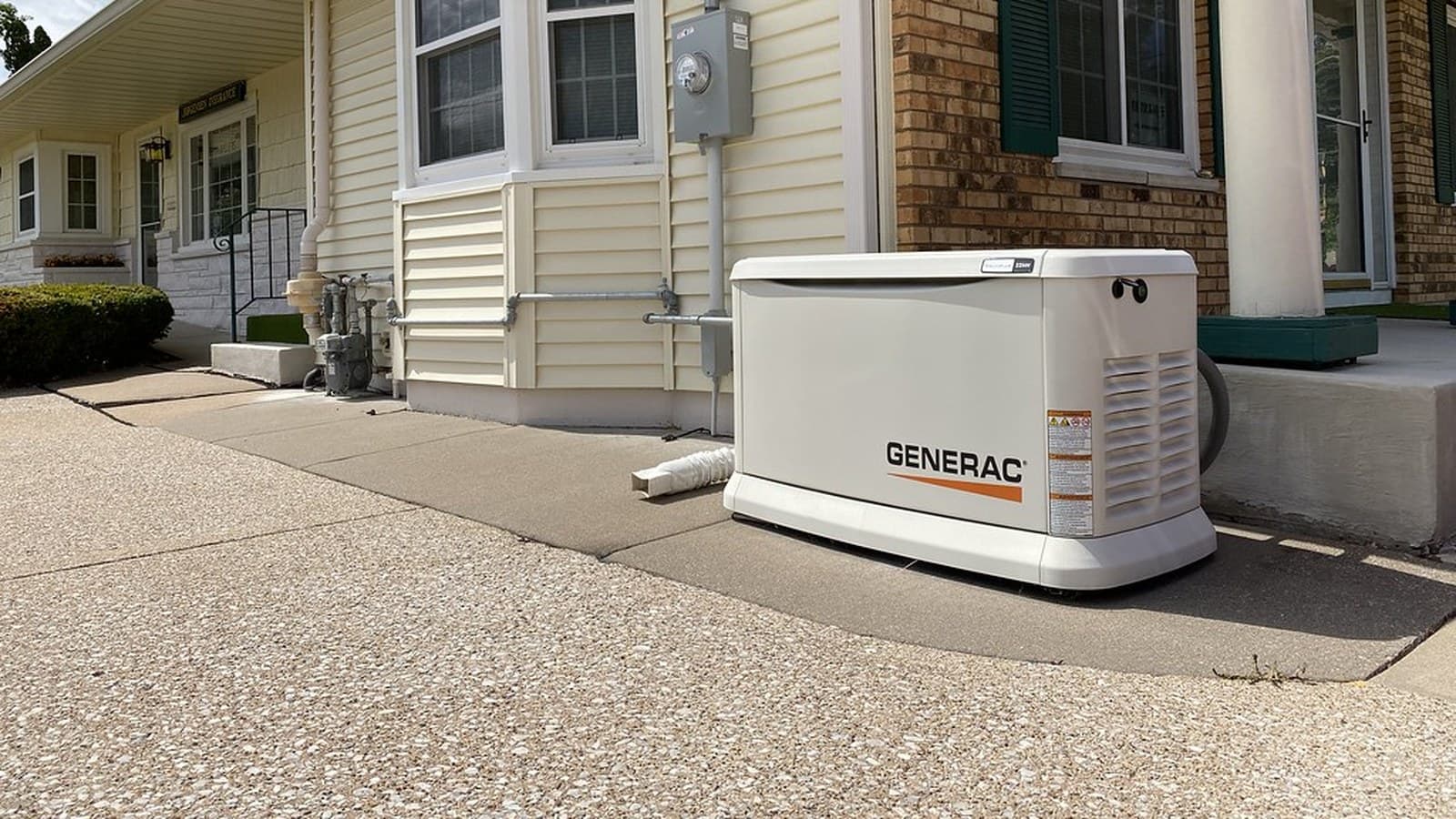
A generator is usually a reaction to a bad outage rather than a leisurely purchase, and the price range reflects that: a few hundred dollars for a basic portable model, well over ten thousand for a fully installed whole-house standby unit. Because it's a one-time expense rather than a bill you'll pay every month, this calculator checks the total against roughly three months of your budget instead of a single paycheck - a way to flag whether it's a stretch worth planning for, not a verdict on whether you should buy one.
These key factors affect generator affordability
Income and expenses
What actually matters isn't your paycheck by itself, it's what's left once rent or the mortgage, debt payments, and everything else is already accounted for. A generator sitting on top of a tight monthly budget reads very differently than the same price tag against one with room to spare, which is why the total gets weighed against your full financial picture rather than the sticker price alone.
Portable vs. standby
Portable units are the cheaper entry point, often a few hundred dollars up to around $1,500, but they only run what you plug into them (or wire through a manual transfer switch), and someone has to physically set them up once the power goes out.
A standby generator flips that trade. Installed cost typically lands somewhere between $5,000 and $15,000, largely because it runs on your home's natural gas or propane line and needs a licensed electrician to wire in an automatic transfer switch, plus a permit and inspection in most areas. What you're really paying extra for is that it starts itself within seconds, whether or not anyone's home to do it manually.
Sizing
Buying more capacity than you'll ever use adds cost without adding much protection, while undersizing means the fridge runs but the well pump or HVAC doesn't. Portable units usually fall in the 3,000- to 10,000-watt range, and whole-house standby models are commonly sized between 14 and 22 kilowatts, but most households don't need to power literally everything, just the circuits that matter during a multi-day outage. Sizing to that shorter list rather than the full panel is usually where the real savings sit.
How to use your results
- Price both a portable and standby option for your situation before deciding.
- Factor in installation cost separately if you're considering a standby unit.
- Include your existing debt for a realistic picture of what's actually left to spend.
Ways to lower the cost of a generator
- Size it to your essential circuits rather than the whole house, if a portable unit would cover your real needs.
- Get multiple installer quotes for a standby unit, since installation cost varies a lot.
- Check whether your utility or local government offers any rebate for backup power systems.
More home improvement calculators
Sources
Bureau of Labor Statistics (median income by age, shown in the sidebar), Experian (credit score by age, shown in the sidebar) - starting points to compare against, not real-time quotes.
Nothing added yet - add something to see your risk.